Shahi Paneer Recipe (Authentic Indian Paneer in Creamy Cashew Gravy)
The word shahi means royal in Hindi and Urdu, and it is a name that Shahi Paneer earns completely. This is not an everyday curry. This is the dish that was served at the tables of Mughal emperors, refined over generations in the royal kitchens of Delhi and Lucknow, and passed down through the centuries until it arrived in Indian restaurants around the world where it consistently earns its place as the most luxurious vegetarian dish on the menu. One taste of the gravy, with its extraordinary depth built from cashews, cream, cardamom, saffron, and the natural sweetness of caramelized onions, tells you immediately that this is something entirely different from everyday Indian cooking.
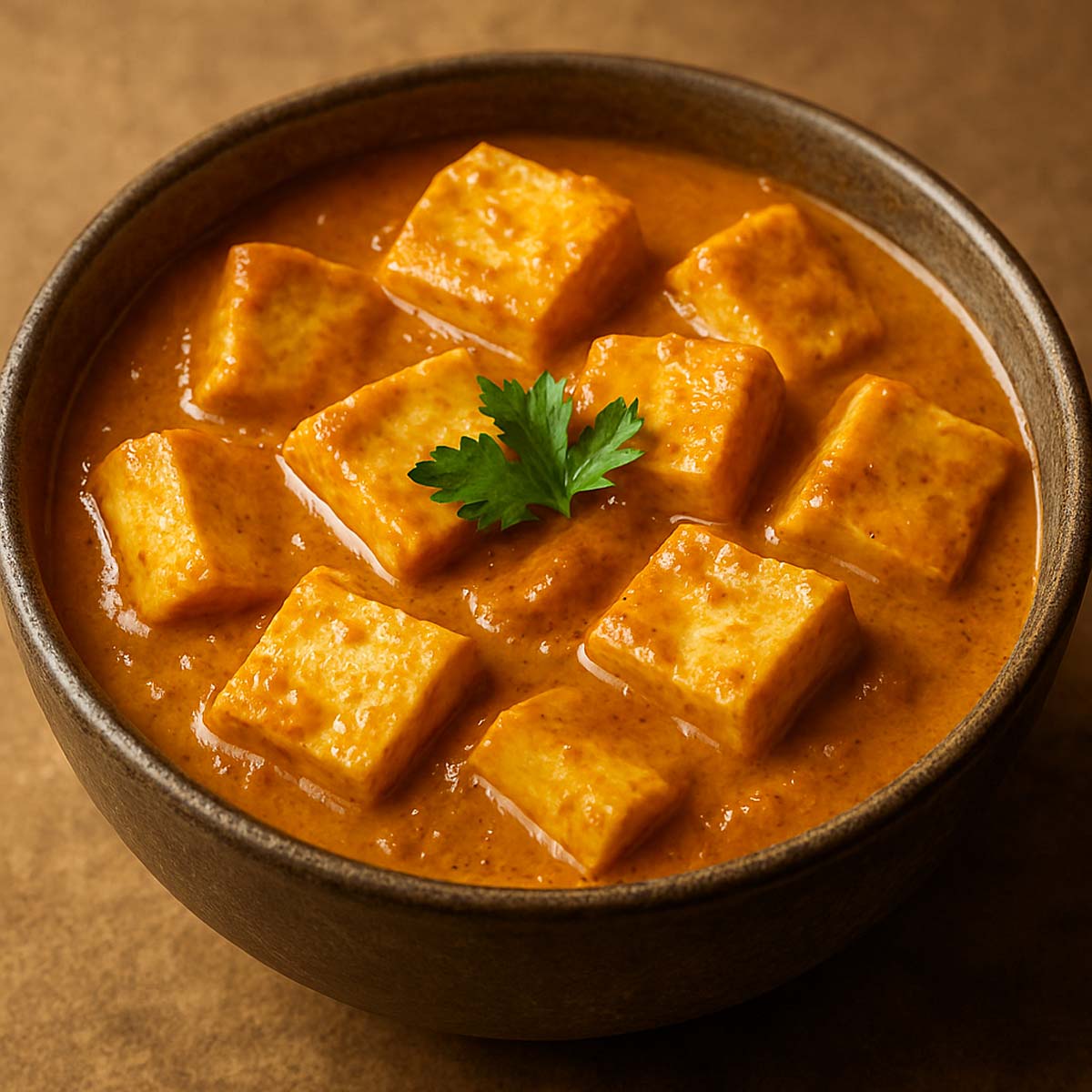
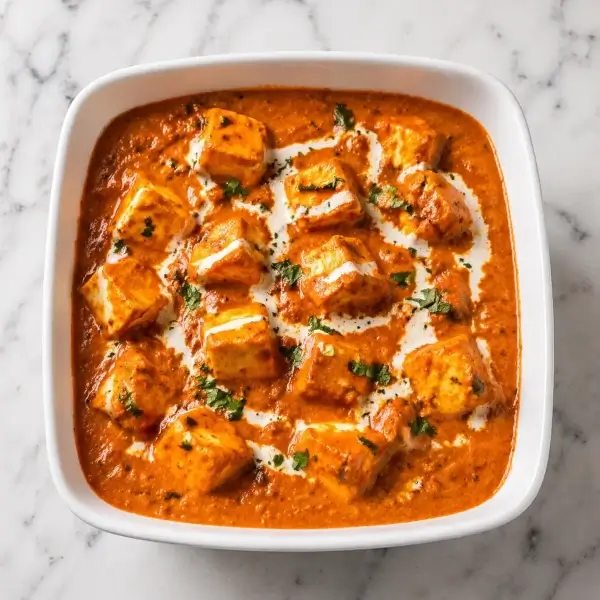
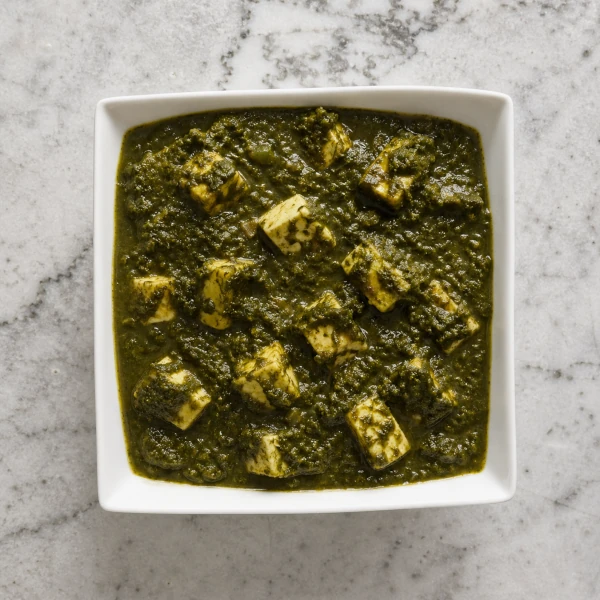
What makes Shahi Paneer distinct from other paneer curries like Palak Paneer or Matar Paneer is the character of its gravy. While most paneer curries are built on a tomato-onion base that produces a tangy, spiced result, the Shahi gravy begins with a cashew-onion paste cooked in ghee with whole aromatic spices, enriched with cream and yogurt, and finished with saffron and kewra water for a perfume and flavor that is genuinely royal in character. The result is pale golden, intensely aromatic, sweet and rich but never cloying, with a creaminess that clings to every piece of paneer.
This recipe is the authentic North Indian restaurant style Shahi Paneer, written for home cooks. You can serve with naan, paratha, or jeera rice for a meal that feels genuinely special.
Why You Will Love This Shahi Paneer Recipe
- The most luxurious paneer dish in Indian cooking: If you want to impress guests with an Indian vegetarian dish that feels truly extraordinary, Shahi Paneer is the answer. The gravy alone is worth making.
- Completely different from other paneer curries: If you have only ever had Palak Paneer or Paneer Butter Masala, Shahi Paneer will genuinely surprise you. The Mughlai flavor profile is in a category of its own.
- Ready in 35 minutes: Despite the royal reputation and complex flavor, this recipe is very manageable for a home cook and does not require hours of work.
- Naturally gluten-free and vegetarian: Shahi Paneer requires no modifications for gluten-free or vegetarian diets. For a vegan version, see the variation notes below.
- Exceptional protein content: Paneer is one of the highest-protein foods in Indian cooking. With cashews and yogurt also present in the gravy, each serving delivers significant protein alongside the extraordinary flavor.
- A gateway to Mughlai cooking: Learning Shahi Paneer opens the door to understanding the Mughal culinary tradition, which gave India some of its most beloved dishes from biryani to korma to rogan josh.
The Mughlai Origin of Shahi Paneer
Shahi Paneer is rooted in the Mughlai culinary tradition, the cooking style that developed in the royal courts of the Mughal Empire across India between the 16th and 19th centuries. Mughal cooking was characterized by the lavish use of nuts (particularly cashews, almonds, and pistachios), aromatic whole spices, saffron imported from Kashmir, dairy in multiple forms including cream, yogurt, ghee, and khoya, and a technique of building intensely layered flavor through slow, patient cooking. The Mughals were not Indian by origin but Turkic-Mongol, and their cooking style blended Central Asian cooking traditions with the spices and ingredients of the Indian subcontinent. The result was a cuisine of extraordinary refinement that influenced North Indian cooking profoundly. Dishes like Shahi Paneer, Navratan Korma, Malai Kofta, and Rogan Josh all carry this heritage.
Shahi Paneer vs Paneer Butter Masala: What Is the Difference?
This is the most frequently confused pairing in Indian vegetarian cooking, and the difference is significant. Paneer Butter Masala has a tomato-forward, slightly tangy red-orange gravy enriched with butter and cream. It is a modern dish that developed alongside Butter Chicken in Delhi’s restaurants in the mid-20th century. Shahi Paneer has a very different character: the gravy is cream and cashew-based with a golden or pale ivory color, minimal tomato (some versions use none), a pronounced aromatic quality from whole spices, saffron, and kewra water, and a sweetness that is noticeably more prominent. Paneer Butter Masala is bold and comforting. Shahi Paneer is refined and royal. For the Butter Masala version, visit our Paneer Butter Masala recipe.
Ingredients for Shahi Paneer (with Metric Measurements)
All measurements are given in US cups and spoons with metric equivalents in brackets for international readers.
For the Paneer
- 14 oz (400g) paneer: Cut into 1-inch cubes. Available at Indian grocery stores, Whole Foods, and increasingly at regular supermarkets. Or use our homemade paneer recipe for the freshest result.
- 2 tablespoons ghee or neutral oil: For pan-frying the paneer.
For the Cashew-Onion Paste
- 1 large white onion: Roughly chopped.
- 20 raw cashews: Soaked in warm water for 20 minutes, then drained. Available at any supermarket.
- 8 blanched almonds: Optional but adds body and a slightly different nutty dimension. Also soak for 20 minutes.
- 2 tablespoons melon seeds (magaz) or white poppy seeds: Optional but adds a characteristic Mughlai creaminess. Available at Indian grocery stores. Skip if unavailable.
- Half cup (120ml) water: For blending.
For the Shahi Gravy
- 3 tablespoons ghee: Ghee is strongly preferred in this recipe over oil. The flavor of ghee is fundamental to the Mughlai character of Shahi Paneer. Available at Whole Foods, Trader Joe’s, Indian grocery stores, and Amazon.
- 1 tablespoon neutral oil: Combined with ghee to raise the smoke point.
- 4 green cardamom pods: Lightly crushed.
- 1 small cinnamon stick
- 4 cloves
- 1 bay leaf
- 1 black cardamom pod: Optional but adds a distinctive smoky depth. Available at Indian grocery stores.
- 5 garlic cloves: Minced or paste.
- 1-inch piece fresh ginger: Grated or paste.
- 1 medium tomato: Finely chopped. Some versions use no tomato at all for a purer ivory gravy. We use one for a subtle tartness that balances the richness.
- Half cup (120g) plain whole milk yogurt: Room temperature. Full-fat is important for richness and to prevent curdling.
- Half teaspoon turmeric powder
- Half teaspoon Kashmiri red chili powder: For a subtle warmth and gentle blush of color. Available at Indian grocery stores and Amazon.
- Half teaspoon white pepper powder: Characteristic Mughlai spice. Adds heat without darkening the pale golden gravy color.
- 1 teaspoon coriander powder
- Half teaspoon garam masala: Added as a finishing spice.
- Half teaspoon sugar: Balances the spices and adds authentic Mughlai sweetness.
- 1 teaspoon salt: Adjust to taste.
For Finishing
- Half cup (120ml) heavy cream: The more cream, the richer and paler the gravy. Use at least half a cup for authenticity.
- Quarter teaspoon saffron threads: Steeped in 2 tablespoons of warm milk for 10 minutes before adding. Available at most supermarkets in the spice aisle and at Indian grocery stores. Saffron is expensive but a small amount goes a very long way. It adds a distinctive golden color and a uniquely floral, honey-like aroma that is irreplaceable in this dish.
- Half teaspoon kewra water (screwpine essence): Optional but very characteristic of Mughlai cooking. Adds a distinctive floral, somewhat rose-like aroma. Available at Indian grocery stores. Substitute with a very small drop of rose water if unavailable.
- 1 tablespoon butter: Finishing butter for gloss and richness.
How to Make Shahi Paneer Step by Step
Step 1: Soak the Nuts
Place the cashews, almonds, and melon seeds or poppy seeds if using in a bowl of warm water. Soak for 20 minutes. This softens them so they blend to a completely smooth paste without leaving any gritty texture in the finished gravy. Drain and set aside. While the nuts soak, steep the saffron threads in 2 tablespoons of warm milk. Let this sit for at least 10 minutes to release the saffron color and aroma.
Step 2: Pan-Fry the Paneer
Heat 2 tablespoons of ghee in a wide non-stick pan over medium-high heat. Add the paneer cubes in a single layer. Fry for 1 to 2 minutes per side until golden on all sides. The paneer should develop a light golden crust while remaining soft inside. Remove from the pan and immediately place the fried paneer in a bowl of warm salted water. This restaurant technique keeps the paneer soft and prevents it from becoming chewy in the final dish. Set aside.
Step 3: Cook and Blend the Onion
In the same pan, add 1 tablespoon of ghee over medium heat. Add the chopped onion and cook for 10 to 12 minutes, stirring regularly, until very soft and translucent but not browned. The onion should be pale golden at most. Browning the onion too deeply will darken the gravy and shift the flavor away from the characteristic mellow sweetness of Shahi Paneer. Transfer the cooked onion to a blender along with the soaked drained nuts and half a cup of water. Blend on high speed for at least 2 minutes until completely smooth. This paste is the foundation of the Shahi gravy.
Step 4: Build the Shahi Base
Return the pan to medium heat and add 2 tablespoons of ghee and 1 tablespoon of oil. Add the whole spices including green cardamom, cinnamon, cloves, bay leaf, and black cardamom if using. Sizzle for 30 seconds until fragrant. Add the garlic and ginger and cook for 2 minutes. Add the chopped tomato and cook for 4 minutes until it softens slightly.
Step 5: Add the Cashew-Onion Paste
Reduce the heat to medium-low. Add the blended cashew-onion paste to the pan. Stir constantly as you add it since the paste can splatter. Cook the paste, stirring frequently, for 8 to 10 minutes over medium-low heat. The paste will change from pale white to a light golden color and the ghee will begin to appear at the edges of the pan. This is the most important step in the recipe. Cooking the paste thoroughly removes the raw nut and onion flavor and develops the deep, mellow, sweet base that defines authentic Shahi Paneer.
Step 6: Add the Spices and Yogurt
Add the turmeric, Kashmiri chili powder, white pepper, coriander powder, sugar, and salt. Stir into the paste and cook for 1 minute. Now add the yogurt, one tablespoon at a time, stirring constantly and quickly after each addition. This careful addition technique prevents the yogurt from curdling in the hot pan. After all the yogurt is incorporated, cook the mixture for 3 to 4 minutes, stirring frequently, until it thickens and the ghee separates slightly at the edges.
Step 7: Add Water and Simmer
Add half a cup to three-quarters cup (120 to 180ml) of warm water to achieve the desired gravy consistency. Stir well. Bring to a gentle simmer and cook for 5 minutes. The gravy will be fragrant, pale golden, and noticeably creamy even before the cream is added.
Step 8: Finish with Cream, Saffron, and Paneer
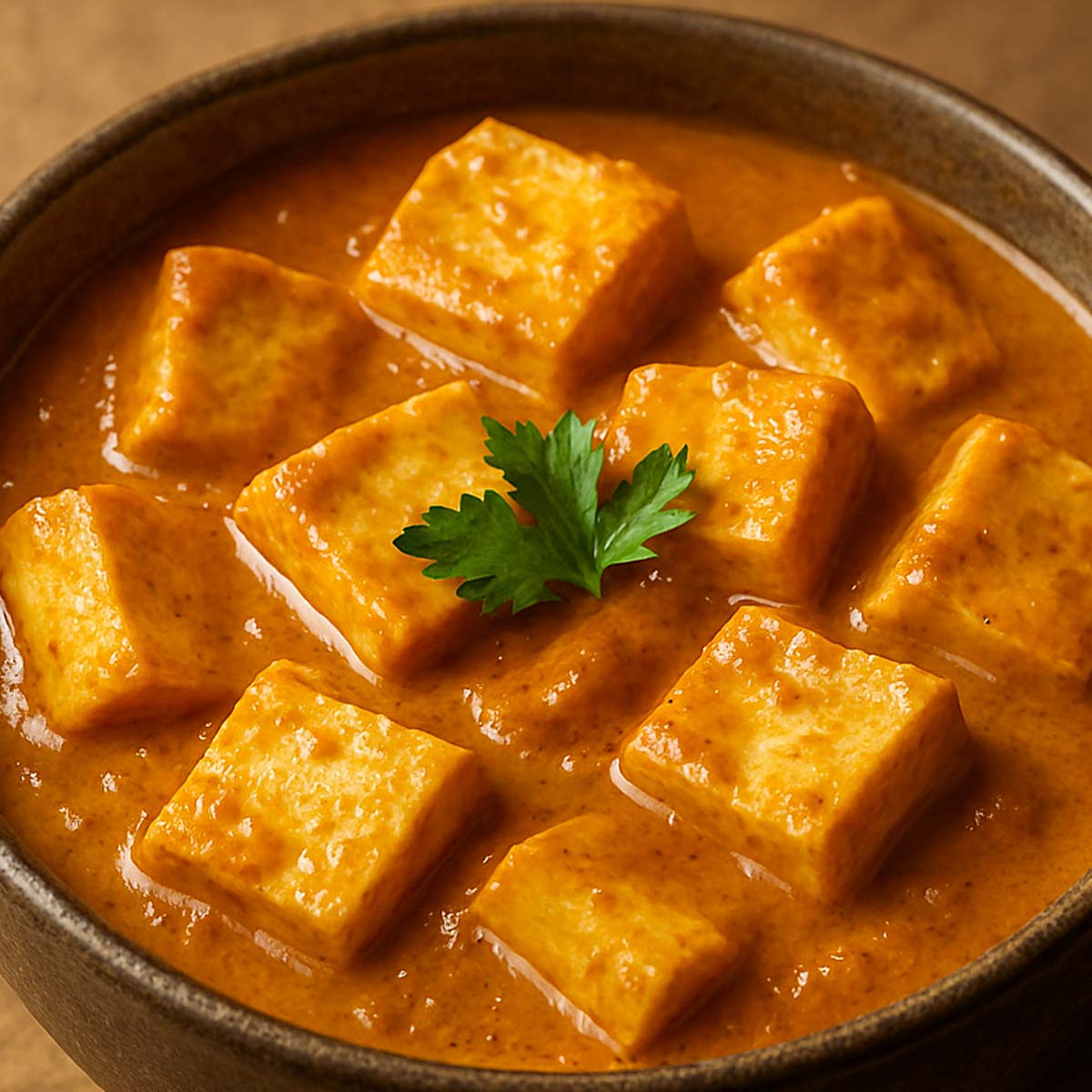
Reduce the heat to low. Drain the paneer from the warm water and add it to the gravy. Stir gently to coat the paneer without breaking the cubes. Add the heavy cream and stir to incorporate. Add the saffron-steeped milk, drizzling it over the gravy and stirring to distribute the golden color. Add the kewra water if using. Add the garam masala and finishing butter. Stir and simmer on the lowest heat for 3 minutes. The gravy should be pale golden, intensely fragrant, silky, and clinging beautifully to the paneer. Taste and adjust salt. Do not boil after adding cream.
Step 9: Serve
Transfer to a serving bowl. Drizzle a swirl of cream on top. Garnish with a few extra saffron threads and a sprinkle of crushed pistachios or silvered almonds for presentation. Serve hot with naan or paratha.
Pro Tips for the Best Shahi Paneer
- Do not brown the onion deeply: The characteristic pale golden color of Shahi Paneer’s gravy depends on the onion being cooked to soft and translucent, not deeply browned. Over-browned onion produces a darker gravy with a more assertive, less Mughlai flavor.
- Soak the cashews fully: 20 minutes of soaking is the minimum. Longer soaking produces a smoother paste with no gritty texture in the finished gravy.
- Cook the cashew-onion paste thoroughly: 8 to 10 minutes of cooking the paste is essential to remove the raw nut flavor. The paste must change color and the ghee must start appearing at the edges before you move to the next step.
- Ghee is not optional here: The flavor of ghee is fundamental to Mughlai cooking. Oil produces a competent result but noticeably lacks the aromatic depth and richness that ghee provides in this specific recipe.
- Saffron makes a real difference: The quantity is small and therefore the expense is minimal per serving. Saffron adds a golden color and a uniquely floral, slightly sweet aroma that is genuinely distinctive and cannot be replicated. It is worth using in this royal dish.
- White pepper over red chili: Mughlai cooking traditionally uses white pepper for its heat because it adds warmth without darkening the pale color of the gravy. Kashmiri chili powder is also very mild and gives color without heat. Together they create warmth without turning the gravy red.
- Soak fried paneer in warm water: This keeps the paneer soft throughout the cooking process. Remove from warm water just before adding to the gravy.
Ingredient Substitutes for Kitchens
- Ghee substitute: Unsalted butter is the best substitute for ghee in this recipe and is more widely available. The flavor will be very close to authentic. Oil is acceptable but the Mughlai character will be slightly diminished.
- Saffron substitute: A small pinch of turmeric added to warm milk creates a similar golden color but has none of the floral saffron aroma. It is an acceptable substitute for color only. Saffron is available at most supermarkets and Trader Joe’s at a reasonable price.
- Kewra water substitute: A very small drop of pure rose water (not rose syrup) gives a vaguely similar floral note. Or simply omit and the dish remains excellent.
- Melon seeds substitute: Additional cashews work perfectly as a substitute for melon seeds (magaz). They are simply for added body and creaminess.
- Heavy cream substitute: Half-and-half for a lighter version. Full-fat coconut cream for a dairy-free version. The coconut note is subtle and works reasonably well with the Mughlai spice profile.
- Paneer substitute: Extra-firm tofu, pressed and dried, then pan-fried, is the best vegan substitute. It absorbs the extraordinary gravy well and produces a genuinely good vegan version.
Variations of Shahi Paneer
White Shahi Paneer (No Tomato, Purer Version)
For a more traditional, purer Mughlai version, omit the tomato and Kashmiri chili powder entirely. Increase the cream to three-quarters cup and add an extra pinch of white pepper. The result is a pale ivory, entirely cream-based gravy that is even more refined and even more royal in character. This version is sometimes called Shahi Paneer White Gravy at restaurants.
Shahi Paneer with Makhana
Add 1 cup of roasted makhana (fox nuts, widely available at Indian stores and Amazon) along with the paneer in the final step. The makhana absorbs the Shahi gravy beautifully and adds a satisfying, slightly crunchy texture alongside the soft paneer. This version is popular as a healthier, higher-fiber variation. For our roasted makhana recipe, visit Roasted Makhana.
Vegan Shahi Paneer
Replace paneer with pressed, pan-fried extra-firm tofu. Use coconut yogurt in place of dairy yogurt. Use full-fat coconut cream instead of heavy cream. Use refined coconut oil or neutral oil instead of ghee. The result is a genuinely impressive vegan version of this royal dish that retains the extraordinary Mughlai spice profile.
What to Serve with Shahi Paneer
- Naan: The most popular pairing. The soft, pillowy naan dipped into the creamy, fragrant Shahi gravy is a combination that needs no further explanation.
- Paratha: The layered flatbread is a wonderful everyday pairing that works beautifully with the richness of the gravy.
- Plain Paratha: A simpler flatbread option that lets the Shahi gravy take center stage.
- Poori: Shahi Paneer with puffed, crispy poori is a classic North Indian festive combination that is genuinely celebratory.
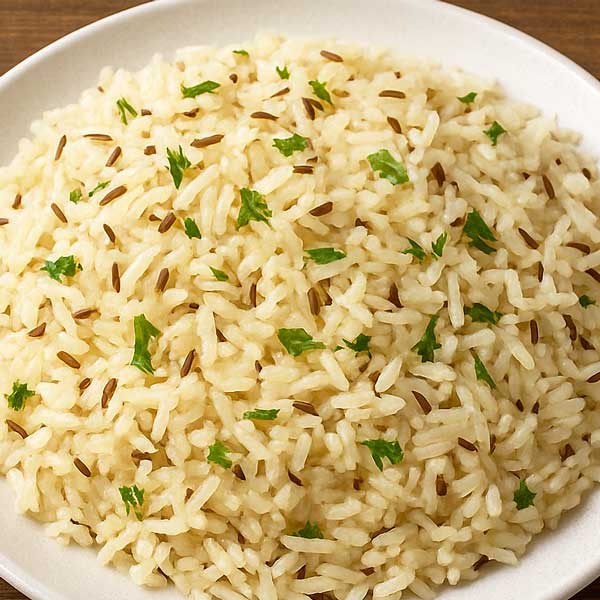
- Jeera Rice: The subtle cumin flavor of jeera rice is a perfect neutral base that complements the complex Shahi gravy without competing with it.
- Masala Pulao: A lightly spiced rice that pairs elegantly with the Mughlai character of this dish.
- Boondi Raita: The cooling yogurt side provides a wonderful contrast to the warm spices and rich gravy.
- Cucumber Salad: Light and refreshing alongside the richness of the Shahi gravy.
Storage and Reheating Instructions
How to Store
Refrigerator: Cool completely and store in an airtight container for up to 3 days. The flavors develop beautifully after a day in the refrigerator. Note that the gravy will thicken considerably when cold due to the cream and cashew content.
Freezer: Shahi Paneer can be frozen for up to 2 months. The paneer texture changes slightly after freezing but remains acceptable. For best results, freeze the gravy alone without paneer, then add freshly pan-fried paneer when reheating.
How to Reheat
- Stovetop (best method): Reheat gently over low heat, adding 4 to 5 tablespoons of warm water or milk to loosen the thickened gravy. Stir gently and frequently. Add a small drizzle of cream and a pinch of garam masala when hot to refresh the flavor. Do not boil vigorously.
- Microwave: Heat in 60-second intervals, stirring gently between each interval. Cover with a lid. Add a splash of milk or water before reheating to prevent the gravy from drying out.
Nutrition and Health Benefits
One serving of Shahi Paneer (recipe serves 4) contains approximately:
- Calories: 480 kcal per serving
- Protein: 20g
- Carbohydrates: 16g
- Fat: 38g (primarily from paneer, cream, ghee, and cashews)
- Calcium: 420mg (32% of daily value) from paneer, yogurt, and cream
- Magnesium: 80mg (20% of daily value) from cashews and almonds
- Phosphorus: 300mg (24% of daily value)
- Vitamin A: 18% of daily value from cream and ghee
Shahi Paneer is a calorie-dense dish due to the generous use of cream, ghee, and cashews, but every one of those calories comes with significant nutritional value. Paneer is one of the most protein-dense foods in Indian cooking and provides complete protein with all essential amino acids. The cashews contribute heart-healthy monounsaturated fats, copper, and magnesium. Ghee contains fat-soluble vitamins A, D, E, and K, and is increasingly recognized as a healthy saturated fat source distinct from processed fats. The saffron contains crocin and safranal, compounds that have been studied for mood-regulating and antioxidant properties. This is a rich dish best enjoyed as an occasional celebratory meal rather than everyday cooking, but within a balanced diet it is both deeply nourishing and supremely satisfying.
Frequently Asked Questions
The most common cause is over-browning the onion in Step 3. The onion should be cooked to soft and lightly golden, not deeply browned. Browned onion darkens the entire gravy. The second common cause is too much Kashmiri chili powder. Half a teaspoon gives a gentle warmth and subtle color. More than that produces an orange gravy rather than the characteristic pale golden of authentic Shahi Paneer.
Yes, the dish is still excellent without saffron. Saffron adds a distinctive floral, honey-like aroma and a beautiful golden tint that is characteristic of the most authentic versions, but the underlying cashew-cream-spice gravy is so rich and complex that the dish stands on its own without it. If you want to add color without saffron, a small pinch of turmeric in the warm milk achieves a similar visual effect.
Three things cause blandness in Shahi Paneer. The first is under-salting: the cashew and cream base absorbs a lot of salt and the dish needs proper seasoning. Taste at every stage and adjust. The second is under-cooking the cashew-onion paste, which leaves a raw, flat flavor. Cook the paste fully for 8 to 10 minutes until the ghee separates. The third is using low-quality or insufficient whole spices in the tempering. Use fresh, aromatic spices and do not rush the blooming of the whole spices in the ghee at the beginning.
Absolutely. Store-bought paneer from Indian grocery stores, Whole Foods, or other supermarkets works perfectly well. Soak the raw cubes in warm water for 10 minutes before pan-frying to soften any dry exterior. For the most extraordinary result, fresh homemade paneer used on the same day it is made has a softer, creamier texture than store-bought. Our how to make paneer at home recipe is straightforward and the result is outstanding.
Kewra water, also called screwpine essence, is a floral water distilled from the flowers of the pandanus plant. It has a very distinctive, somewhat floral and musky aroma that is characteristic of Mughlai desserts and some Mughlai savory dishes including Shahi Paneer and biryani. A very small quantity, typically just half a teaspoon, adds a characteristic perfume to the finished dish. It is available at Indian grocery stores and is inexpensive. If unavailable, omit it or substitute with a very small drop of rose water. The dish is excellent without it.
At 480 kcal per serving, Shahi Paneer is one of the more calorie-dense Indian dishes due to the cream, ghee, and cashews. It is best enjoyed as an occasional indulgence rather than an everyday weight loss meal. To make a lighter version, reduce the cream to 3 tablespoons, use 1 tablespoon of ghee instead of 3, and replace cashews with 2 tablespoons of cashew butter blended into the gravy. This brings the dish to approximately 320 kcal while retaining the essential Mughlai flavor.
More Indian Paneer and Mughlai Recipes You Will Love
- Paneer Butter Masala Recipe
- Palak Paneer Recipe
- Matar Paneer Recipe
- Paneer Lababdar Recipe
- Kadai Paneer Recipe
- Navratan Korma Recipe
- Malai Kofta Recipe
- Butter Chicken Recipe
- Rogan Josh Recipe
- All Paneer Recipes
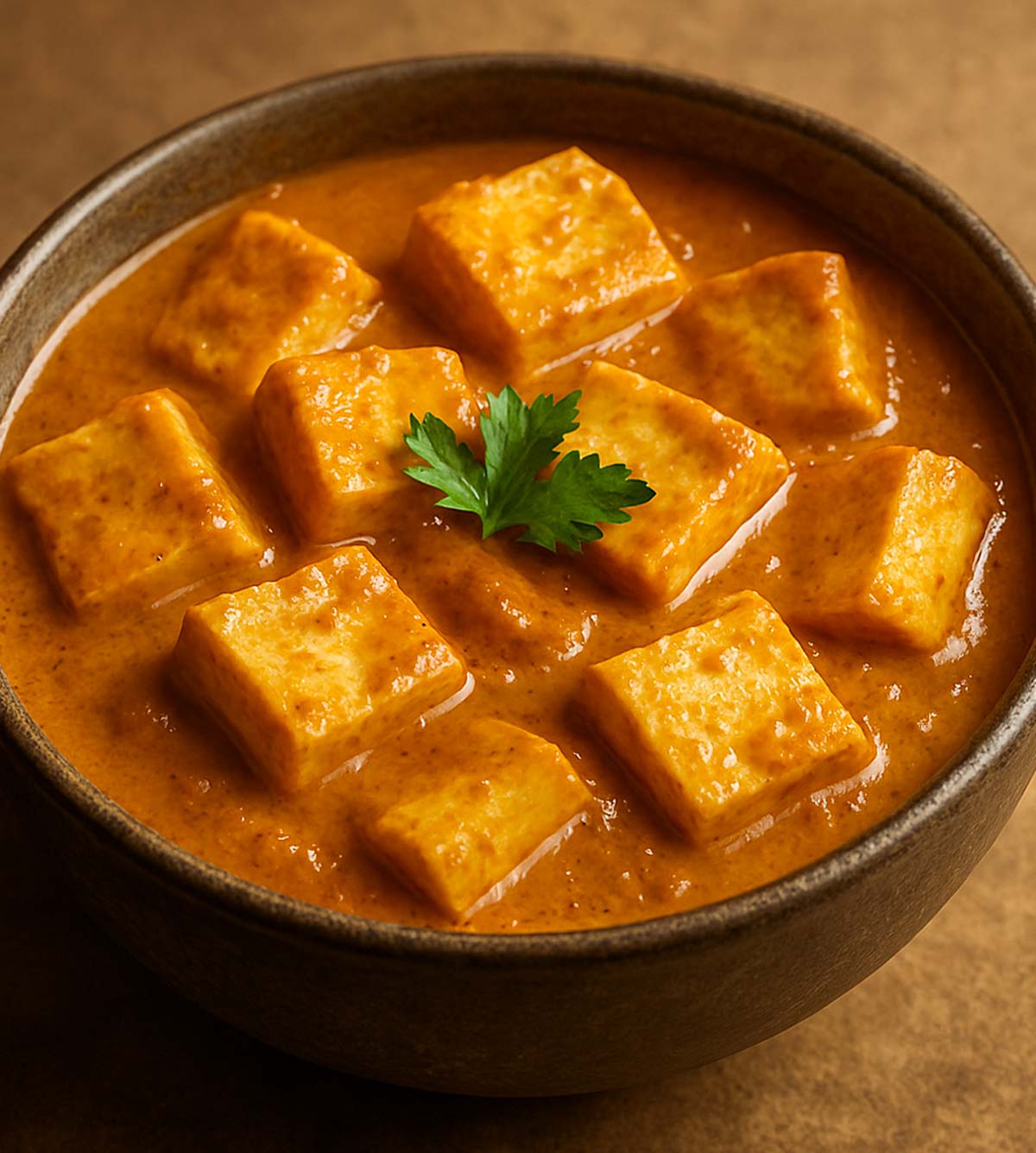
Recipe Card
Shahi Paneer (Restaurant-Style Indian Cottage Cheese Curry)
Equipment
- 1 Heavy-bottomed pan
- 1 Blender or mixer grinder
- 1 Spatula
- 1 Chopping board and knife
- 2 Measuring spoons
Ingredients
- 200 g paneer cubed
- 2 tbsp ghee or oil
- 1 bay leaf tej patta
- 2 green cardamoms hari elaichi
- 1- inch cinnamon stick dalchini
- 1 tsp cumin seeds jeera
- 1 medium onion chopped
- 1 tbsp ginger-garlic paste
- 2 medium tomatoes pureed
- 10 cashew nuts for richness
- 1 tsp turmeric powder haldi
- 1 tsp red chili powder lal mirch
- 1 tsp coriander powder dhaniya
- ½ tsp garam masala
- Salt to taste
- ¼ cup fresh cream malai
- ¼ cup milk optional
- 1 tsp kasuri methi crushed
- Chopped coriander leaves
- Slivered almonds optional
- Extra cream for drizzling
Instructions
- Fry the Paneer: Cut 200 g fresh paneer into cubes. Lightly fry the paneer cubes in 1–2 tablespoons of ghee or oil in a non-stick pan over medium heat until golden at the edges. Remove from the pan and set aside.
- Prepare the Base Spices: Heat 2 tablespoons ghee or oil in a pan. Add 1 teaspoon cumin seeds, 1 bay leaf, 2–3 green cardamom pods, 1 small cinnamon stick, and 12–15 cashew nuts. Sauté until spices release aroma and cashews turn golden brown.
- Cook Onions and Tomatoes: Add 1 finely chopped onion and 2 chopped tomatoes. Cook for 5–7 minutes until oil separates. Mix in 1 tablespoon ginger-garlic paste and sauté until the raw smell disappears.
- Make Shahi Paste: Once tomatoes are fully softened and slightly cooled, blend the mixture to make a smooth Shahi Paneer gravy paste. Add a little water if needed for a creamy consistency.
- Cook Masala: Heat 2 tablespoons oil in a clean pan. Add ½ teaspoon turmeric powder, 1 teaspoon red chili powder, and salt to taste. Sauté briefly. Then add the prepared Shahi Paneer masala paste and 1 teaspoon coriander powder. Cook until the masala thickens.
- Combine Paneer and Gravy: Gently fold in fried paneer cubes. Optionally, fry the paneer cubes in butter for a few minutes until edges turn golden brown. Pour in ½ cup milk, ¼ cup fresh cream, ½ teaspoon garam masala, and 1 teaspoon crushed kasuri methi. Stir gently to create a rich, creamy gravy.
- Simmer and Garnish: Simmer for 2–3 minutes until the gravy thickens and develops a rich texture. Turn off heat, drizzle extra cream, and garnish with fresh coriander leaves and slivered almonds. Serve and enjoy hot with roti, butter naan, or jeera rice.
Notes
- If you don’t have cream, you can skip cream and milk for a lighter version.
- Soak 12-15 cashews and blend separately to make paste for a smoother texture.
- The gravy for Shahi Paneer can be made in advance and stored for 1–2 days.