Chaas Recipe (Indian Spiced Buttermilk)
In India, chaas is not just a drink. It is a ritual. In homes across Gujarat, Rajasthan, Punjab, and Maharashtra, a glass of chaas is served after lunch every single day without exception, as naturally as water on the table. It cools the body after a hot meal, settles the stomach after rich food, replenishes salt and hydration during the sweltering summer months, and does all of this in a form that takes about three minutes to prepare and costs almost nothing to make.
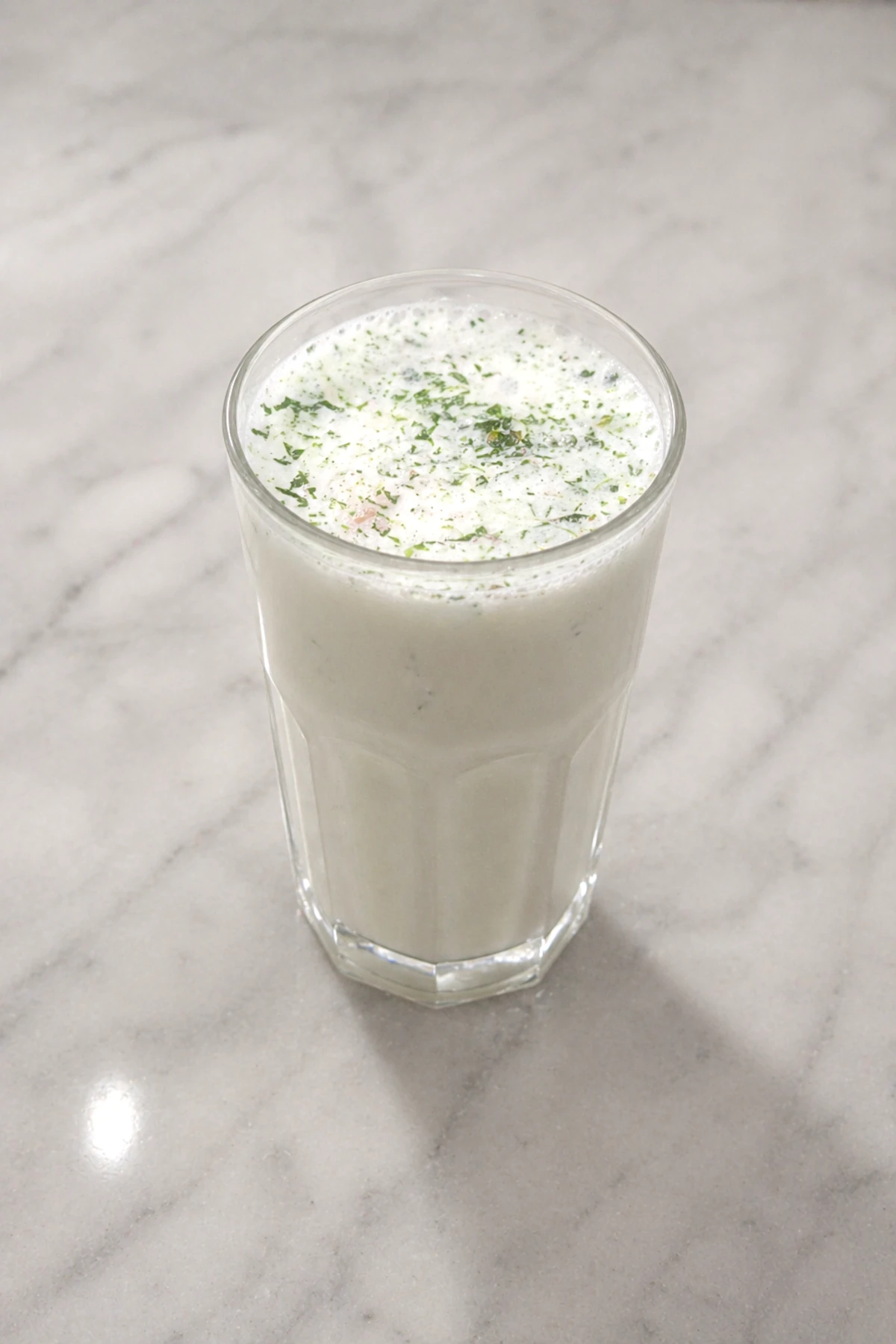
Chaas, also called mattha in Hindi and majjiga in Telugu, is the Indian version of spiced buttermilk. Unlike the thick, tangy Western buttermilk used for baking, Indian chaas is thin, pourable, gently sour, and always seasoned with roasted cumin, green chili, fresh coriander, and sometimes ginger and curry leaves. The result is a drink that is simultaneously cooling, savory, lightly sour, and deeply refreshing in a way that plain water or sweet drinks simply cannot replicate on a hot day after a spiced meal.
At Healthy Indian Recipes, chaas holds a special place because it is one of the most genuinely healthy everyday drinks in the entire Indian culinary tradition. It is low in calories, high in probiotics from the yogurt, rich in electrolytes including natural sodium and potassium, and the spices added to it have well-documented digestive and anti-inflammatory properties. This is not a wellness trend. It is centuries-old daily practice that happens to be completely backed by modern nutritional science. Serve it after Dal Makhani, Biryani, or any rich Indian meal and notice the difference it makes.
Why You Will Love This Chaas Recipe
- Ready in 3 minutes: There is almost no recipe on this site that is faster. Yogurt, water, spices, blend. That is the entire method.
- The best post-meal drink imaginable: Chaas after a rich, spiced Indian meal is genuinely transformative. The probiotics, the cumin, and the gentle sourness all work together to ease digestion, reduce bloating, and settle the stomach.
- Naturally cooling for summer: Yogurt has natural cooling properties in Ayurvedic medicine, and chaas amplifies these with mint, coriander, and green chili. On a hot day it provides relief that feels almost physical.
- Extremely low in calories: A full glass of chaas made with low-fat yogurt contains only 60 to 80 calories, making it one of the lightest satisfying drinks available.
- Probiotic-rich: The live cultures in the yogurt are preserved in chaas and provide genuine gut health benefits.
- Completely customizable: The spicing can be adjusted endlessly to personal preference, from a plain salted version to a fiery version with extra green chili and ginger.
Chaas vs Lassi: What is the Difference
This is one of the most commonly asked questions about Indian yogurt drinks, and the answer is straightforward. Both lassi and chaas are yogurt-based drinks, but they differ in three key ways:
- Consistency: Lassi is thick and creamy, made with more yogurt and less water. Chaas is thin and pourable, made with significantly more water diluted through the yogurt. Chaas is a drink, not a meal.
- Flavor: Lassi is typically sweet (as in mango lassi or rose lassi) or mildly salted. Chaas is always savory and spiced, with cumin, green chili, coriander, and sometimes ginger as the defining flavors. There is no sweet version of chaas.
- Function: Lassi is served as a drink or dessert in its own right. Chaas is served specifically as a digestive drink alongside or after a meal. Its primary purpose is functional: cooling the body and aiding digestion after eating.
Think of lassi as the Indian equivalent of a milkshake or smoothie, and chaas as the Indian equivalent of a digestive water or post-meal tonic. Both are excellent but they serve very different purposes.
Ingredients for Chaas (with Metric Measurements)
All measurements are given in US cups and spoons with metric equivalents for international readers. Recipe makes 2 servings.
Base Ingredients
- 1 cup (240g) plain full-fat or low-fat yogurt: Use plain, unsweetened yogurt with live cultures. Full-fat yogurt produces a richer, creamier chaas. Low-fat yogurt produces a lighter, thinner result that is closer to the traditional everyday version. Do not use Greek yogurt as it is too thick and requires significantly more water. Regular Indian-style yogurt or plain American-style yogurt both work well.
- 1.5 to 2 cups (360 to 480ml) cold water: Start with 1.5 cups and add more to reach your preferred consistency. Traditional chaas is quite thin, thinner than what most people expect the first time. The ratio of 1 part yogurt to 2 parts water is the classic proportion for everyday drinking chaas.
- Half teaspoon salt: Essential. Chaas without sufficient salt tastes flat and incomplete. The salt is part of the electrolyte replacement function of the drink.
Spice Tempering (Optional But Strongly Recommended)
- Half teaspoon cumin seeds: Dry-roasted in a pan until fragrant and then ground, or used as whole seeds bloomed in oil for the tempering version. Roasted cumin is the defining spice of chaas and is what separates authentic Indian chaas from plain diluted yogurt.
- Half teaspoon roasted cumin powder: If you do not want to do the full tempering, simply add this directly. Roast your own cumin seeds and grind for best flavor.
- 1 green chili, finely chopped: Adds a fresh, clean heat. Reduce to half a chili or omit entirely for a mild version. Serrano or Thai green chilies are the closest substitutes available in the USA.
- 1 tablespoon fresh coriander (cilantro), finely chopped: Adds freshness, color, and a herbal note that lifts the entire drink.
- Quarter inch fresh ginger, grated: Optional but adds a pleasant warmth and digestive benefit.
- 5 to 6 fresh mint leaves, torn: Optional but very popular in summer versions. Mint adds an additional cooling quality that is particularly refreshing.
- Quarter teaspoon black salt (kala namak): Optional but highly recommended. Black salt adds a distinctive mineral, slightly sulfurous note that is characteristic of authentic chaas and Indian drinks generally. Available at Indian grocery stores and on Amazon.
For the Tadka Version (Tempered Chaas)
- 1 teaspoon neutral oil or ghee
- Half teaspoon mustard seeds
- Half teaspoon cumin seeds
- 6 to 8 fresh curry leaves
- 1 dried red chili, broken in half
- Pinch of asafoetida (hing)
How to Make Chaas Step by Step
Method 1: Quick Blended Chaas (Everyday Version)
Step 1: Blend the Base
Add the yogurt and cold water to a blender or tall jar. If using a jar, use a hand immersion blender. Blend on medium speed for 20 to 30 seconds until completely smooth, thin, and slightly frothy. The blending is important: it breaks down the yogurt fully and creates the characteristic slightly airy, frothy texture of properly made chaas. Whisking vigorously by hand also works but takes slightly more effort.
Step 2: Season
Add the salt, black salt, roasted cumin powder, chopped green chili, grated ginger, fresh coriander, and mint leaves. Stir well to combine. Taste and adjust salt and water to your preference. Pour over ice if desired and serve immediately.
Method 2: Tadka Chaas (Tempered Version, More Festive)
Step 1: Prepare the Blended Base
Blend the yogurt and water as described in Method 1 above. Season with salt and black salt. Pour into serving glasses.
Step 2: Make the Tadka
Heat 1 teaspoon of oil or ghee in a small pan over medium heat. Add the mustard seeds and wait for them to begin popping. Add the cumin seeds, curry leaves, and dried red chili. Step back as the curry leaves will splatter. Add the pinch of asafoetida and stir for 5 seconds. Remove from heat immediately. The entire tadka takes less than 90 seconds.
Step 3: Combine and Serve
Pour the hot tadka directly over the chaas in the serving glasses. It will sizzle and crackle as the hot oil hits the cold drink, which is part of the drama and aroma of this version. The curry leaves and mustard seeds will float on top as a fragrant garnish. Add fresh coriander and serve immediately.
Pro Tips for the Best Chaas
- Use cold yogurt and cold water: Chaas is always served cold or at most room temperature. Starting with cold ingredients means you need less or no ice, which avoids diluting the flavor. Keep your yogurt in the refrigerator until the moment you use it.
- Blend, do not just stir: Simply stirring yogurt into water produces a gritty, slightly lumpy result. Blending for even 20 seconds creates a uniformly smooth, slightly frothy chaas with the correct texture. This step makes a real difference to the final drinking experience.
- Roast your own cumin: Pre-packaged ground cumin has a muted, dusty flavor that does not deliver the nutty, smoky depth of freshly dry-roasted cumin. Dry-roasting takes 90 seconds and makes the single biggest flavor difference in chaas. Keep a small jar of fresh roasted cumin powder in your spice drawer specifically for chaas and other Indian drinks.
- Adjust water based on purpose: For a post-meal digestive drink, the thinner consistency (1 part yogurt to 2 parts water) is traditional and more effective for digestion. For a more filling drink or a drink served on its own as a snack, a slightly thicker consistency (1 part yogurt to 1.5 parts water) is more satisfying.
- Salt is not optional: Unsalted chaas tastes like thin, sour yogurt water. Proper seasoning with salt, and ideally black salt as well, transforms it into a genuinely delicious drink. Season generously compared to what you might expect for a cold drink.
- Make it in large batches: Chaas keeps in the refrigerator for up to 2 days and the flavors improve as the spices infuse. Make a pitcher in the morning and pour glasses throughout the day, giving it a stir before each pour.
Regional Variations of Chaas
Gujarati Chaas (Sweetened and Spiced)
The Gujarati version, called mattha, sometimes includes a tiny pinch of sugar alongside the salt, giving it a very slight sweet edge that balances the sourness. It is also often made with ginger and green chili but with less salt than the Rajasthani version. Gujarati chaas is typically thinner and more delicately spiced than North Indian versions.
Masala Chaas (Spicier Version)
Add an extra green chili, a larger piece of ginger, a pinch of chaat masala, and a few drops of lemon juice. This bolder, more assertively spiced version is popular as a street food accompaniment in North India and pairs particularly well with fried snacks and chaat.
South Indian Mor (Tempered Yogurt Drink)
The South Indian equivalent of chaas is called mor in Tamil and majjige in Kannada. It uses the same base of diluted yogurt but always includes the full tadka of mustard seeds, curry leaves, dried red chili, and asafoetida. Green chili and fresh ginger are almost always included. South Indian mor is often slightly tangier than North Indian chaas because the yogurt used is sometimes more soured.
Plain Salted Lassi (Namkeen Lassi)
The Punjabi version of a savory yogurt drink, namkeen lassi, is thicker than chaas and uses only salt, roasted cumin, and sometimes a touch of mint. It is the savory counterpart to sweet mango lassi and is a fixture of Punjabi dhaba culture.
What to Serve with Chaas
- Dal Makhani: A glass of chaas after a rich, creamy dal makhani meal is the ideal digestive counterpart. The probiotics and cumin help the body process the rich lentil and butter dish efficiently.
- Chicken Biryani: Chaas alongside biryani is a classic combination, particularly in Hyderabadi food culture where biryani and chaas are considered natural partners.
- Samosa: The cooling, digestive chaas after the fried, rich samosa is a street food pairing that works extraordinarily well.
- Rajma Masala: The kidney bean curry is hearty and filling, and a glass of chaas alongside makes the meal feel complete and lighter.
- Chole Bhature: One of the richest North Indian dishes, chole bhature is almost always served with chaas or lassi in Punjabi restaurants for exactly this reason.
- Paratha: A classic Indian breakfast of aloo paratha or plain paratha with chaas on the side is one of the most satisfying simple meals in North Indian cooking.
- Paneer Butter Masala: Rich, creamy paneer curries call for a digestive counterpart, and chilled chaas serves this role perfectly.
Storage Instructions
How to Store
Refrigerator: Store in a sealed pitcher or jar for up to 2 days. The spices will infuse more deeply into the chaas as it sits, which actually improves the flavor after several hours. Stir or shake well before serving as the spices and herbs will settle at the bottom. Do not add ice to the pitcher if storing as it will dilute the chaas.
Freezer: Chaas does not freeze well as the yogurt changes texture significantly when frozen and thawed, becoming grainy. It is best made fresh or prepared up to 2 days in advance at most.
Nutrition and Health Benefits
One serving of Chaas (approximately 300ml, made with low-fat yogurt) contains approximately:
- Calories: 65 kcal
- Protein: 5g
- Carbohydrates: 7g
- Fat: 1.5g
- Calcium: 180mg (18% of daily value)
- Probiotics: Live Lactobacillus cultures from the yogurt
- Sodium: 280mg (electrolyte replenishment)
Chaas is one of the most nutritionally efficient drinks in any cuisine. At under 70 calories per generous serving, it provides meaningful amounts of protein, calcium, and probiotics that actively benefit digestive health. The cumin is rich in antioxidants and has been shown in studies to support digestive enzyme activity and reduce gas and bloating. The live cultures from the yogurt populate the gut microbiome and support immune function. The natural sodium from salt and black salt replenishes electrolytes lost through sweating, making chaas a natural, whole-food alternative to commercial sports drinks during hot weather or after exercise. The cooling properties of yogurt are recognized in both Ayurvedic medicine and modern nutritional science, making chaas genuinely effective as a heat management drink during Indian summers and in any hot climate.
Frequently Asked Questions
Western buttermilk is the liquid left over after churning butter from cream. It is thick, very sour, and primarily used in baking for its acidic properties. Indian chaas is made by diluting yogurt with water, which makes it thin and pourable. The flavor is milder and less intensely sour than Western buttermilk. They are not interchangeable in cooking or drinking.
Yes. Whisk the yogurt vigorously with a whisk or fork until completely smooth, then gradually add the cold water while continuing to whisk. A traditional Indian wooden churner called a madani or mathani is the most authentic tool, which creates the traditional hand-churned chaas with a slightly different, airier texture. In the USA, a hand immersion blender or a regular whisk both work well.
Chaas is an excellent drink for weight management. At 60 to 80 calories per serving depending on yogurt fat content, it is far lower in calories than juice, soda, or lassi, while being significantly more satisfying and nutritious. The protein from the yogurt supports satiety, and the probiotics support gut health, which is increasingly linked to healthy weight management in research. Replacing high-calorie beverages with chaas at meals is a genuinely useful dietary strategy.
Sourness in chaas comes from the yogurt, and the level of sourness depends on how fresh the yogurt is. Older yogurt that has been sitting in the refrigerator for several days is more sour than fresh yogurt. If your chaas is too sour, add slightly more water to dilute, increase the salt slightly to balance, and add a tiny pinch of sugar to round the flavor. Using fresh yogurt bought within 2 to 3 days produces the most pleasant, mildly sour chaas.
Greek yogurt can be used but requires significantly more water than regular yogurt because of its much thicker consistency. Start with the same quantity of Greek yogurt but use 2.5 to 3 cups of water instead of 1.5 to 2 cups. Greek yogurt chaas will be tangier and slightly more protein-rich than regular yogurt chaas. Adjust salt and spices accordingly.