Jal Jeera Recipe (Indian Spiced Cumin Lemon Water)
Walk through any Indian market, railway station, or street food lane during the summer months and you will almost certainly encounter a vendor with a large clay pot or glass jar filled with a murky, greenish, intensely aromatic liquid, surrounded by small glasses and a crowd of regulars who have been coming to this specific stall for years. That drink is jal jeera, and the reaction of people tasting it for the first time is consistently one of delighted surprise. Nothing about the description prepares you for how good it actually is.
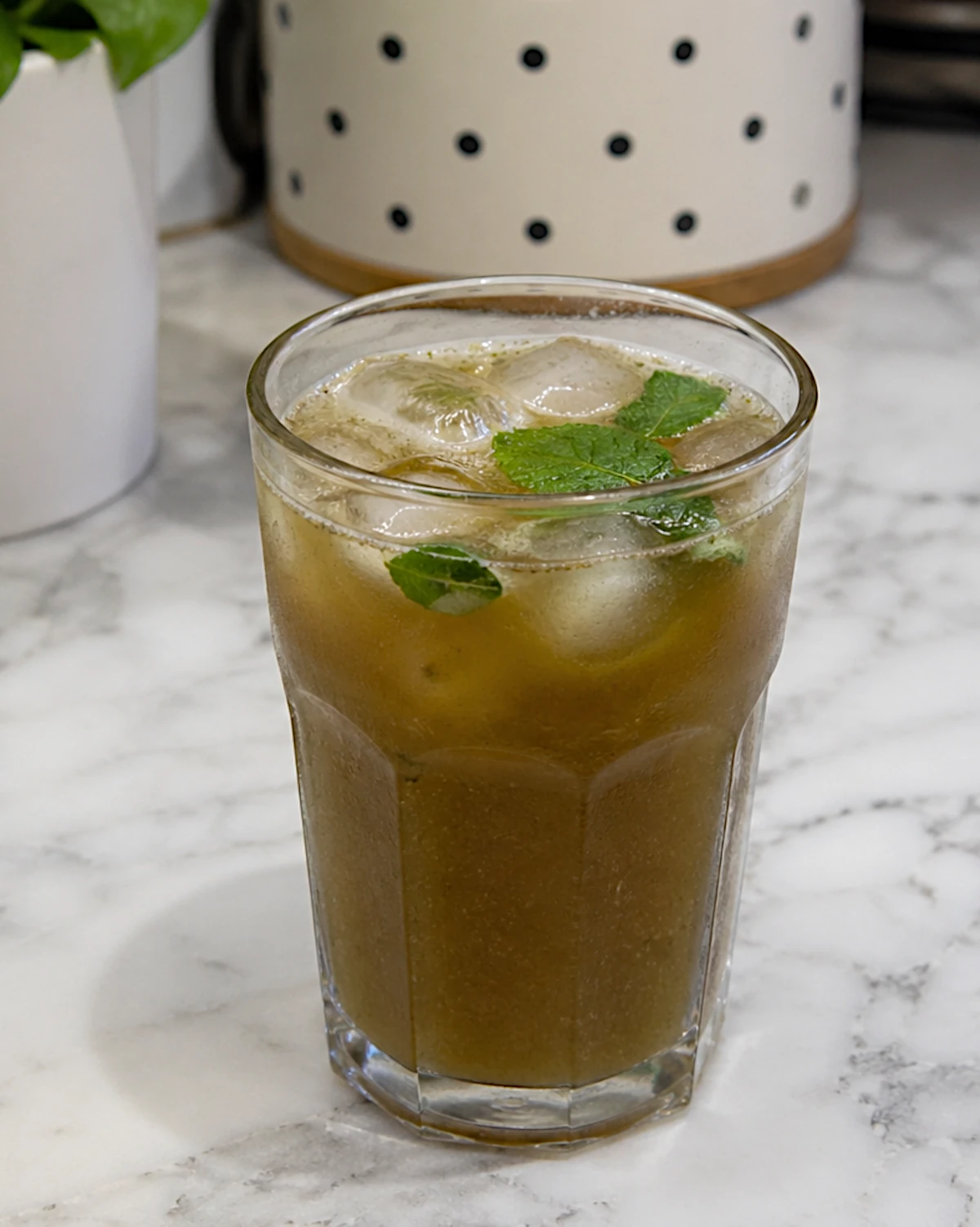
Jal jeera translates literally as cumin water, from jal meaning water and jeera meaning cumin. But the name dramatically undersells the drink. Authentic jal jeera is a complex, layered beverage made with roasted cumin, fresh mint, dried mango powder (amchur), black salt, ginger, green chili, tamarind, coriander, and lemon juice. The combination creates a drink that is simultaneously tangy, cooling, mildly spicy, and deeply savory with a finish that is genuinely unlike anything in Western drinks culture.
Jal jeera is consumed in India primarily as an appetite stimulant served before meals, as a digestive drink served after meals, and simply as a thirst-quenching cooler throughout hot summer days. It is also one of the most popular pani puri waters: the spiced liquid that street vendors fill puri shells with at chaat stalls across India. At Healthy Indian Recipes, jal jeera is a recipe we champion enthusiastically for audiences because it introduces a completely new category of flavored water that is far more interesting and healthful than commercial flavored drinks, and because once you understand what goes into it, it is remarkably easy to make. Serve it alongside samosas, aloo tikki, or any Indian chaat spread as the most authentic possible accompaniment.
Why You Will Love This Jal Jeera Recipe
- A completely new flavor dimension: Most people in the USA have never tasted anything quite like jal jeera. The combination of savory, sour, minty, and spiced in a cold drink is genuinely novel and genuinely delicious.
- Ready in 10 minutes: Once you have the ingredients, jal jeera comes together very quickly. Making the paste takes the most time and it stores for weeks.
- Naturally very low in calories: A full glass of jal jeera contains barely 20 to 30 calories, making it one of the lowest-calorie interesting drinks available anywhere.
- Exceptional digestive benefits: Every ingredient in jal jeera has documented digestive properties. Cumin, mint, ginger, and black salt are all well established for their ability to stimulate digestive enzymes and reduce gas and bloating.
- Endlessly adjustable: The spice level, sourness, sweetness, and saltiness can all be dialed to personal preference. The base recipe is a starting point, not a rigid formula.
- Make-ahead paste stores for weeks: Like thandai paste, jal jeera paste can be made in advance and stored in the refrigerator, making fresh glasses ready in under 2 minutes.
The Key Ingredients That Make Jal Jeera Unique
Several ingredients in jal jeera are less familiar to Western cooks but are essential to the authentic flavor. Here is what they are, what they do, and where to find them in the USA:
- Black salt (kala namak): This is the most important specialty ingredient in jal jeera and the one that gives it its distinctive savory depth. Black salt is a volcanic rock salt with a pungent, slightly sulfurous, mineral flavor caused by its sulfur compound content. When used in small quantities in drinks, it adds an unmistakable savory complexity that regular salt cannot replicate. It is not optional in authentic jal jeera. Available at Indian grocery stores, some health food stores, and on Amazon for a very small cost.
- Amchur powder (dried mango powder): Made from unripe green mangoes that are dried and ground, amchur is a souring agent with a fruity, tangy quality that is different from lemon juice. It contributes the distinctly Indian sourness to jal jeera. Available at Indian grocery stores. Substitute with an extra squeeze of lemon juice if unavailable, though the flavor will be somewhat different.
- Roasted cumin powder: This is the backbone of jal jeera. The smokiness and nuttiness of cumin that has been dry-roasted and freshly ground is what defines the drink. Pre-packaged ground cumin is an acceptable substitute but freshly roasted and ground cumin makes a noticeably superior jal jeera.
- Chaat masala: A proprietary spice blend used widely in Indian street food that includes dried mango powder, black salt, cumin, and several other spices. Adding chaat masala to jal jeera amplifies its complexity with very little effort. Available at Indian grocery stores and increasingly at well-stocked supermarkets in the international section.
- Mint (pudina): Fresh mint is used in generous quantities in jal jeera and is one of its most important flavor contributors. The cooling menthol quality of fresh mint is essential to the drink’s refreshing character.
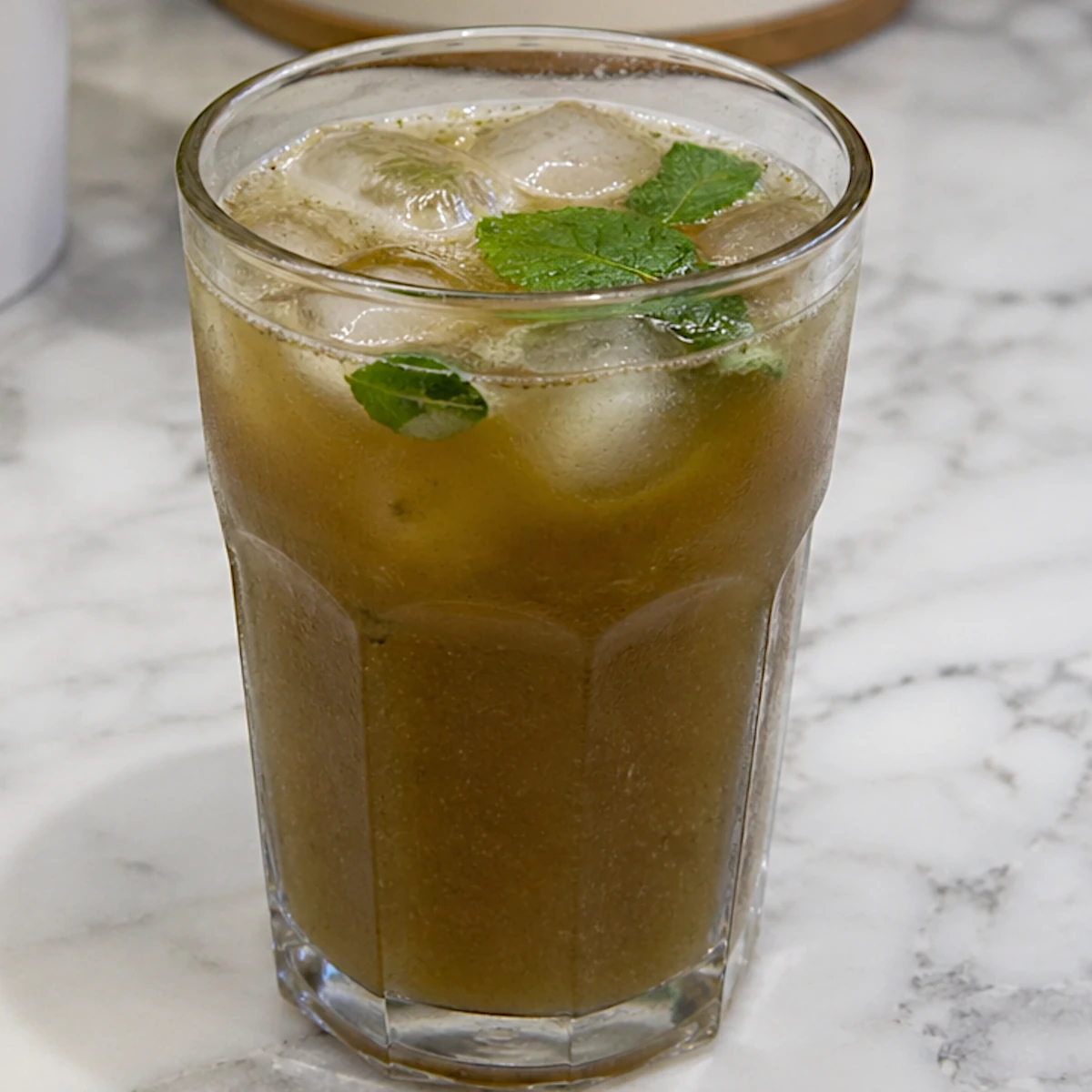
Ingredients for Jal Jeera (with Metric Measurements)
All measurements are given in US cups and spoons with metric equivalents for international readers. Paste recipe makes enough for 8 to 10 servings.
For the Jal Jeera Paste or Concentrate
- 1 cup (30g) fresh mint leaves, tightly packed: Washed and dried. Fresh mint is essential. Dried mint is not an adequate substitute for the fresh, bright flavor needed here.
- Half cup (15g) fresh coriander (cilantro) leaves and tender stems: Adds herbal freshness and a complementary flavor to the mint.
- 2 tablespoons roasted cumin powder: Dry-roast 3 tablespoons of cumin seeds in a pan for 2 minutes until dark and smoky, then grind to a powder. The roasting is important for the characteristic flavor.
- 2 tablespoons amchur powder (dried mango powder): Available at Indian grocery stores. Substitute with an extra 2 tablespoons of lemon juice if unavailable.
- 1.5 teaspoons black salt (kala namak): The defining savory element. See ingredient guide above.
- Half teaspoon regular salt: In addition to the black salt.
- 1 teaspoon chaat masala: Available at Indian grocery stores.
- Half teaspoon black pepper, coarsely ground
- Half teaspoon ginger powder or 1 inch fresh ginger, grated
- 1 to 2 green chilies: Adjust to your preferred heat level. Serrano or Thai green chilies work well.
- 2 tablespoons tamarind paste: From a jar. Adds depth and a fruity sourness. Substitute with an extra tablespoon of amchur if unavailable.
- 3 tablespoons fresh lemon juice (approximately 2 lemons): Fresh lemon is essential. Bottled lemon juice lacks the bright freshness that is critical to jal jeera.
- Half teaspoon sugar or jaggery: A small amount of sweetness balances the multiple sour elements.
- Quarter cup (60ml) cold water: For blending the paste.
For Serving
- 1.5 to 2 cups (360 to 480ml) chilled water per 2 servings
- 2 tablespoons jal jeera paste per serving
- Ice cubes
- Fresh lemon juice: A squeeze over each glass just before serving brightens the flavor.
- Garnish: A few fresh mint leaves, a thin round of lemon, a light dusting of chaat masala and roasted cumin powder on top.
- Optional boondi: Tiny fried chickpea flour balls available at Indian grocery stores. Adding a spoonful of boondi to jal jeera creates the pani puri-style drinking experience that is beloved in Indian street food culture.
How to Make Jal Jeera Step by Step
Step 1: Dry Roast the Cumin
In a small dry pan over medium heat, add the cumin seeds. Roast, stirring constantly, for 1.5 to 2 minutes until the seeds darken by a shade and smell intensely nutty and smoky. Tip immediately onto a plate and allow to cool for 2 minutes. Do not let them burn: the line between perfectly roasted and burnt cumin is narrow and burnt cumin is bitter. Once cooled, grind to a fine powder in a small spice grinder, blender, or with a mortar and pestle. Set aside. This freshly roasted cumin powder is the most important flavor element in jal jeera.
Step 2: Blend the Green Paste
Add the fresh mint leaves, fresh coriander, green chilies, and fresh ginger (if using fresh) to a blender. Add a quarter cup of cold water. Blend on high speed for 1 to 2 minutes until a smooth, bright green paste forms. The paste should be fine with no visible leaf pieces remaining. If the blender struggles, add another tablespoon of water to help it along. The finished paste will be intensely aromatic and vibrantly green.
Step 3: Combine All Paste Ingredients
To the green herb paste in the blender, add the roasted cumin powder, amchur powder, black salt, regular salt, chaat masala, black pepper, ginger powder (if using dried), tamarind paste, fresh lemon juice, and sugar. Blend again for 30 seconds until everything is completely combined into a uniform paste. Taste the paste: it should be intensely flavored, very sour, salty with a distinctive mineral note from the black salt, and herbal. It is concentrated at this stage and will taste overwhelmingly strong on its own: this is correct. The intensity is diluted significantly when mixed with water for serving.
Step 4: Store the Paste
Transfer to a clean glass jar, seal tightly, and refrigerate. The jal jeera paste stores in the refrigerator for up to 3 weeks. The flavors meld and improve over the first 24 hours. Stir well before each use as the paste will settle and separate slightly.
Step 5: Prepare and Serve
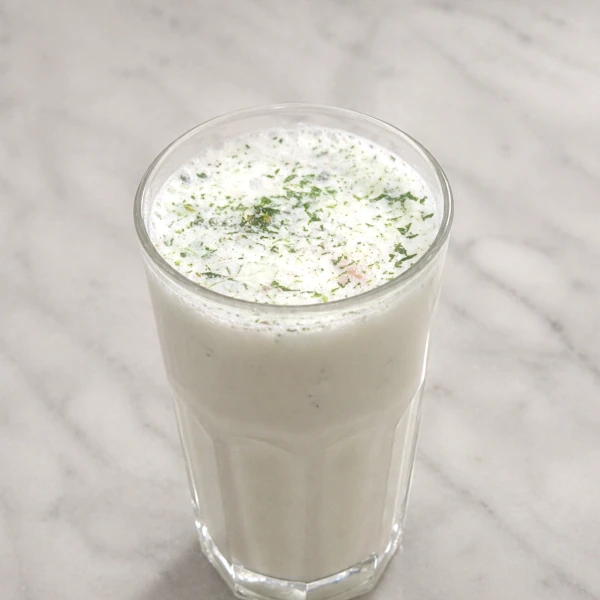
For each serving, fill a tall glass with ice cubes. Add 1.5 to 2 tablespoons of jal jeera paste. Add chilled water, approximately 1 cup per serving, and stir vigorously until the paste is completely dissolved and the water turns a beautiful greenish-brown color. Taste and adjust: add more paste for stronger flavor, more water to dilute, or a squeeze of fresh lemon for additional brightness. Garnish with fresh mint leaves, a lemon slice on the rim, and a pinch of chaat masala and roasted cumin powder on the surface of the drink. If using boondi, add a teaspoon just before serving. Serve immediately while very cold.
Pro Tips for the Best Jal Jeera
- Use very fresh mint: Mint that has been sitting in the refrigerator for several days loses its essential oils and produces a dull, less vibrant jal jeera. Use the freshest mint possible: ideally bought the same day, or from a pot of mint growing on your windowsill. Fresh mint makes an enormous difference to the quality of the finished drink.
- Roast your own cumin every time: This point appears in multiple recipes on this site because it matters more for jal jeera than almost anywhere else. The entire character of the drink rests on the quality of the roasted cumin flavor. Pre-packaged ground cumin produces a flat, dusty result. Freshly roasted and ground cumin produces the signature smoky, nutty depth that makes jal jeera taste like the real thing.
- Black salt is non-negotiable: If there is one ingredient worth a trip to an Indian grocery store specifically for this recipe, it is black salt. The mineral, savory depth it adds to jal jeera is what separates authentic street food flavor from a pleasant-but-not-quite-right homemade approximation. One small jar will last months and costs very little.
- Serve extremely cold: Jal jeera benefits more from very cold temperature than almost any other drink. Slightly warm or room temperature jal jeera is significantly less pleasant than jal jeera served over plenty of ice. Chill the glasses in the freezer for 10 minutes before serving for maximum impact.
- Balance the four flavors before storing: The best jal jeera paste has a balance of sour (from lemon and amchur), salty (from black and regular salt), slightly sweet (from sugar), and spiced (from cumin, chili, and pepper). Taste your paste before storing and adjust any element that feels out of balance. It is easier to correct at the paste stage than in the individual glass.
- Add boondi for the authentic street experience: If you can find boondi (tiny fried chickpea spheres) at an Indian grocery store, adding a small spoonful to each glass of jal jeera creates the street food experience that is beloved across North India. The boondi absorbs the liquid and provides a soft, savory textural contrast to the drink.
Variations of Jal Jeera
Pani Puri Pani (Gol Gappa Water)
This is essentially the same as jal jeera but with a slightly spicier adjustment and a specific consistency for filling puri shells. Increase the green chilies to 3, add an extra tablespoon of tamarind, and thin the prepared water slightly more than for drinking. This pani is used to fill crispy puri shells along with mashed potato and chickpea filling for the famous Indian street food pani puri, also called gol gappa or phuchka in different regions. Jal jeera paste makes an excellent, quick pani puri pani when you want to replicate the street food experience at home.
Aam Panna Jal Jeera
Add 2 tablespoons of aam panna (raw mango concentrate) to the jal jeera paste per serving for a mango-forward, more intensely fruity version of the drink. The raw mango adds an additional layer of tropical sourness that works exceptionally well with the herb and spice base. This combination is popular in summer when raw mangoes are in season.
Mint Lemon Soda Jal Jeera
Replace the still cold water with chilled sparkling water or club soda for a fizzy, street-style jal jeera soda. The carbonation lifts the flavors dramatically and makes the drink feel lighter and more celebratory. Add the sparkling water gently after the paste is dissolved in a small amount of still water first, to avoid excessive foaming.
Ginger-Forward Jal Jeera
For a more aggressively warming version that is particularly good as a digestive drink, double the fresh ginger and add a pinch of ground long pepper (pippali) if available. This version is popular in Ayurvedic cooking as a before-meal appetite stimulant and digestive tonic.
What to Serve with Jal Jeera
- Samosa: Jal jeera and samosa is the quintessential Indian street food pairing. The cool, tangy, herbal drink alongside the hot, crispy, spiced samosa is a combination understood and loved across India.
- Aloo Tikki: The spiced potato patty with cooling jal jeera creates a satisfying snack plate that mirrors the street food culture of Delhi and Lucknow.
- Bread Pakora: Any fried Indian snack pairs naturally with jal jeera, which acts as a cooling, digestive counterpart to the fried richness.
- Veg Momos: The mild, steamed dumplings alongside the bold jal jeera create an interesting contrast of gentle and assertive flavors.
- Kanda Poha: A glass of jal jeera alongside an Indian breakfast spread adds an authentic touch and aids morning digestion.
- Besan Chilla: The chickpea flour pancake with jal jeera makes a complete, healthy Indian breakfast or snack.
- Cucumber Salad: A light, fresh meal of cucumber salad and jal jeera is deeply cooling and hydrating on a very hot summer day.
- Before any Indian meal: Serving small glasses of jal jeera before a meal as an appetizer stimulates the digestive juices and appetite in the most pleasant way, functioning exactly as an aperitif does in Western dining culture.
Storage Instructions
Jal Jeera Paste
Refrigerator: Store in a sealed glass jar for up to 3 weeks. The acidity from lemon and amchur, combined with the salt, acts as a natural preservative. The flavor actually improves over the first 24 to 48 hours as the spices meld. Always use a clean, dry spoon to avoid introducing moisture and stir well before each use.
Freezer: Pour the paste into ice cube trays and freeze for up to 3 months. Each cube provides approximately 1 tablespoon of paste. Drop 2 cubes per glass of water for instant jal jeera straight from frozen, the cubes also chill the water as they dissolve.
Prepared Jal Jeera
Refrigerator: Prepared jal jeera mixed with water stores in a sealed jar for up to 2 days. The color will deepen from green to olive-brown as it sits, which is normal and does not affect the flavor. Stir or shake before serving. The paste method is strongly preferred for serving freshest glasses on demand.
Nutrition and Health Benefits
One serving of Jal Jeera (approximately 300ml, made with water) contains approximately:
- Calories: 25 kcal
- Sodium: 350mg (electrolyte replacement)
- Vitamin C: 15mg from lemon juice (17% of daily value)
- Iron: Small but meaningful amount from cumin
- Digestive enzymes stimulated: By cumin, ginger, black salt, and mint
Jal jeera may be the most nutritionally efficient drink in the Indian culinary tradition relative to its calorie count. At under 30 calories per serving, it delivers meaningful functional benefits: cumin stimulates bile production and digestive enzyme activity, mint soothes the gut lining, ginger reduces nausea and aids gastric emptying, black salt provides electrolytes and supports stomach acid production, and lemon juice provides vitamin C and alkalizing properties. The amchur powder contains natural enzymes from unripe mango that further support digestion. Jal jeera before a meal is a genuinely effective appetite stimulant, and after a meal it is a genuinely effective digestive aid. It hydrates, replenishes electrolytes, and provides all of this in a form that is more interesting and flavorful than plain water. As a replacement for commercial sodas and sugary drinks, jal jeera represents one of the most compelling healthy beverage choices available.
Frequently Asked Questions
Jal jeera and pani puri pani (also called gol gappa pani) are very similar drinks made with largely the same ingredients. The key differences are that pani puri pani is usually slightly spicier, sometimes includes more tamarind for a deeper sourness, and is prepared to a specific consistency for filling the crispy puri shells of the street food. Jal jeera is the drinking version of essentially the same spiced water and is served on its own. The jal jeera paste from this recipe can be used directly for pani puri with minor adjustments to spice level.
Black salt (kala namak) is available at most Indian grocery stores in the spices section, at some health food stores, and on Amazon under brands like Rani, Laxmi, and Deep. It comes in both whole rock form and ground powder. Ground powder is most convenient for drinks. A small bag costs very little and lasts a long time since it is used in small quantities.
Yes. Substitute with an extra 1.5 tablespoons of fresh lemon juice per batch of paste. The flavor will be slightly different: lemon provides a brighter, cleaner sourness while amchur provides a deeper, fruitier sourness, but the result is still a very good jal jeera. If you can find raw green mango, blending a small piece of peeled raw mango into the paste is the closest substitute for amchur.
The bright green color of jal jeera paste comes from the fresh mint and coriander. If the color is dull or brown rather than vibrant green, the herbs may not have been fresh enough, or the paste may have been stored for several days and oxidized. For the most vibrant green color, use extremely fresh mint and coriander, blend immediately, and consume within the first few days of making the paste. Adding a small piece of raw spinach leaf to the blender also intensifies and stabilizes the green color without affecting flavor.
Yes, genuinely. Jal jeera is specifically designed in the Ayurvedic tradition as a summer cooling drink. The mint provides cooling menthol compounds that reduce the sensation of heat. The black salt replenishes electrolytes lost through sweating. Cumin supports digestion, which can become sluggish in extreme heat. The water base itself is hydrating. Together, these factors make jal jeera a functionally effective heat management drink in a way that commercial sodas and sugary drinks are not.