Kadai Paneer Recipe (Restaurant Style Indian Paneer Curry)
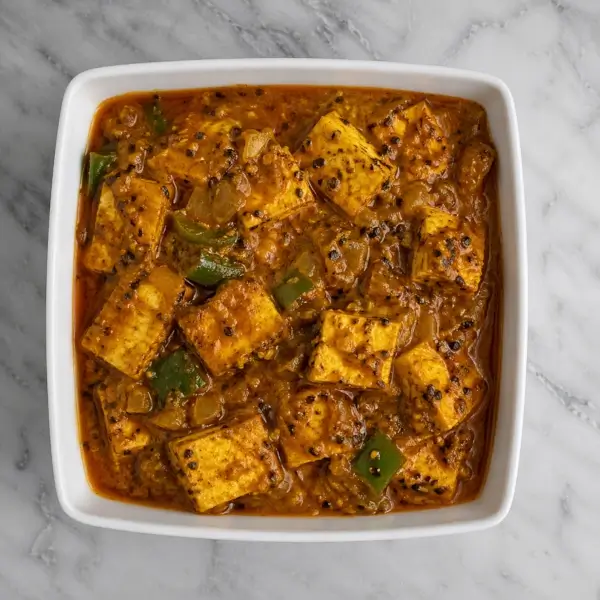
If you have ever ordered Indian food at a restaurant and found yourself completely captivated by that bold, smoky, slightly charred paneer dish served sizzling in a small iron wok, you have had Kadai Paneer. This is one of the most popular Indian restaurant dishes in the world, and with very good reason.
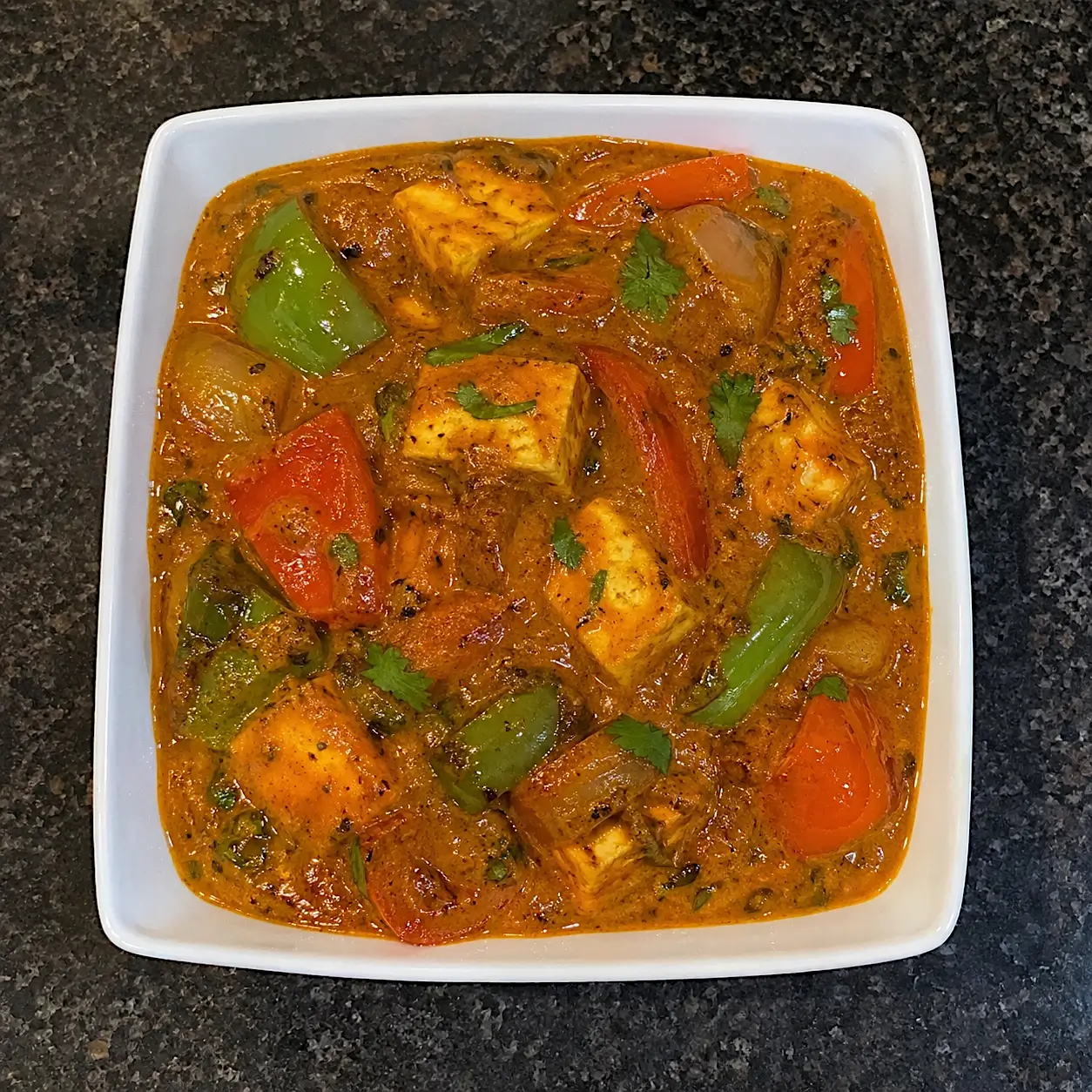
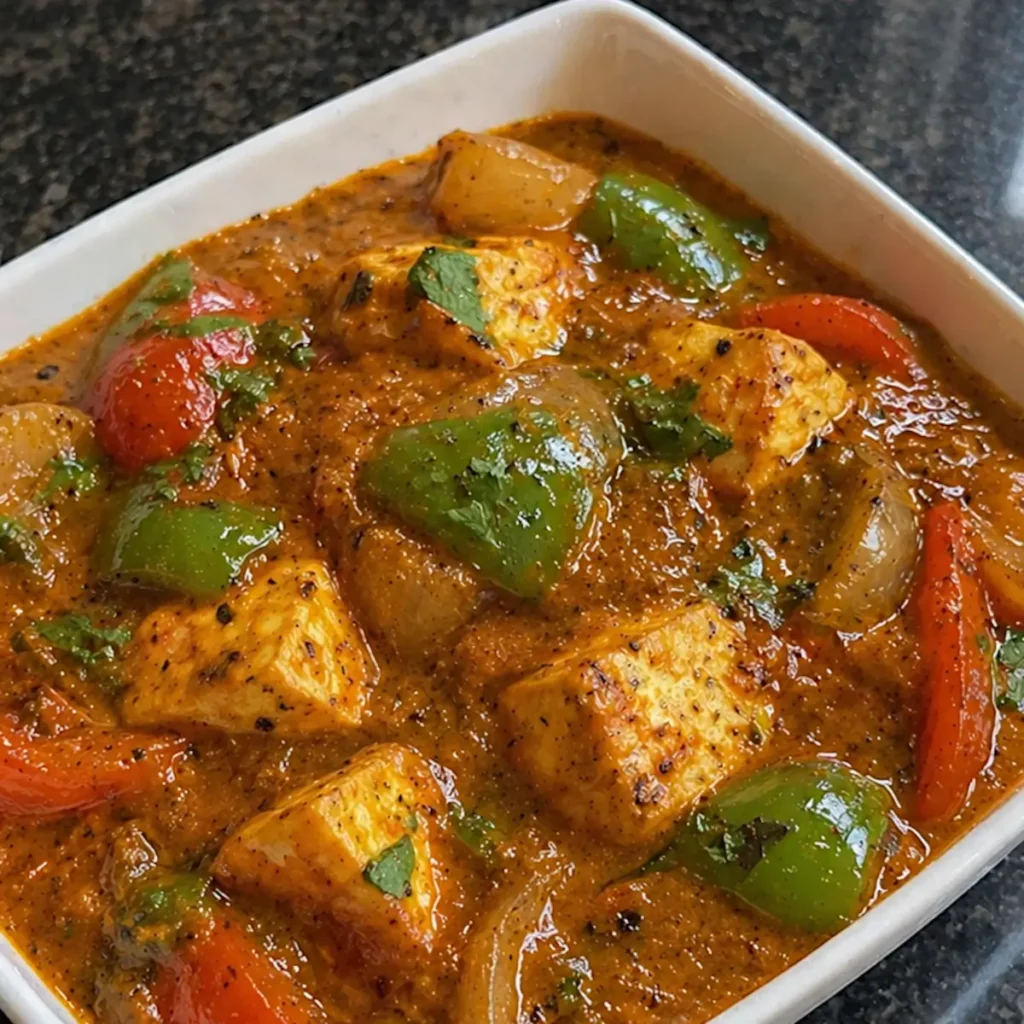
Kadai Paneer is everything that makes Indian cooking exciting: firm cubes of paneer and crisp bell peppers cooked in a vibrant, freshly ground spice paste with tomatoes, onions, and a generous hand with aromatic whole spices. The result is a curry that is bold without being heavy, intensely flavored without being one-dimensional, and beautiful to look at on a plate.
The word kadai refers to the traditional Indian iron wok that this dish is named after and cooked in. The kadai shape, deep and curved with steep sides, allows for high-heat cooking that gives Kadai Paneer its characteristic slightly charred, smoky quality that is very different from the slow-simmered, cream-heavy paneer curries like Paneer Butter Masala or Shahi Paneer. Kadai cooking is fast, high-heat, and deliberate. The freshly ground kadai masala is what sets this dish apart from every other paneer curry, and making it from scratch takes only 5 minutes and transforms the final dish completely.
For the Indian diaspora and food lovers, Kadai Paneer is one of those dishes that bridges the gap between everyday cooking and restaurant-quality results at home. Paneer is now available at Whole Foods, Trader Joe’s, Indian grocery stores, and even some Costco locations, making this recipe genuinely accessible. Serve with garlic naan, paratha, or jeera rice for a complete and impressive meal.
Why You Will Love This Kadai Paneer Recipe
- Restaurant quality at home: The freshly ground kadai masala is the single step that elevates this dish from good to extraordinary, and it takes just 5 minutes to make.
- Ready in 35 minutes: Faster than ordering delivery and significantly better in flavor.
- Bold, smoky, and deeply layered flavor: Kadai Paneer is intentionally more rustic and assertive than cream-based paneer dishes, making it deeply satisfying without feeling heavy.
- Completely vegetarian and naturally gluten-free: Outstanding for vegetarian guests and dietary restrictions.
- High in protein: Paneer is one of the best vegetarian protein sources available, delivering approximately 18g of protein per 100g.
- Flexible heat level: Kadai Paneer can be mild and approachable for Western palates or genuinely fiery for those who want the full experience.
What Makes Kadai Paneer Different from Other Paneer Curries
Kadai Paneer sits in its own category within Indian paneer cooking. Understanding what makes it distinct helps you cook it correctly and appreciate what you are aiming for.
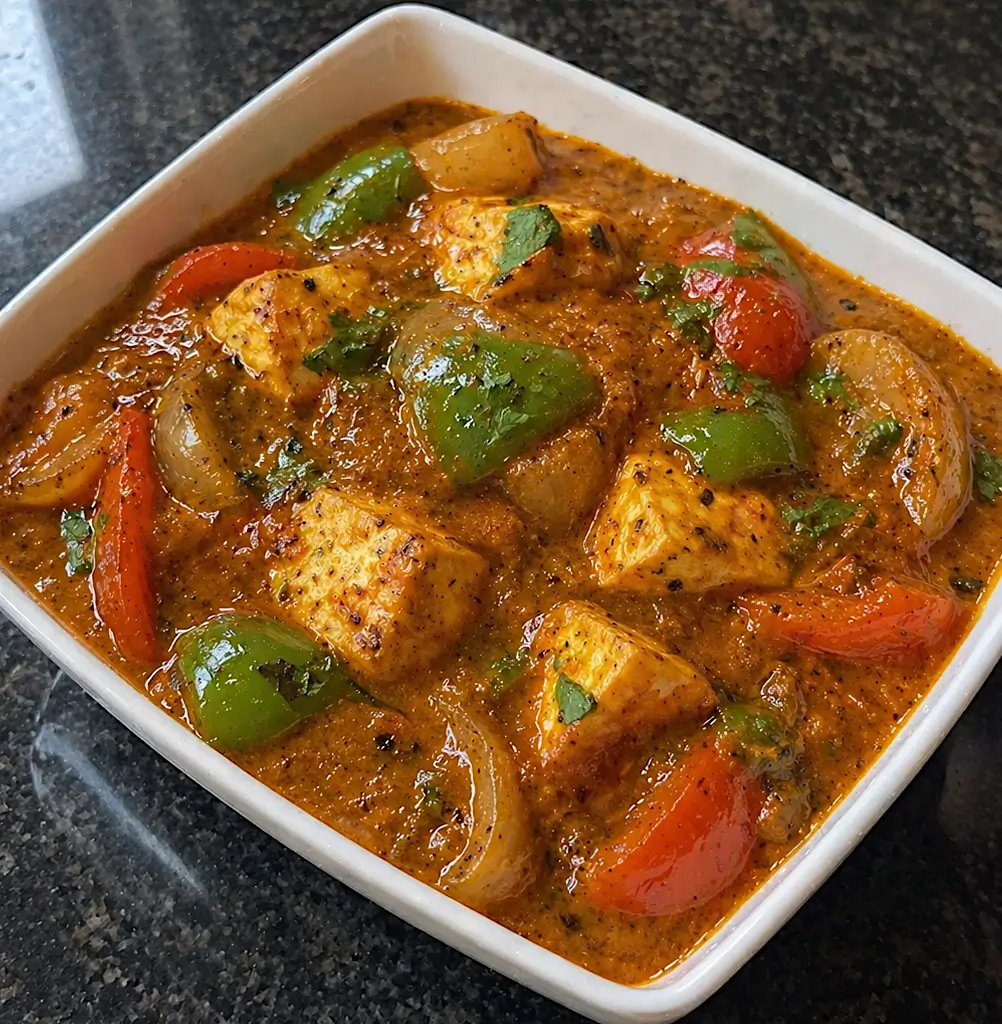
Unlike Palak Paneer, which has a smooth spinach gravy, or Paneer Butter Masala, which has a rich, cream-based sauce, Kadai Paneer has a semi-dry, chunky, textured masala. The gravy clings to the paneer and vegetables rather than pooling beneath them. The bell peppers are cooked but retain a slight bite, adding freshness and crunch. The freshly ground kadai masala with its dominant notes of coriander, dried red chili, fennel, and black pepper gives the dish a boldness and warmth that sets it completely apart. This is a high-heat, wok-cooked dish, not a slow-simmered one, and that cooking method is as important as the ingredients.
The Kadai Masala — Why You Must Make It Fresh
Kadai masala is the defining element of this dish, and it is the single most important reason to make Kadai Paneer at home rather than using a jar of generic curry paste. This freshly ground spice blend takes 5 minutes to make and produces an intensity and freshness of flavor that no pre-made masala can replicate. Here is what goes into it and why each spice matters:
- Whole coriander seeds: The dominant spice in kadai masala. Used in much larger quantity than in other masalas, giving the dish its characteristic citrusy, nutty warmth.
- Whole dried red chilies: Bedgi or Kashmiri variety preferred for color with moderate heat. These are toasted dry before grinding.
- Black pepper: More prominent in kadai masala than in garam masala, adding a pungent, warming heat that is different from chili heat.
- Fennel seeds: Adds a subtle, slightly sweet anise note that is characteristic of authentic kadai masala.
- Cumin seeds: Provides the earthy, warm backbone of the masala.
- Cloves and cardamom: Used sparingly for aromatic depth.
Where to Buy Paneer
- Indian grocery stores: The most reliable source for fresh paneer. Most carry it refrigerated or in the freezer section.
- Whole Foods Market: Carries paneer in the dairy section or specialty cheese section. Look for brands like Gopi or Nanak.
- Trader Joe’s: Carries paneer in many locations, typically in the cheese section.
- Costco: Some Costco locations carry large packs of paneer at excellent value.
- Amazon Fresh and specialty online retailers: Ship refrigerated paneer if local stores do not carry it.
- Make your own: Fresh homemade paneer is superior to store-bought and surprisingly simple to make. Check our paneer recipes guide for a full how-to.
Ingredients for Kadai Paneer (with Metric Measurements)
All measurements are given in US cups and spoons with metric equivalents in brackets for international readers.
For the Kadai Masala (Freshly Ground)
- 2 tablespoons whole coriander seeds
- 4 to 5 whole dried red chilies: Kashmiri or bedgi variety. Adjust quantity to heat preference.
- 1 teaspoon whole black peppercorns
- 1 teaspoon fennel seeds
- Half teaspoon cumin seeds
- 3 cloves
- 2 green cardamom pods
For the Paneer and Vegetables
- 14 oz (400g) paneer: Cut into 1-inch cubes. If using store-bought refrigerated paneer, soak in warm water for 10 minutes before using to soften it.
- 1 large green bell pepper: Cut into 1-inch pieces. About 1.5 cups (180g).
- 1 large red bell pepper: Cut into 1-inch pieces. Adds sweetness and beautiful color.
- 1 large onion: Cut into 1-inch chunks and layers separated. About 1.5 cups (180g).
For the Curry Base
- 3 tablespoons neutral oil or ghee: Ghee adds significant richness and is the traditional choice for restaurant-style kadai paneer.
- 1 teaspoon cumin seeds
- 2 medium onions, very finely chopped: About 2 cups (300g). These form the gravy base and are different from the chunked onions above.
- 1 tablespoon ginger-garlic paste: Or 4 garlic cloves and 1-inch ginger, minced together.
- 4 medium tomatoes, finely chopped: About 2 cups (480g). Use ripe, flavorful tomatoes. The tomato is the soul of the kadai gravy.
- 1 teaspoon Kashmiri red chili powder: In addition to the dried chilies in the kadai masala.
- Half teaspoon turmeric powder
- Salt to taste
- 2 tablespoons fresh cream: Optional, stirred in at the very end. A small amount balances the acidity of the tomatoes without making the curry heavy.
- 1 tablespoon butter: Optional finishing touch for restaurant-style richness.
- 1 teaspoon dried fenugreek leaves (kasuri methi): Crushed between your palms before adding. This is the finishing ingredient that gives the dish its restaurant character. Available at Indian grocery stores and Amazon.
For Garnish
- Fresh cilantro, roughly chopped
- 1 tablespoon fresh cream or butter
- Julienned fresh ginger
- Lemon wedges
How to Make Kadai Paneer Step by Step
Step 1: Make the Kadai Masala
Heat a dry skillet over medium heat with no oil. Add the coriander seeds, dried red chilies, peppercorns, fennel seeds, cumin seeds, cloves, and cardamom pods. Toast over medium heat, stirring constantly, for 2 to 3 minutes until the spices are fragrant and beginning to darken very slightly. The coriander seeds should smell nutty and the chilies should be puffed slightly. Remove immediately from heat and transfer to a plate to cool. Once cool, grind to a coarse powder in a spice grinder. Do not grind to a fine powder as kadai masala is intended to have some texture. Set aside.
Step 2: Lightly Char the Paneer and Vegetables (Optional but Recommended)
Heat 1 tablespoon of oil in a wide pan over high heat. Add the paneer cubes in a single layer and sear for 1 to 2 minutes per side until they develop light golden spots. Remove and set aside. In the same pan, add the bell pepper and chunked onion pieces and toss over high heat for 2 to 3 minutes until they have light char marks but still retain their bite and crunch. Remove and set aside. This step adds a smoky, slightly caramelized character that is what distinguishes good kadai paneer from great kadai paneer.
Step 3: Build the Kadai Gravy
In the same pan or a kadai, heat the remaining 2 tablespoons of oil or ghee over medium-high heat. Add the cumin seeds and let them sizzle for 30 seconds. Add the finely chopped onions and cook over medium-high heat for 7 to 8 minutes, stirring frequently, until they are golden. Add the ginger-garlic paste and cook for 2 minutes until the raw smell disappears. Add the finely chopped tomatoes and cook over medium-high heat for 8 to 10 minutes, stirring regularly, until the tomatoes are completely broken down, the mixture is thick and paste-like, and the oil is clearly separating and pooling around the edges. This step is critical and needs patience. The tomatoes must cook down completely into a thick masala.
Step 4: Add Spices and Kadai Masala
Add the Kashmiri chili powder, turmeric, and salt. Stir well. Now add 2 to 3 tablespoons of the freshly ground kadai masala and stir to combine. Cook the masala with the tomato base for 3 minutes, stirring constantly, until everything is fragrant and the oil separates again. The masala should smell boldly of toasted coriander and dried chili. Add a quarter cup (60ml) of water and stir to bring everything together into a cohesive, thick gravy.
Step 5: Add Paneer and Vegetables
Add the seared paneer cubes, charred bell peppers, and onion chunks to the kadai masala. Toss gently to coat every piece in the masala. Cook over medium-high heat for 3 to 4 minutes, tossing occasionally, until everything is heated through and the masala clings to all the pieces. If using cream, stir it in now and toss to combine. Add the butter if using and let it melt into the curry. Crush the kasuri methi between your palms directly over the pan and stir in. Cook for 1 more minute. Taste and adjust salt.
Step 6: Serve
Transfer to a serving bowl or serve directly in the kadai for the restaurant presentation. Garnish with a swirl of cream, a few julienned pieces of fresh ginger, and a generous scatter of fresh cilantro. Serve with lemon wedges. Bring to the table immediately.
Pro Tips for the Best Kadai Paneer
- Make the kadai masala fresh every time: This is the single most important tip. Pre-made garam masala or store-bought kadai masala powder cannot replicate the fragrance of freshly toasted and ground spices. The difference is dramatic and obvious.
- Sear the paneer before adding to the curry: Golden, lightly charred paneer holds its shape better in the curry, has a more satisfying texture, and adds a layer of toasty flavor. Never skip this step for restaurant-quality results.
- Cook the tomatoes completely: The tomato paste stage is non-negotiable. Undercooked tomatoes leave a raw, acidic taste. Properly cooked tomatoes become sweet, deep, and the foundation of an extraordinary kadai gravy.
- Keep the bell peppers slightly crunchy: Kadai Paneer is defined by the contrast between the soft paneer and the crisp, slightly charred bell pepper. Do not let the peppers become soft and limp.
- Kasuri methi is essential: Dried fenugreek leaves, crushed at the very end, is the ingredient that gives restaurant-style kadai paneer its signature aroma. It is available at Indian grocery stores and Amazon and keeps for months. Do not substitute or skip it.
- Use a coarse grind for the masala: Kadai masala should be coarsely ground with visible texture, not a fine powder. The texture is part of the character of this dish.
Variations of Kadai Paneer
Kadai Paneer Gravy (Restaurant Style)
For a saucier, more gravy-forward version like many Indian restaurants serve, add half a cup of full-fat cream and a quarter cup of water along with the paneer. Cook for 3 additional minutes. The result is a richer, more indulgent curry that is outstanding with naan.
Kadai Chicken
Replace the paneer with 1.5 lbs (680g) of boneless chicken thighs cut into chunks. Cook the chicken in the masala for 12 to 15 minutes until fully cooked through before adding the bell peppers. The same kadai masala works beautifully with chicken.
Kadai Prawn
Replace the paneer with 1.5 lbs (680g) of large peeled prawns. Add the prawns to the masala and cook for just 4 to 5 minutes until pink and opaque. The bold kadai masala is extraordinary with seafood.
Vegan Kadai Tofu
Replace the paneer with extra-firm tofu, pressed and cut into cubes. Sear the tofu exactly as you would the paneer. Skip the cream and butter or use plant-based alternatives. The kadai masala works very well with tofu.
What to Serve with Kadai Paneer
- Garlic Naan: The classic and most satisfying pairing. Tear the naan and use it to scoop the chunky kadai masala.
- Paratha: Flaky paratha alongside kadai paneer is a deeply satisfying combination.
- Plain Paratha: A simpler flatbread option that lets the bold kadai flavors take centre stage.
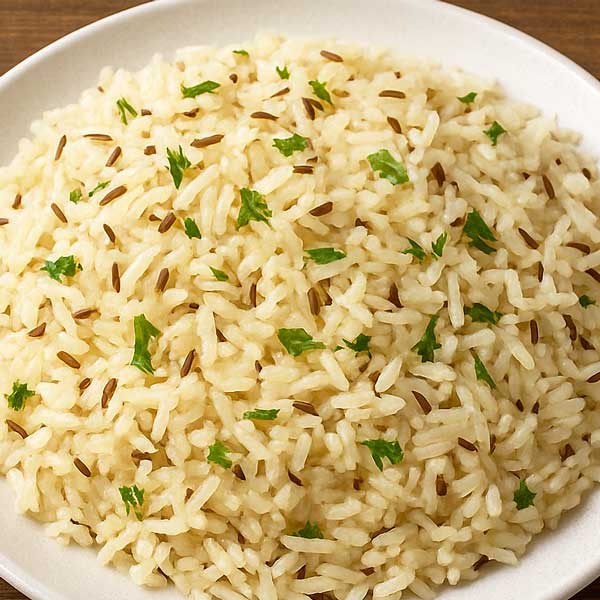
- Jeera Rice: Cumin-scented rice is an excellent base for the chunky kadai gravy.
- Boondi Raita: A cooling yogurt side that balances the heat of the kadai masala beautifully.
- Cucumber Salad: Light and fresh, a welcome contrast to the bold, charred flavors of the curry.
- Onion Chutney: Tangy onion chutney is an excellent accompaniment alongside the main bread and curry.
Storage and Reheating Instructions
How to Store
Refrigerator: Cool completely and store in an airtight container for up to 3 days. The flavors deepen noticeably after a day in the refrigerator as the paneer absorbs the masala.
Freezer: Kadai Paneer can be frozen for up to 1 month. Note that paneer texture changes slightly after freezing, becoming slightly more crumbly. The flavor remains excellent. Thaw overnight in the refrigerator before reheating.
How to Reheat
- Stovetop (recommended): Reheat gently over medium-low heat with a splash of water or cream. Stir carefully to avoid breaking the paneer. Heat until warmed through.
- Microwave: Heat on medium power in 60-second intervals, stirring gently between each, until hot throughout.
Nutrition and Health Benefits
One serving of Kadai Paneer (recipe serves 4) contains approximately:
- Calories: 380 kcal
- Protein: 20g
- Carbohydrates: 14g
- Fat: 28g
- Calcium: 35% of daily recommended value
- Sodium: 490mg
Paneer is one of the most complete vegetarian protein sources in Indian cooking, providing all essential amino acids. It is particularly rich in calcium and phosphorus, supporting bone health, and provides a good amount of B vitamins including B12. The bell peppers in this recipe are exceptionally rich in vitamin C, with red bell peppers containing more than 200% of the daily recommended value per cup. The freshly ground kadai masala spices, particularly coriander, fennel, and black pepper, are rich in antioxidants and digestive-support compounds. For a vegetarian meal, Kadai Paneer delivers an impressive nutritional profile alongside its extraordinary flavor.
Frequently Asked Questions
Yes. Any wide, heavy-bottomed pan or skillet works well. A cast iron skillet is particularly good as it retains high heat like a kadai does, which is important for achieving the slight char on the paneer and vegetables. The shape of the pan matters less than the heat level and technique.
Strongly recommended. Lightly searing or pan-frying the paneer cubes until golden before adding to the curry significantly improves the texture, prevents the paneer from crumbling in the masala, and adds a layer of toasty flavor. If you prefer very soft paneer, skip the searing and soak the paneer in warm salted water for 20 minutes before adding directly to the curry.
This recipe is moderately spiced with Kashmiri chili, which provides beautiful color with gentle heat. The dried chilies in the kadai masala add warmth rather than fiery heat when using Kashmiri or bedgi varieties. For a milder version, reduce the dried chilies in the masala to 2 and skip the additional Kashmiri chili powder. For extra heat, add 1 to 2 finely sliced fresh green chilies with the onions.
These are completely different dishes despite both being paneer curries. Paneer Butter Masala has a smooth, rich, cream and cashew-based orange sauce that is mild and sweet. Kadai Paneer has a chunky, semi-dry, tomato-based masala with bold spicing, bell peppers, and a coarse, freshly ground spice blend. Kadai Paneer is more rustic, more aggressively spiced, and has a higher-heat cooking style. They occupy different flavor territories entirely.
Yes. Use extra-firm tofu, pressed for at least 30 minutes to remove excess moisture, then cut into cubes and seared exactly as you would the paneer. The tofu will not have the same milky richness as paneer but it absorbs the kadai masala beautifully and is an excellent vegan alternative.