Prawn Masala Recipe (Indian Shrimp Curry in 30 Minutes)
If you are a seafood lover who also loves Indian food, Prawn Masala is the dish you need in your weeknight rotation. Bold, deeply spiced, and ready in just 30 minutes, this Indian shrimp curry delivers restaurant-quality flavor with minimal effort and everyday ingredients.
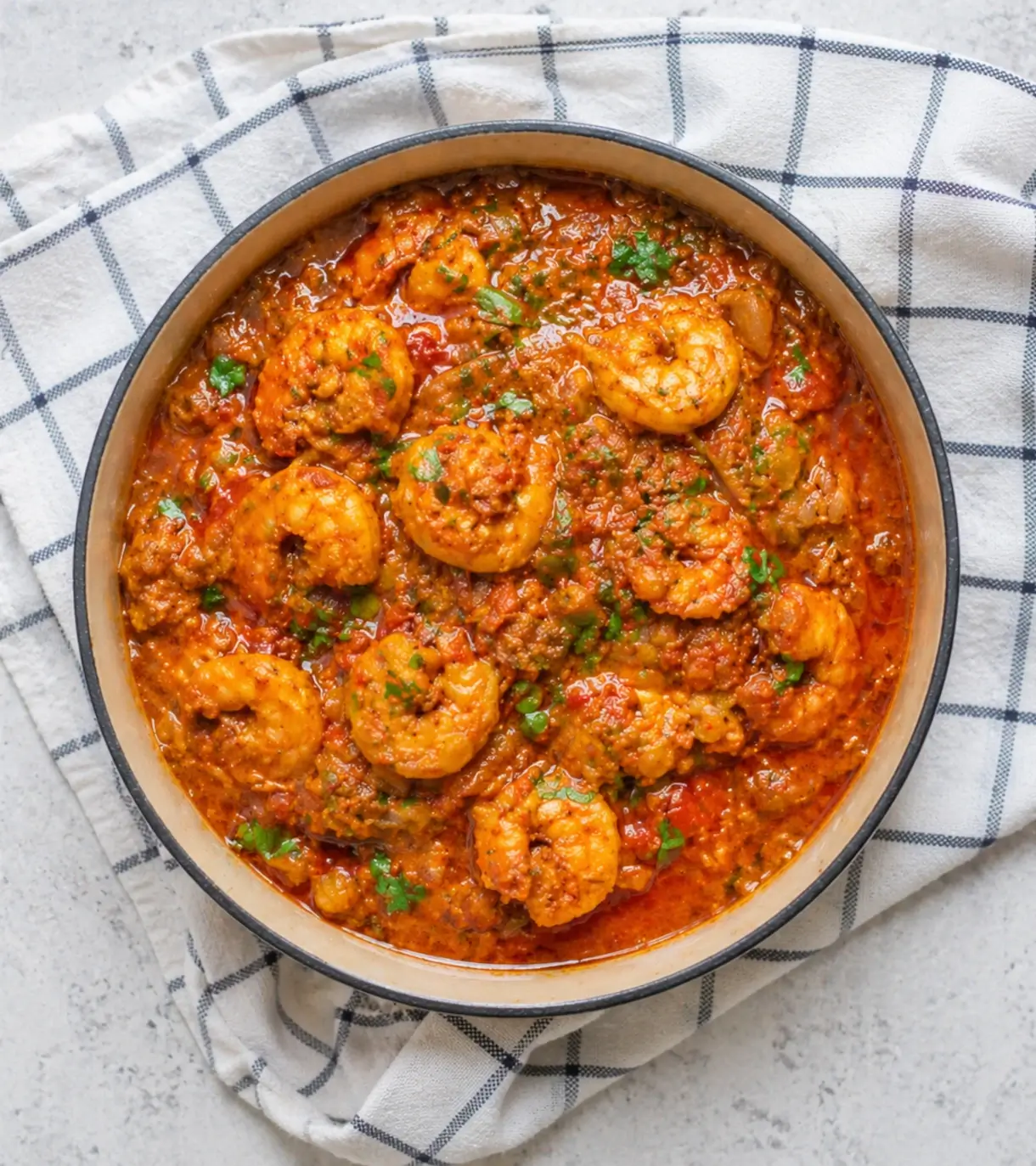
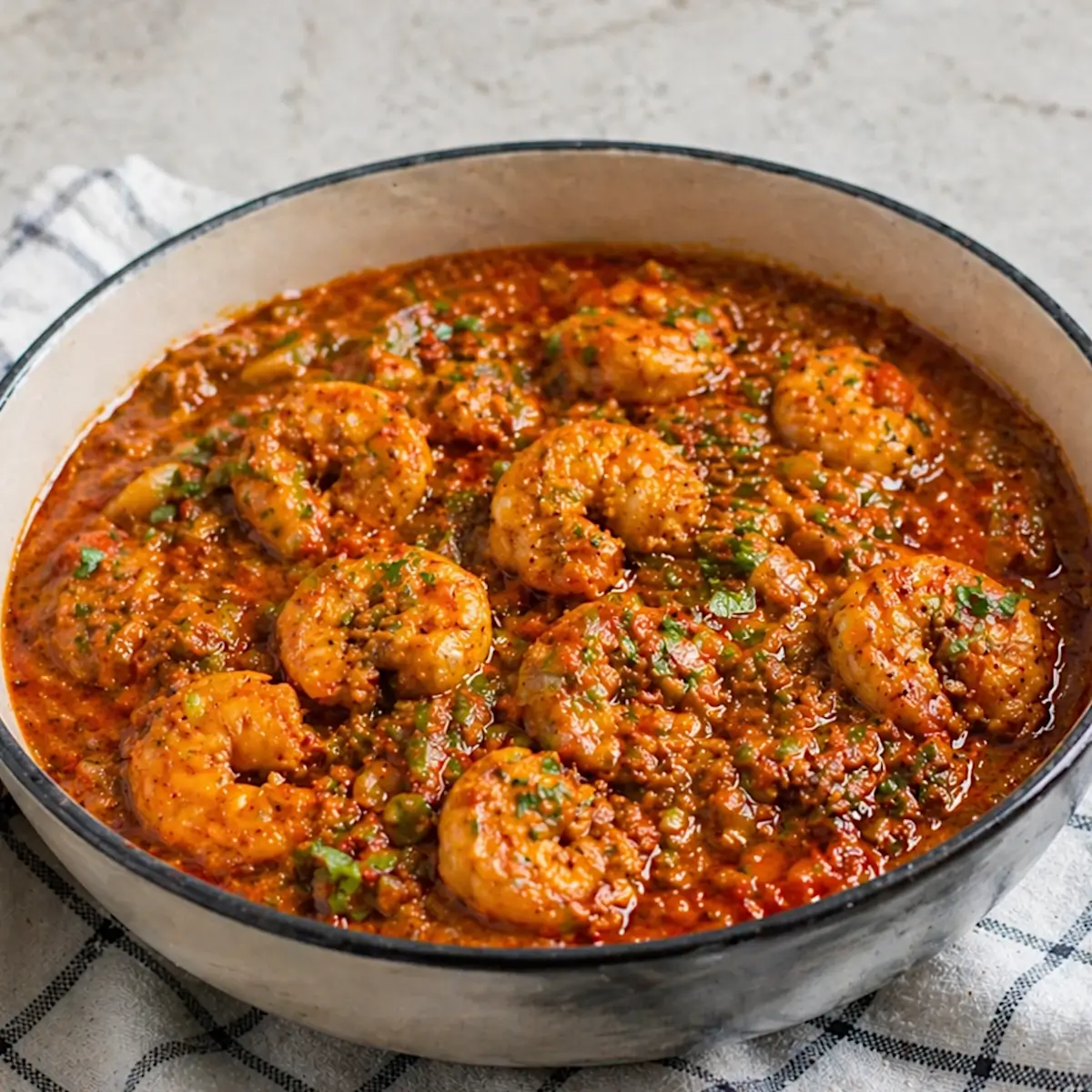
Large prawns (shrimp) are cooked in a rich, aromatic tomato-onion masala with warming Indian spices, creating a dish that is simultaneously fiery and comforting, with a thick, clingy sauce that begs to be scooped up with warm bread.
Prawn Masala is known by different names across India: Jhinga Masala in Hindi, Chingri Masala in Bengali, and simply Shrimp Masala in Indian restaurants across the USA and UK. In coastal Indian states like Goa, Kerala, Maharashtra, and West Bengal, prawn and shrimp curries are everyday home cooking, enjoyed with steamed rice or flatbread at nearly every meal. Outside India, the dish has become a popular restaurant order, particularly in cities with large Indian communities like New York, Chicago, Houston, and London. Now you can recreate it at home in less time than it takes to get delivery. Serve with naan, jeera rice, or paratha for a complete and satisfying meal.
Why You Will Love This Prawn Masala Recipe
- Ready in 30 minutes: One of the fastest Indian curry recipes on this site. Prawns cook in under 5 minutes making this a genuinely quick weeknight meal.
- Restaurant-quality flavor: The masala base is identical to the one used in Indian restaurants, giving you authentic results at home
- High in protein, low in calories: Prawns are one of the highest protein-to-calorie ratio foods available, making this an excellent healthy Indian meal
- All ingredients from regular US grocery stores: Fresh or frozen shrimp from any supermarket works perfectly
- Impressive for guests: The beautiful deep red color and rich aroma make this dish look and smell extraordinary
- Flexible heat level: Easy to adjust from mild to fiery based on your preference
Prawns vs Shrimp: What is the Difference?
In Indian recipes and British English, the word prawn is used for what Americans call shrimp. They are biologically slightly different creatures but are essentially interchangeable in cooking. When this recipe calls for prawns, use any size of shrimp available to you. Large or jumbo shrimp (16 to 20 count per pound) work best for this masala as they stay juicy and have the presence to hold up against the bold spice sauce. Medium shrimp work well too but cook even faster so watch them carefully.
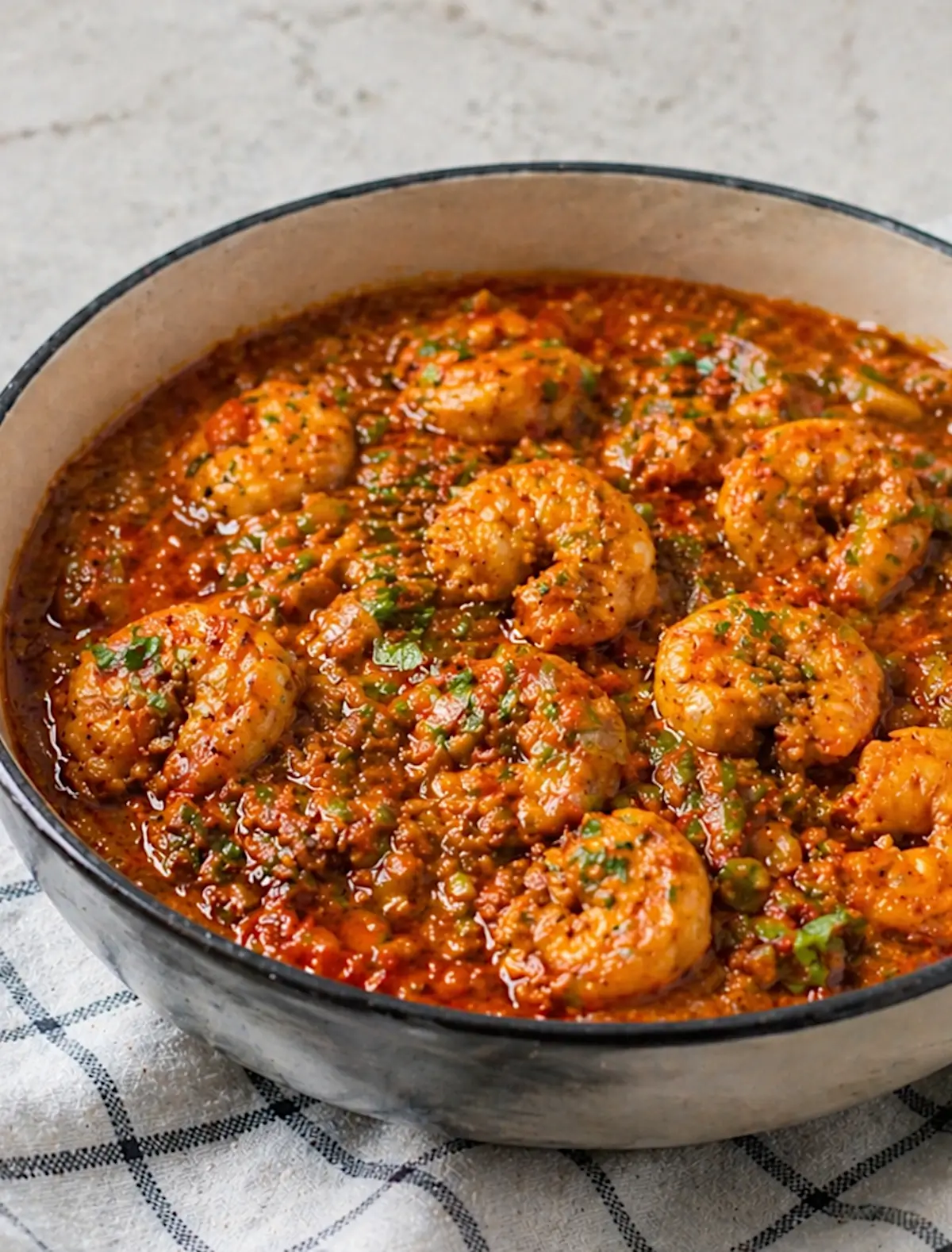
Ingredients for Prawn Masala (with Metric Measurements)
All measurements are given in US cups and spoons with metric equivalents in brackets for international readers.
For the Prawns
- 1.5 lbs (700g) large prawns (shrimp), peeled and deveined: Fresh or frozen both work perfectly. If using frozen, thaw completely under cold running water and pat dry with paper towels before cooking. Large or extra-large shrimp (16 to 20 or 21 to 25 count per pound) are ideal. Tail-on shrimp look more impressive and add a little extra flavor to the sauce.
- ½ teaspoon turmeric powder
- ½ teaspoon red chili powder
- ½ teaspoon salt
- 1 tablespoon lemon juice
For the Masala Base
- 3 tablespoons oil: Any neutral oil. A combination of oil and 1 tablespoon of butter or ghee gives the best flavor.
- 1 tablespoon butter or ghee: Ghee is available at Whole Foods, Costco, Trader Joe’s, and Amazon
- 1 teaspoon mustard seeds: Adds a nutty, slightly bitter pop of flavor that is characteristic of coastal Indian cooking
- 1 sprig fresh curry leaves: About 10 to 12 leaves. Available at Indian grocery stores. These are particularly important in South Indian and coastal prawn recipes and contribute a unique citrusy, aromatic quality.
- 2 large onions, finely chopped: About 2 cups (300g)
- 2 green chilies, slit lengthwise: Serrano or jalapeño peppers work perfectly as substitutes
- 1.5 tablespoons ginger-garlic paste: Or 5 garlic cloves and 1.5-inch fresh ginger, both finely minced
- 4 medium tomatoes, finely chopped: About 2 cups (480g). Or 1.5 cups canned crushed tomatoes. Use ripe, red tomatoes for the best color and flavor.
- 1.5 teaspoons red chili powder: Kashmiri red chili powder gives the most beautiful deep red color with moderate heat. Regular red chili powder gives more heat.
- 1 teaspoon coriander powder
- ½ teaspoon cumin powder
- ½ teaspoon turmeric powder
- 1 teaspoon garam masala: Added at the very end to preserve its aroma
- 1 teaspoon kasuri methi (dried fenugreek leaves): Available at Indian grocery stores and on Amazon. Adds the characteristic restaurant aroma.
- ¼ cup (60ml) water: Adjust for desired gravy consistency
- Salt to taste
For Garnish
- 3 tablespoons fresh cilantro, finely chopped
- Lemon wedges for serving
- Optional: a swirl of coconut milk for a coastal Indian finish
How to Make Prawn Masala: Step by Step
Step 1: Season and Rest the Prawns (10 minutes)
In a bowl, combine the cleaned prawns with turmeric, red chili powder, salt, and lemon juice. Toss well to coat every prawn evenly. Set aside for 10 minutes. This quick marinade seasons the prawns from the outside and the turmeric helps neutralize any fishy smell while the lemon juice adds brightness. Do not marinate prawns for longer than 15 to 20 minutes as the lemon juice will begin to cook the protein and change the texture.
Step 2: Build the Masala Base (15 minutes)
Heat oil and butter or ghee together in a large heavy-bottomed pan or wok over medium heat. Add the mustard seeds and wait for them to pop, about 30 seconds. Add the curry leaves carefully as they will splutter in the hot oil. Add the green chilies and stir for 30 seconds.
Add the finely chopped onions and cook over medium heat for 10 to 12 minutes, stirring regularly, until they turn deep golden brown. Add the ginger-garlic paste and cook for 2 minutes until the raw smell disappears completely. Add the chopped tomatoes and cook over medium heat for 6 to 7 minutes until they break down completely and the mixture starts releasing oil from the sides. This oil separation signals that the masala is properly cooked.
Add the red chili powder, coriander powder, cumin powder, and turmeric. Mix well and cook for 2 minutes to let the ground spices bloom in the oil. The masala base should be thick, dark red, and very fragrant at this stage.
Step 3: Cook the Prawns (5 to 6 minutes)
This is the most time-sensitive step in the entire recipe. Add the marinated prawns to the masala and toss well to coat every prawn in the thick sauce. Add water and stir to combine. Cook over medium-high heat for 4 to 5 minutes only, stirring gently every minute. Prawns are cooked when they turn pink and curl into a C shape. Do not cook beyond this point.
Overcooked prawns become rubbery, tough, and unpleasant. The single most important tip for cooking prawns of any kind is to stop cooking the moment they turn pink and curl. They will continue cooking slightly from residual heat after you turn off the burner.
Step 4: Finish and Serve
Add the garam masala and crushed kasuri methi. Stir well and cook for just 1 more minute. Taste and adjust salt as needed. Turn off the heat. Garnish generously with fresh chopped cilantro and serve immediately with lemon wedges on the side. Prawn Masala is best served hot and fresh, right from the pan.
Pro Tips for Perfect Prawn Masala
- Do not overcook the prawns: This deserves to be the first tip because overcooked rubbery prawns are the most common mistake in all shrimp and prawn cooking. Four to five minutes in the masala is all they need. Pink color and a C-shape curl means they are done.
- Pat prawns completely dry before cooking: Excess moisture on the surface of the prawns causes the masala to become watery and prevents the sauce from clinging properly. Dry thoroughly with paper towels after marinating.
- Build the masala properly before adding prawns: Do not rush the masala-building steps. The deep color and complex flavor of the finished dish comes from properly caramelized onions, completely cooked-down tomatoes, and well-bloomed spices. Prawns are added right at the end into a fully developed masala.
- Use fresh prawns if possible: Fresh prawns have a sweeter, more delicate flavor than frozen. If using frozen, thaw completely in cold water and pat completely dry to minimize excess moisture.
- Kashmiri chili powder for the best color: The deep restaurant-red color of Prawn Masala comes from Kashmiri red chili powder which is known for its brilliant color and moderate heat. Using regular red chili powder alone will give you more heat but less visual drama.
- Serve immediately: Unlike chicken or lamb curries that improve overnight, Prawn Masala is at its absolute best served fresh and hot immediately after cooking. Prawns continue to firm up even after cooking so the texture is best within 30 minutes of making.
Variations to Try
- Goan Prawn Masala: Add 3 tablespoons of coconut milk at the end and a teaspoon of Goan recheado masala paste for a coastal Goan variation. Check out our Goan Fish Curry for inspiration on the flavor profile.
- Kerala Prawn Masala: Replace oil with coconut oil, add a handful of fresh curry leaves, and stir in ¼ cup of thick coconut milk at the end for a Kerala-style version
- Dry Prawn Masala: Reduce the water to just 2 tablespoons and cook uncovered until the masala is almost dry and clings directly to the prawns for a drier, more intense street food style version
- Prawn Masala with Vegetables: Add sliced bell peppers, baby corn, or mushrooms along with the prawns for a more filling, vegetable-forward version
- Coconut Prawn Masala: Add ½ cup of coconut milk along with the water for a creamier, milder version that is particularly popular in South India
What to Serve with Prawn Masala
Prawn Masala pairs beautifully with both rice and Indian breads. The thick, clingy masala sauce is particularly good with bread for dipping.
- Naan: The classic restaurant pairing. Soft naan scoops up the deep red masala perfectly.
- Jeera Rice: Cumin-flavored basmati rice is an excellent pairing that complements the bold prawn masala
- Paratha: Flaky paratha is wonderful with the thick masala sauce
- Dosa: For a South Indian pairing, crispy dosa with prawn masala is extraordinary
- Lemon Rice: The tangy brightness of lemon rice pairs beautifully with the rich prawn masala
- Boondi Raita: A cooling yogurt side that balances the heat and richness of the curry
- Cucumber Salad: A fresh, light side that provides a refreshing contrast
Storage and Reheating Instructions
How to Store
Refrigerator: Store leftovers in an airtight container for up to 2 days. Note that prawns continue to firm up in the refrigerator and lose some of their tenderness compared to when freshly cooked. Prawn Masala does not keep as well as chicken or lamb curries and is always best eaten fresh.
Freezer: Freezing prawn curries is not recommended as prawns become very rubbery and tough after freezing and thawing. If you need to freeze, freeze the masala base separately without the prawns and add freshly cooked prawns when reheating.
How to Reheat
- Stovetop (best method): Reheat the masala in a pan over low heat with a splash of water, stirring gently. Add the prawns only in the last 2 minutes of reheating to warm them through without overcooking them further.
- Microwave: Heat in 60-second intervals on 50% power, stirring between each, until warmed through. Avoid full power which will toughen the prawns further.
Nutrition and Health Benefits
One serving of Prawn Masala (recipe serves 4) contains approximately:
- Calories: 280 kcal
- Protein: 32g
- Carbohydrates: 12g
- Fat: 12g
- Fiber: 2g
- Omega-3 fatty acids: 400mg
- Sodium: 480mg
At only 280 calories per serving with 32g of protein, Prawn Masala is one of the most calorie-efficient protein-dense healthy Indian recipes you can make. Prawns are one of the highest protein-to-calorie ratio foods in existence, containing almost pure protein with very little fat. They are also an excellent source of iodine which supports thyroid function, selenium which is a powerful antioxidant, and omega-3 fatty acids which support heart and brain health. The spice blend used in this recipe, particularly turmeric, coriander, and ginger, adds significant anti-inflammatory benefits. This is an ideal meal for anyone focused on weight management, muscle building, or heart health.
Frequently Asked Questions
Absolutely. Frozen shrimp work perfectly and are widely available at every US grocery store. Thaw them completely under cold running water for 5 minutes, then pat dry thoroughly with paper towels. The key is making sure they are completely thawed and as dry as possible before adding to the masala to prevent the curry from becoming watery.
Large or extra-large shrimp (labeled 16 to 20 or 21 to 25 count per pound at US grocery stores) work best for Prawn Masala. They are substantial enough to stand up to the bold masala and stay juicy during the brief cooking time. Medium shrimp (31 to 40 count) work but cook even faster so reduce the cooking time to 3 minutes. Avoid small or tiny shrimp as they overcook almost instantly and get lost in the thick masala.
Prawns are cooked when they turn from grey and translucent to pink and opaque, and they curl into a C shape. If they curl all the way into a tight O shape they are overcooked. This transformation happens very quickly, usually in 3 to 4 minutes. Watch them closely during this step as the difference between perfectly cooked and overcooked prawns is often just 1 extra minute.
Yes, with a smart approach. Make the masala base completely up to a day ahead and store it in the refrigerator. When your guests arrive, reheat the masala in a pan and add fresh raw prawns directly to the hot masala. They will cook in 4 to 5 minutes and be perfectly fresh when served. This is the best strategy for entertaining and means you spend almost no time in the kitchen while guests are present.
Prawn Masala and Prawn Curry are closely related but slightly different. Prawn Curry typically has more liquid and a thinner, soupier gravy similar to a traditional Indian curry. Prawn Masala has a thicker, drier sauce where the masala clings directly to the prawns rather than forming a pool of gravy around them. Both are delicious but have different textures and are suited to different accompaniments.