Paneer Wrap Recipe Indian Style (Spiced Paneer Kathi Roll)
If you are looking for an Indian recipe that works equally well as a quick weeknight dinner, a packed lunch, a party appetizer, or a satisfying snack, the Indian Paneer Wrap checks every single box. Known in India as a Paneer Kathi Roll, this is one of the most beloved street foods of Kolkata that has spread across the entire country and now has devoted fans worldwide.
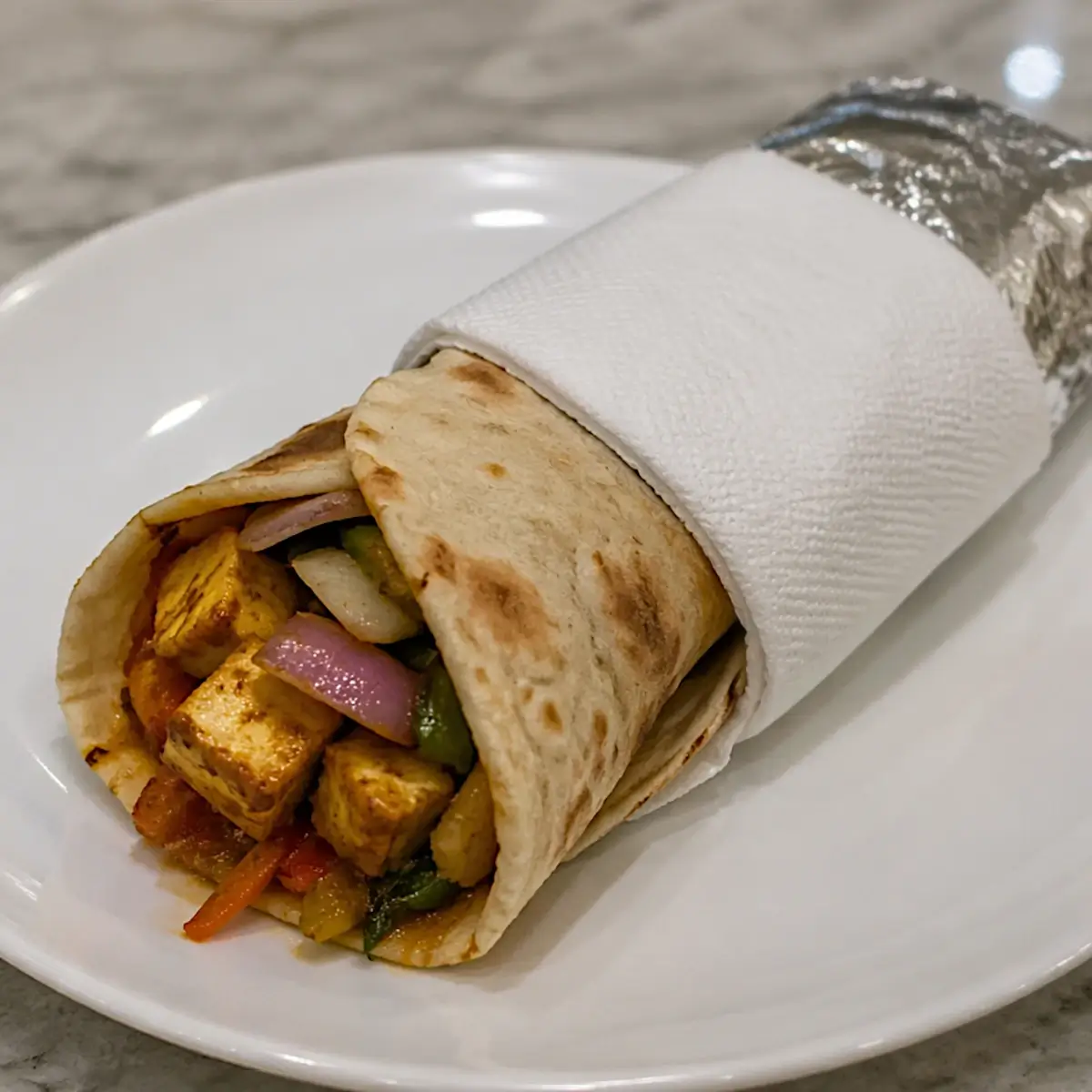
The concept is brilliantly simple: boldly spiced, pan-cooked paneer and vegetables are wrapped in a soft, lightly charred flatbread with tangy chutneys, crisp onions, and a squeeze of lemon. The result is a handheld meal that is messy, fragrant, satisfying, and genuinely delicious.
The original Kolkata kathi roll uses a paratha as its base, traditionally layered with egg, which adds richness and creates a sealed surface. Our version offers both the traditional paratha base and a simpler flatbread or tortilla option for those who want speed without sacrificing flavor. The filling uses paneer marinated and cooked in a tikka-style spice blend, making it a close cousin of Paneer Tikka but adapted for wrapping rather than eating as a starter.
For the Indian diaspora and Indian food enthusiasts, this recipe is a revelation because it makes Indian flavors completely portable and practical. Using flour tortillas as the wrap base, which are available in every American supermarket, makes this recipe genuinely pantry-friendly without compromising the authentic Indian flavor of the filling. Serve with mint chutney, tamarind chutney, or both layered together for the full street food experience.
Why You Will Love This Paneer Wrap Recipe
- Ready in 25 minutes: One of the fastest complete Indian meals available, including marination time.
- Completely portable: Perfect for packed lunches, picnics, road trips, kids’ lunchboxes, and meal prep.
- High protein and filling: Paneer provides complete protein and the wrap format makes it a genuinely satisfying meal rather than a snack.
- Works with many wrap bases: Paratha, plain roti, flour tortilla, whole wheat tortilla, or naan all work beautifully, giving you flexibility based on what you have.
- Crowd-pleasing for all ages: Adjust the spice level to make it kid-friendly or turn it up for heat lovers.
- Excellent for entertaining: Set up a DIY wrap station with fillings and chutneys and let guests assemble their own. Always a hit at parties.
The Two-Component Strategy for a Great Indian Wrap
A great Indian Paneer Wrap has two equally important components, and both must be executed well for the final result to be outstanding.
The first is the paneer filling. This needs to be boldly spiced, slightly charred, and moist but not wet. Wet filling makes the wrap soggy from the inside. The paneer and vegetables should be cooked over high heat in a very hot pan so they char and caramelize rather than steam. The spice blend should be assertive enough to carry through the layers of wrap, chutney, and vegetables without getting lost.
The second is the assembly strategy. The order in which you layer the wrap components matters significantly. Chutney goes directly on the warm flatbread first so it soaks in slightly. Then comes the warm paneer filling, then the crisp, fresh vegetables that add texture and temperature contrast, then a final squeeze of lemon. Rolling the wrap tightly and pressing it briefly in a hot pan seals the flavors together and creates a wrap that holds its shape while being eaten.
Wrap Base Options
- Paratha (most traditional): Use plain paratha for the most authentic kathi roll experience. The flaky, layered paratha absorbs the chutney and filling beautifully and is the original base of the Kolkata kathi roll.
- Flour tortilla (most convenient): Large, burrito-sized flour tortillas are an excellent substitute for paratha and are available at every American supermarket. Warm them briefly in a dry pan before filling.
- Whole wheat tortilla: A healthier alternative that works very well and adds a slightly nutty flavor.
- Naan: Use a half piece of naan as an open flatbread wrap rather than a rolled wrap. The softer, thicker naan works better as an open fold than a tight roll.
- Roti or chapati: The thinnest and most traditional Indian flatbread option. Rolls and holds very tightly.
Ingredients for Paneer Wrap Indian Style (with Metric Measurements)
All measurements are given in US cups and spoons with metric equivalents in brackets for international readers. Recipe makes 4 wraps.
For the Paneer Filling
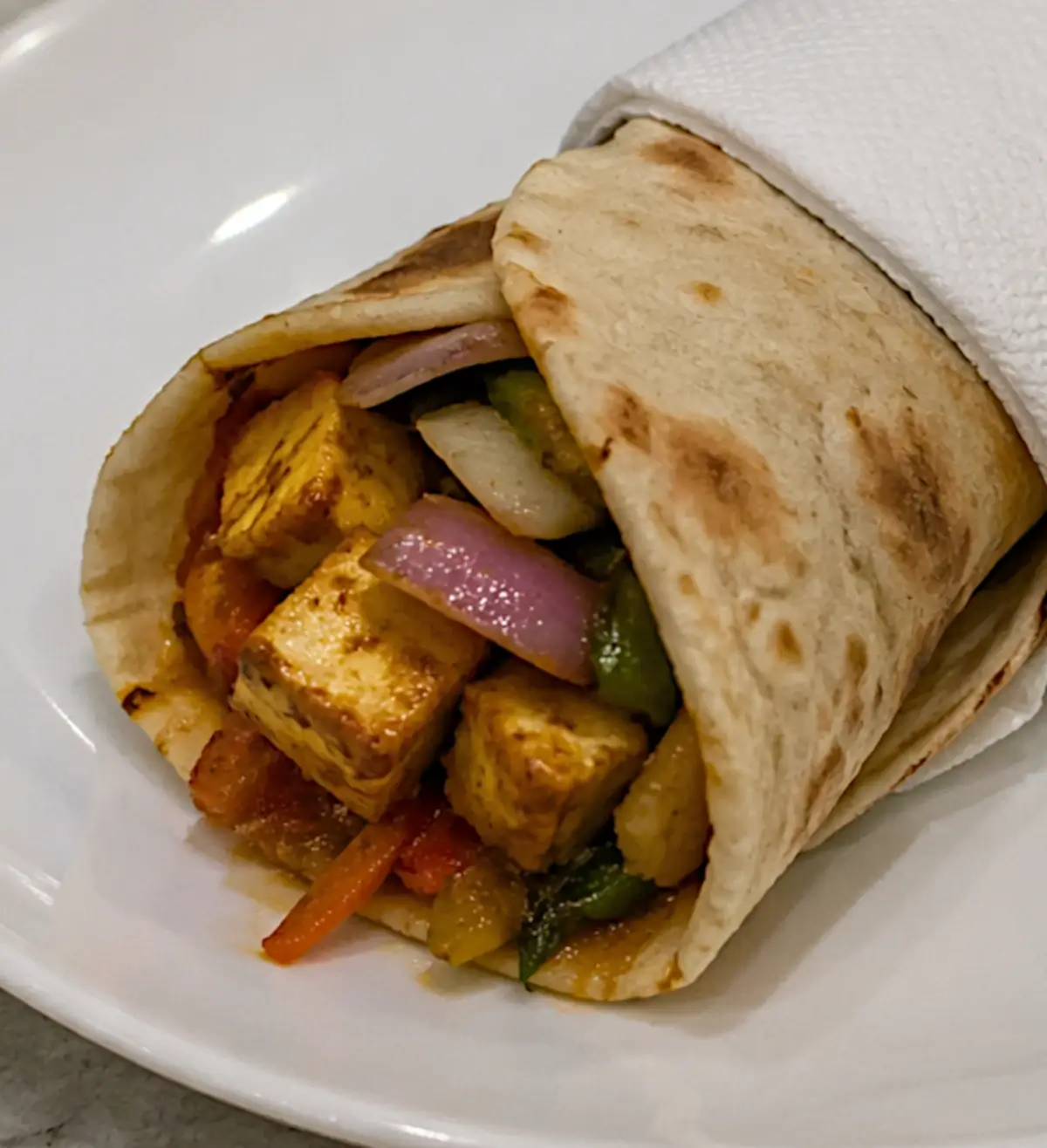
- 14 oz (400g) paneer: Cut into thin strips or small cubes, approximately half an inch each. Thin strips are better for wrapping as they distribute evenly.
- 1 large green bell pepper: Cut into thin strips. About 1 cup (120g).
- 1 large red bell pepper: Cut into thin strips. Adds sweetness and color.
- 1 large onion: Thinly sliced into rings then halved. About 1.5 cups (180g).
- 2 tablespoons neutral oil or butter
For the Paneer Marinade
- 3 tablespoons plain yogurt: Greek yogurt preferred for thicker coating.
- 1 tablespoon lemon juice
- 1 tablespoon ginger-garlic paste
- 1.5 teaspoons Kashmiri red chili powder
- 1 teaspoon coriander powder
- Half teaspoon garam masala
- Half teaspoon turmeric powder
- Half teaspoon cumin powder
- Half teaspoon chaat masala: Available at Indian grocery stores and Amazon. Adds the authentic street food tanginess.
- 1 tablespoon oil
- Salt to taste
For the Wrap Assembly
- 4 large flatbreads: Paratha, flour tortillas (10-inch), or whole wheat tortillas. See guide above.
- 4 tablespoons mint chutney: See mint chutney recipe. Use store-bought if short on time.
- 2 tablespoons tamarind chutney: See tamarind chutney recipe. Adds deep sweet-tangy complexity.
- 1 medium red onion, very thinly sliced: Raw, for crunch and sharpness inside the wrap.
- 1 cup shredded iceberg or romaine lettuce: Adds cool crunch. Very popular in the diaspora version of kathi rolls.
- 1 medium tomato, deseeded and finely diced
- 1 teaspoon chaat masala: Sprinkled over the filling before rolling.
- Lemon wedges: For squeezing over the filling before rolling. Non-negotiable.
Optional Additions
- Sriracha or hot sauce: For extra heat, particularly popular with audiences.
- Sliced avocado: A very popular addition in the Indian diaspora that adds creaminess.
- Fried egg: The traditional Kolkata kathi roll cracks an egg directly onto the paratha while it cooks, creating a sealed, protein-rich base. Highly recommended for the most authentic version.
How to Make Indian Paneer Wrap Step by Step
Step 1: Marinate the Paneer
In a mixing bowl, combine all the marinade ingredients: yogurt, lemon juice, ginger-garlic paste, Kashmiri chili, coriander, garam masala, turmeric, cumin, chaat masala, oil, and salt. Mix well into a smooth paste. Add the paneer strips and gently toss to coat all surfaces. Let the paneer marinate for at least 15 minutes and up to 2 hours in the refrigerator. Even 15 minutes makes a significant flavor difference.
Step 2: Cook the Paneer and Vegetables
Heat oil in a wide, heavy pan or cast iron skillet over high heat until very hot. The high heat is essential for getting char marks and preventing the filling from becoming soggy. Add the marinated paneer in a single layer and cook undisturbed for 1.5 to 2 minutes until the bottom develops char marks and caramelization. Flip and cook for another 1 to 2 minutes. Remove the paneer to a plate. In the same hot pan, add the sliced bell peppers and onion. Toss over high heat for 2 to 3 minutes until lightly charred but still retaining some crunch and color. Season with a pinch of salt and chaat masala. Combine the paneer back with the vegetables in the pan and toss together for 30 seconds. The filling should be hot, slightly charred, and boldly fragrant. Remove from heat.
Step 3: Warm the Flatbreads
Heat a tawa, flat pan, or dry skillet over medium-high heat. Warm each flatbread for 30 to 45 seconds per side until soft, pliable, and with light char marks. If using paratha, cook from raw at this stage following the paratha recipe. For the traditional egg kathi roll, crack one egg onto the centre of the paratha in the final 30 seconds of cooking, let it set slightly, then flip the paratha egg-side down for 20 seconds to set the egg while keeping it soft. Keep the flatbreads warm wrapped in a clean kitchen towel until ready to assemble.
Step 4: Assemble the Wraps
Lay a warm flatbread flat on a work surface. Spread 1 tablespoon of mint chutney down the centre. Add half a tablespoon of tamarind chutney alongside the mint chutney. Place a generous portion of the hot paneer and vegetable filling down the centre of the flatbread, leaving about 2 inches clear at the bottom and sides. Scatter a few thin slices of raw red onion, a small handful of shredded lettuce, and a tablespoon of diced tomato over the filling. Sprinkle a pinch of chaat masala over the top. Squeeze fresh lemon juice generously over the filling before rolling.
Step 5: Roll and Seal
Fold the bottom of the flatbread up over the filling. Fold one side over tightly and then roll firmly in the same direction, keeping the roll as tight as possible. The tighter the roll, the better the wrap holds together when eating. Optionally, place the assembled wrap seam-side down in the hot pan for 30 seconds to 1 minute, pressing gently, to seal the wrap and give the exterior a slight crisp. Wrap in parchment paper or aluminum foil from the bottom up, leaving the top exposed for eating. This also helps hold the wrap together while eating.
Pro Tips for the Best Paneer Wrap
- High heat for the filling is essential: The char marks and caramelization from high heat cooking are what separate a great wrap filling from a bland, steamed one. Do not cook on medium heat and do not crowd the pan.
- Do not overfill: Overfilled wraps burst and are impossible to eat. A moderate, even filling that leaves space for rolling is far better than a packed-to-bursting roll that falls apart immediately.
- Warm the flatbread just before filling: A warm flatbread is pliable and rolls without cracking. A cold flatbread tears. Always warm immediately before assembling.
- Lemon before rolling is non-negotiable: The squeeze of lemon inside the wrap before rolling is the step that makes everything taste alive. Do not skip it or add it after rolling.
- Layer chutneys before the filling, not on top: Applying chutneys directly to the warm flatbread before adding the filling allows them to soak in slightly and integrate with every bite, rather than sitting in a separate wet layer.
- Press-seal the assembled wrap in a hot pan: This optional but highly recommended step seals the wrap, crisps the exterior slightly, and fuses the components together in a way that dramatically improves the eating experience.
Make-Ahead and Meal Prep Tips
Paneer Wraps are one of the best Indian meal prep options available. The paneer filling can be cooked up to 3 days ahead and refrigerated. Reheat in a hot pan for 2 minutes before assembling. The chutneys keep refrigerated for up to 1 week. Assemble wraps fresh just before eating for the best texture. For packed lunches, assemble in the morning, wrap tightly in foil, and refrigerate. The wrap will be perfectly good at room temperature for 4 to 5 hours, making it excellent for office lunches.
Variations of Paneer Wrap
Achari Paneer Wrap
Add half a teaspoon each of nigella seeds and fennel seeds to the marinade for a pickle-spiced version that is particularly bold and flavorful.
Malai Paneer Wrap (Milder, Creamier)
Replace the Kashmiri chili with half a teaspoon of white pepper and add 2 tablespoons of cream to the marinade. This lighter, creamier version is excellent for children or spice-sensitive guests.
Breakfast Paneer Wrap
Add 2 scrambled eggs to the paneer filling for a high-protein breakfast wrap that works brilliantly with the Indian spicing.
Vegan Paneer Wrap
Replace the paneer with extra-firm tofu, pressed and cut into strips. Replace the yogurt in the marinade with coconut yogurt. The wrap and all chutneys are already vegan.
What to Serve with Paneer Wraps
- Mint Chutney: The essential dipping sauce alongside. Even if you use mint chutney inside the wrap, having extra on the side for dipping is very satisfying.
- Tamarind Chutney: For an extra sweet-tangy dipping option alongside the wrap.
- Boondi Raita: A cooling yogurt side that pairs very well with the spiced paneer wrap.
- Cucumber Salad: A light, refreshing side salad that complements the bold wrap filling.
- Sweet potato fries: For a completely satisfying Indian-Western fusion meal, serve paneer wraps with oven-baked sweet potato fries.
- Tomato Soup: A warm Indian tomato soup alongside a paneer wrap makes a deeply comforting complete meal.
Storage and Reheating Instructions
How to Store
Filling only: Store the cooked paneer filling separately in an airtight container for up to 3 days in the refrigerator. Assemble wraps fresh each time using the stored filling.
Assembled wraps: Wrap tightly in foil and refrigerate for up to 1 day. The wrap softens overnight but remains very good for packed lunches.
How to Reheat
- Filling: Reheat in a hot pan for 2 to 3 minutes, tossing until heated through and slightly charred again.
- Assembled wrap: Heat the foil-wrapped wrap in a 350°F (175°C) oven for 10 minutes, or place in a hot pan for 2 minutes per side.
Nutrition and Health Benefits
One Paneer Wrap (recipe makes 4) contains approximately:
- Calories: 420 kcal
- Protein: 22g
- Carbohydrates: 38g
- Fat: 20g
- Fiber: 4g
- Calcium: 32% of daily recommended value
- Sodium: 540mg
The Indian Paneer Wrap is one of the most nutritionally balanced quick Indian meals available. Paneer provides complete protein and calcium. The bell peppers deliver an extraordinary amount of vitamin C, with red bell pepper containing over 200% of the daily recommended value per cup. The flatbread provides complex carbohydrates for sustained energy. The chutneys add antioxidants from fresh mint and tamarind. For a meal that takes 25 minutes to make, the nutritional return is exceptional and genuinely supports a healthy diet.
Frequently Asked Questions
Yes. Store-bought mint chutney and tamarind chutney are widely available at Indian grocery stores and on Amazon. Brands like Swad, Deep, and Shan make good quality chutneys. Homemade chutneys have a significantly fresher flavor, but store-bought is a perfectly acceptable time-saving option for weeknight cooking.
Yes. Cook the paneer filling up to 2 hours ahead and keep warm. Set up a DIY wrap station with all the components: warm flatbreads wrapped in foil, filling in a warm pan, chutneys in bowls, and vegetables in separate small bowls. Let guests assemble their own wraps. This format is always popular at parties and requires minimal last-minute work from the host.
A Kathi Roll is the Indian original, traditionally made with a layered egg paratha as the base and specific Kolkata-style fillings and spicing. An Indian Paneer Wrap is the broader, more flexible category that includes any Indian-spiced paneer filling in any flatbread. The Kathi Roll is the most specific and traditional version. Both are delicious.