Mutton Kosha Recipe (Kosha Mangsho)
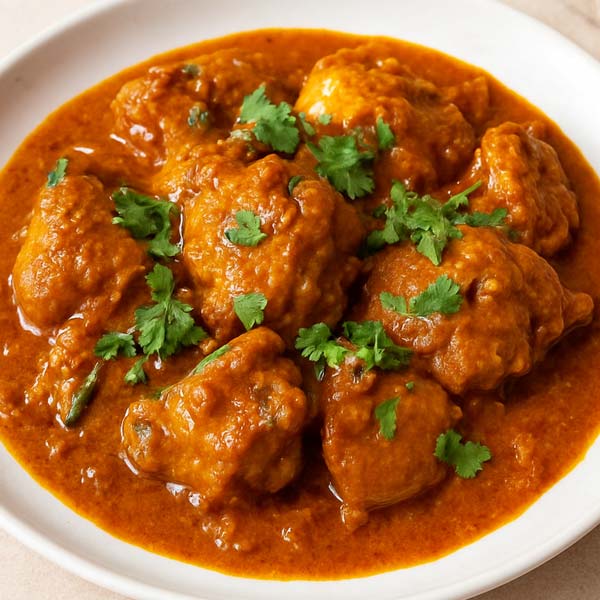
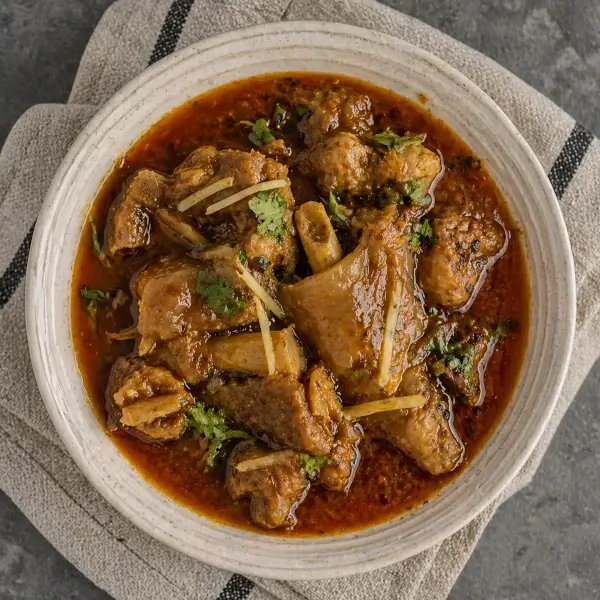
Mutton Kosha is a rich and spicy Bengali-style curry made with tender mutton pieces slow-cooked in aromatic spices for a flavorful, hearty Indian non vegetarian meal.
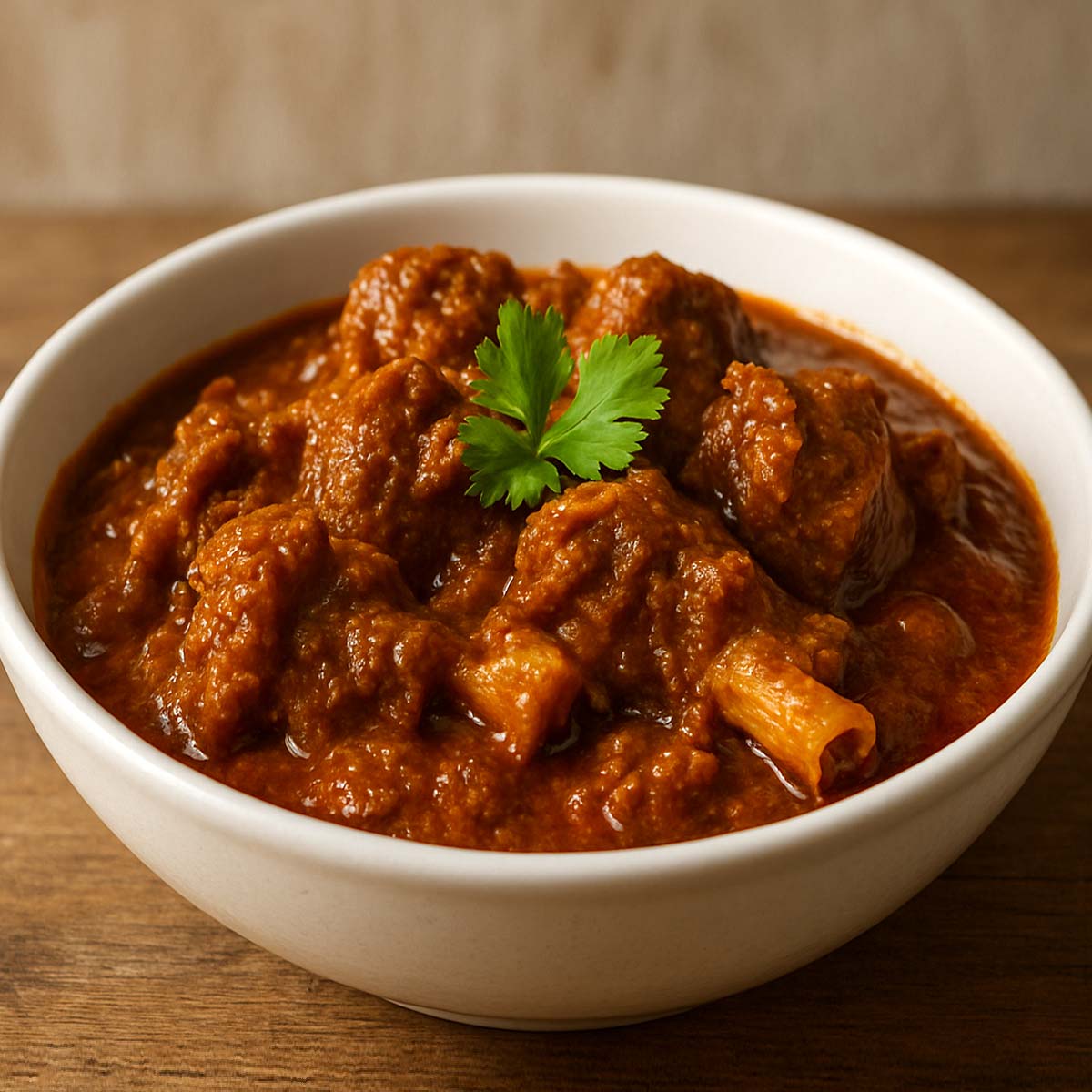
Bengali Mutton Kosha, also known as Kosha Mangsho, is a rich and flavorful slow-cooked mutton curry that is a beloved classic in Bengali cuisine. This dish features tender pieces of mutton marinated with yogurt, garlic, and ginger, then cooked in a blend of aromatic spices like bay leaves, cinnamon, cardamoms, and cloves, creating a thick, spicy, and aromatic gravy. Perfect for festive occasions or a hearty family meal, this authentic Bengali mutton curry pairs beautifully with steamed basmati rice or Indian breads like roti and paratha. If you’re looking for an easy-to-follow mutton curry recipe, this Bengali style Kosha Mangsho offers a perfect balance of traditional flavors and robust spices that will satisfy your craving for authentic Indian non-vegetarian dishes.
What is Mutton?
Mutton refers to the meat of mature sheep and is a staple protein in many cuisines around the world, including Indian, Middle Eastern, and European cooking. Unlike lamb, which comes from younger sheep, mutton has a stronger flavor and firmer texture, making it ideal for slow-cooked dishes like curries and stews. In Indian cooking, especially in regions like Bengal, Rajasthan, and the Kerala which is in South India, mutton is highly prized for its rich taste and ability to absorb spices deeply during long cooking processes. The slightly gamey flavor of mutton pairs well with bold spices and robust cooking techniques, resulting in hearty and aromatic dishes that are cherished family favorites.
Ingredients and Substitutes
- Mutton (500 grams): I used fresh mutton pieces with a good mix of meat and fat for richness. You can also use lamb or goat meat depending on what’s available or your preference. Goat meat tends to be leaner and slightly gamier, but works well too.
- Garlic paste: I prefer using fresh garlic paste for its strong aroma and flavor. If you don’t have garlic paste, you can finely mince fresh garlic or even use garlic powder in small amounts, though fresh works best.
- Ginger paste: Fresh ginger paste adds a sharp, spicy note. Alternatively, freshly grated ginger works well, or you can use dried ginger powder if necessary, but use less as it’s more concentrated.
- Yogurt: The yogurt tenderizes the meat and adds a slight tanginess. If you don’t have yogurt, sour cream or buttermilk are good substitutes and will provide similar tenderizing effects.
- Salt: Add salt to taste. I usually start with about a teaspoon and adjust later during cooking.
- Onions : I used 250 grams chopped onions for the marinade to infuse flavor deeply, and another 250 grams finely chopped for sautéing, which caramelizes and builds the base flavor. Shallots or red onions can be used as alternatives if you prefer a milder or sweeter taste.
- Oil: I used vegetable oil for cooking, but mustard oil is traditional in Bengali cooking and imparts a distinct pungent flavor that enhances the dish. If you like, try half mustard oil and half vegetable oil for balance.
- Bay leaves: These add a subtle herbal aroma. Fresh or dried bay leaves both work fine.
- Cinnamon stick: I add 1 piece, about 2 inches cinnamon stick to give warmth and depth to the curry.
- Dry red chilies: These add smokiness and mild heat. If you don’t have whole dry chilies, you can substitute with ½ teaspoon red chili flakes or adjust to taste with red chili powder.
- Green chilies: I like the fresh heat and slight sharpness green chilies provide. If unavailable, jalapeños or serrano peppers are good substitutes and add a similar kick.
- Cloves: Cloves bring a sweet, aromatic flavor that complements the meat well.
- Black cardamoms: These have a smoky, earthy flavor crucial for authentic Bengali Kosha Mangsho. If you can’t find black cardamoms, green cardamoms are milder but acceptable substitutes.
- Mace: Adds a subtle warm spiciness. If you don’t have mace, you can omit it, though it does contribute uniquely to the aroma.
- Black peppercorns (to taste): Fresh peppercorns give a sharp bite and enhance the overall spice profile.
- Turmeric powder: For a warm color and subtle earthiness.
- Cumin powder: Adds a nutty, warming flavor to balance the spices.
- Coriander powder: Gives a fresh, citrusy flavor that lightens the heaviness of the meat.
- Red chili powder: Adds heat and color; you can adjust based on your spice preference.
- Ginger-garlic paste: I add this for an extra punch of flavor during cooking. If you prefer, mix equal parts freshly grated ginger and minced garlic instead.
You make also like: Rogan Josh, Butter Chicken
Tips for Making Mutton Kosha
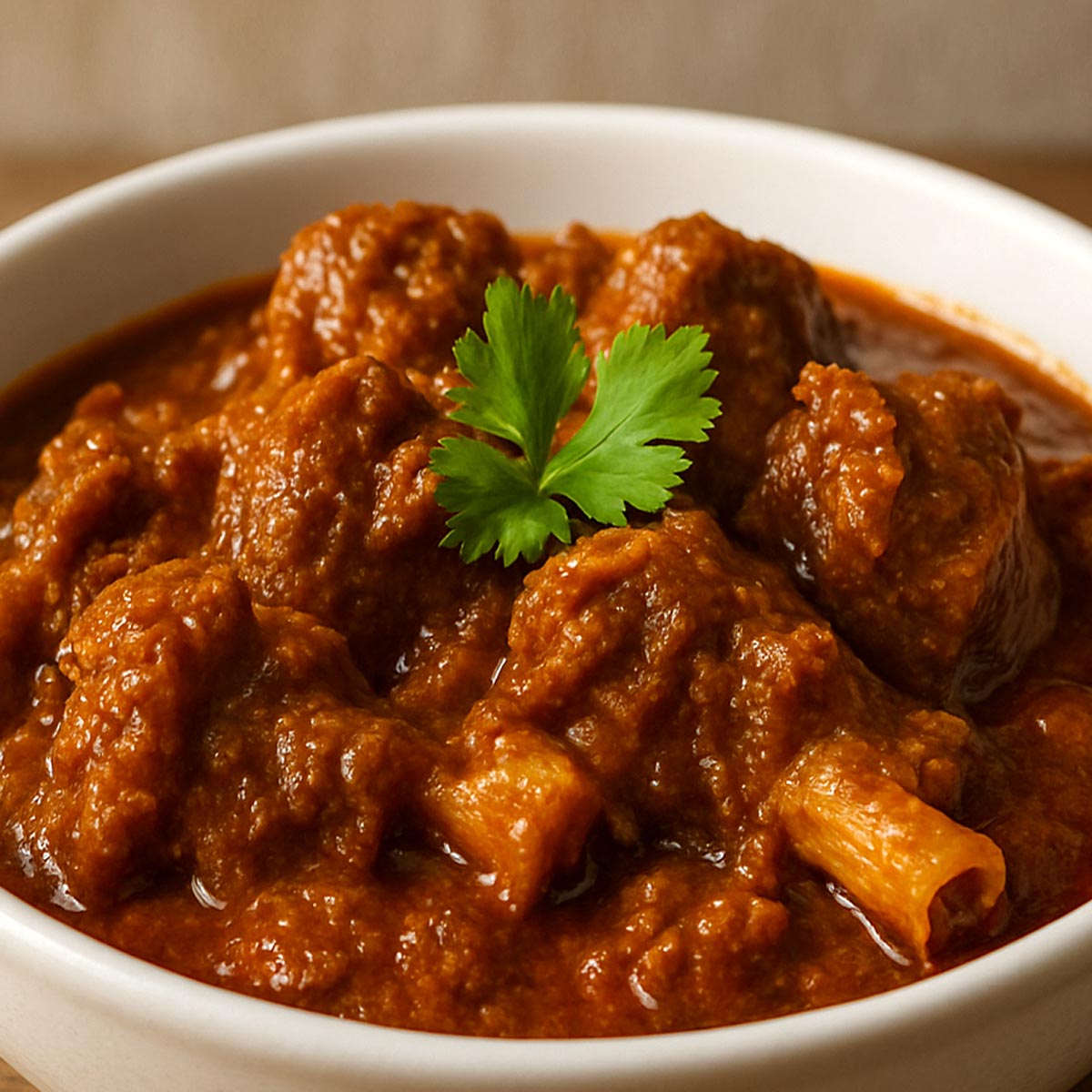
For cooking the best Mutton Kosha, always use fresh mutton and marinate it well to make it tender and flavorful. Add the mutton pieces to marination mixture and hand-mix thoroughly, ensuring all pieces of mutton are well coated. Cover with a clean cloth and set aside to marinate for at least 30 minutes to allow the flavors to infuse.
Sauté the whole spices for about 1 minute until they release a fragrant aroma. Cook the curry on medium flame, stirring occasionally, until the mutton becomes tender. Always allow the mutton curry to simmer slowly so the spices blend perfectly with the meat. Use freshly ground whole spices for a rich aroma, and fry onions until golden brown to avoid a raw or bitter taste. Adjust green chilies and spice levels according to your preference, and serve the juicy Indian non veg mutton dish hot with steamed rice, roti, or parathas. Leftovers taste even better the next day as the flavors deepen.
Serving Suggestions for Mutton Kosha
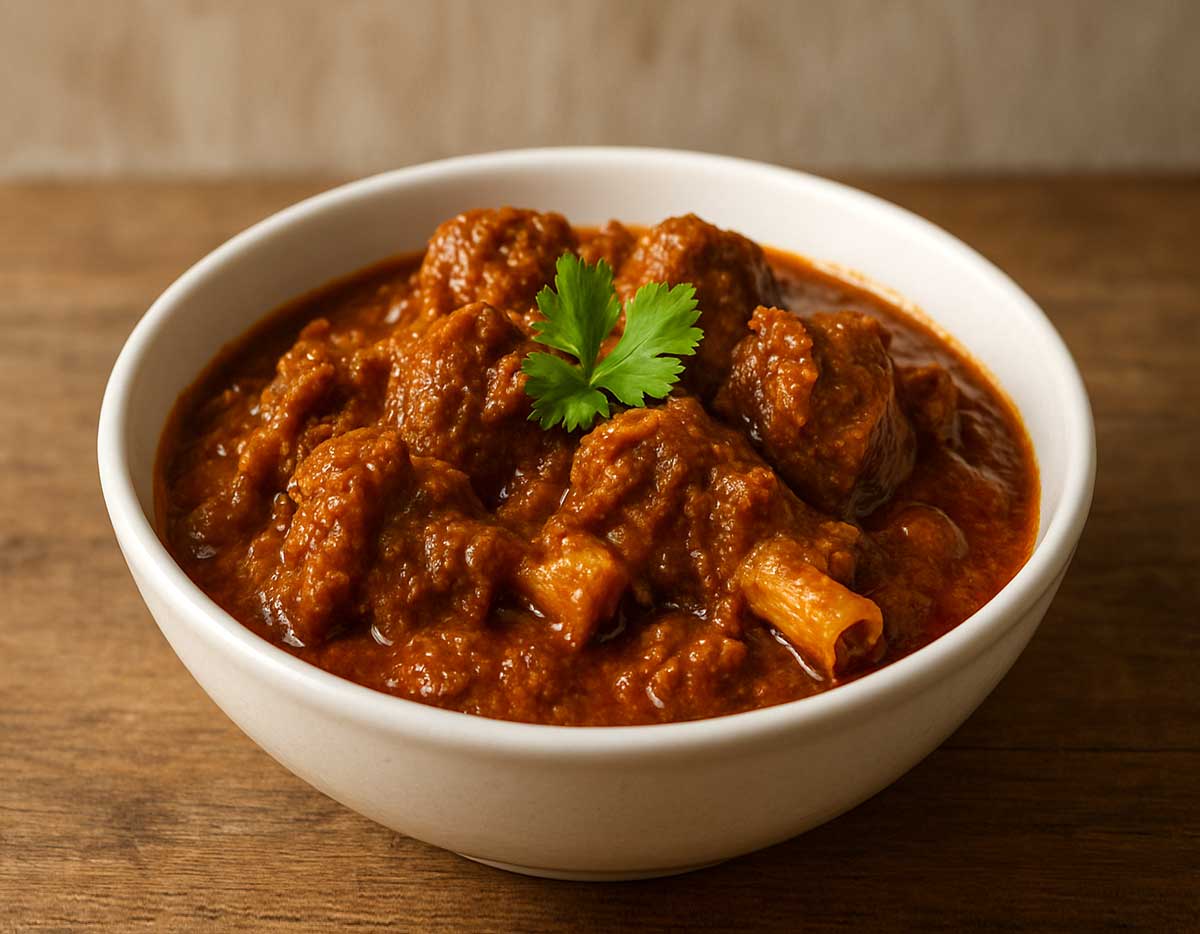
Bengali Mutton Kosha is best enjoyed with plain steamed rice or fragrant basmati rice. The thick, spicy gravy pairs perfectly with the mildness of the rice, allowing the rich flavors of the slow-cooked mutton to shine.
You can also serve it with Indian breads like roti, paratha, or naan. Tear a piece of bread and scoop up the tender mutton and gravy for a traditional and satisfying experience. For a more aromatic twist, try serving it with cumin-flavored jeera rice or lightly spiced pulao.
To enhance the flavors, garnish the Kosha Mangsho with freshly chopped coriander leaves or slit green chilies. Adding a side of plain yogurt, raita, or pickles can help balance the spices and add a refreshing touch to the meal, making it perfect for everyday meals or festive occasions.
Frequently asked questions
Bengali Mutton Kosha, also called Kosha Mangsho, is a traditional Bengali slow-cooked mutton curry. The meat is marinated and cooked in a blend of spices to create a thick, flavorful, and aromatic gravy. It’s rich, spicy, and perfect with rice or Indian breads.
Yes! Lamb or goat meat can be used as a substitute. Goat meat has a slightly leaner texture, while lamb is milder in flavor. Both absorb spices well and work beautifully in this recipe.
Slow cooking is key. Cook the marinated mutton on medium flame for 12–15 minutes (or longer if using a pressure cooker, about 30–40 minutes) until the meat becomes soft and juicy. Adding yogurt in the marinade also helps tenderize it.
It pairs wonderfully with steamed basmati rice, plain parathas, rotis, or even naan. The thick gravy complements any simple Indian bread.
Yes! Kosha Mangsho is naturally gluten-free, as it’s made with meat, yogurt, and spices. Just ensure any store-bought spice powders are gluten-free.
Recipe Card
Mutton Kosha Recipe (Kosha Mangsho)
Equipment
- 1 Deep frying pan
- 1 Stirring spoon
- 1 Pressure Cooker (optional, for faster cooking)
- 2 Mixing bowls
- 1 Knife and chopping board
Ingredients
- 500 grams Mutton cut into pieces
- 2 tbsp Garlic paste
- 2 tbsp Ginger paste
- 2 tbsp Yogurt
- Salt to taste
- 250 grams Chopped onions
- 3 tbsp Oil vegetable or mustard oil
- 3 Bay leaves
- 1 piece Cinnamon stick 2-inch
- 2 Dry red chilies
- 6 Green chilies plus extra for garnish
- 6 Cloves
- 2 Black cardamoms
- 1 small piece Mace
- Black peppercorns to taste
- 250 grams Chopped onions
- 1 tbsp Ginger-garlic paste
- 1 tsp Turmeric powder
- 1 tsp Cumin powder
- 1 tsp Coriander powder
- 1 tsp Red chili powder
- Fresh coriander leaves for garnish
Instructions
- Marination: Take 500 grams of fresh mutton pieces and place them in a large bowl. Add 100 grams of finely chopped onions, mix well with your hands, and ensure every piece of mutton is coated. Cover the bowl and set it aside for at least 30 minutes. This marination step enhances the flavor and ensures authentic Bengali-style mutton kosha with a rich taste.
- Tempering Spices: Heat 3 tablespoons of mustard oil in a deep frying pan or kadhai over medium flame. Once the oil is hot, add 3 bay leaves, 1 cinnamon stick (about 2 inches), 2 dry red chilies, 6 slit green chilies, 6 cloves, 2 black cardamoms, 1 small piece of mace, and ½ teaspoon black peppercorns. Sauté the whole spices for about a minute until they release a strong aroma, creating the classic base for this spicy Indian mutton curry.
- Preparing the Masala: Add 250 grams of finely chopped onions to the hot oil and sauté until they turn golden brown. Next, stir in 1 tablespoon of ginger-garlic paste and cook for another minute to remove the raw flavor. Sprinkle ½ teaspoon turmeric powder, 1 teaspoon cumin powder, 1 teaspoon coriander powder, and 1 teaspoon red chili powder. Mix thoroughly so the onions are coated with spices, giving the curry its signature deep flavor and color.
- Cooking the Mutton: Add the marinated 500 grams of mutton pieces into the onion-spice masala. Stir well to coat the meat evenly with the rich masala. Cover the pan and cook on medium heat for 12–15 minutes, stirring occasionally, until the mutton starts turning tender. This slow cooking makes the Bengali kosha mutton juicy and flavorful.
- Final Touch: Add 2–3 chopped green chilies to the pan and cook for another 5 minutes, allowing the mutton curry to become spicier and juicier. Once the oil begins to separate from the masala and the mutton is fully tender, garnish with fresh coriander leaves. Serve hot mutton kosha with steamed basmati rice, luchi, or parathas for an authentic Bengali meal.
Notes
- Use mustard oil for authentic Bengali flavor in the dish.
- Slow cooking enhances the richness of the gravy.
- Adjust green chilies and red chili powder for desired spiciness.
- Note: The calorie count may vary depending on the cut of mutton, the type of oil used, and the exact quantity of spices.