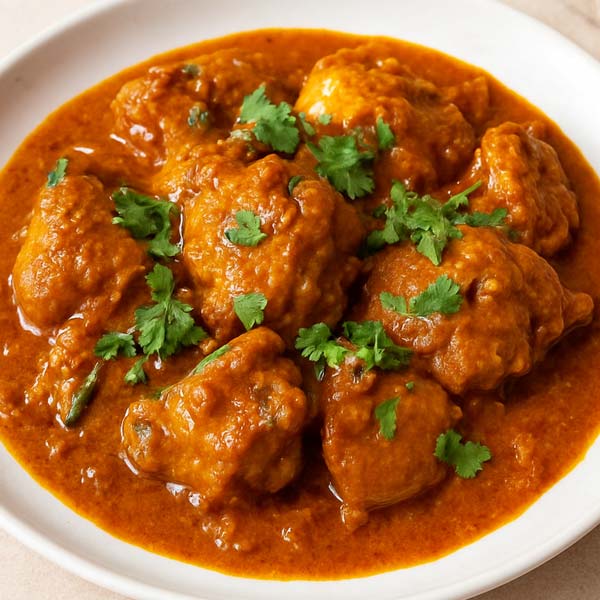
Mutton Paya Recipe (Slow Cooked Indian Lamb Trotters Curry)
There are some dishes that are not just food but a cultural experience, and Mutton Paya is absolutely one of them. This slow-cooked lamb trotter curry is one of the most cherished and deeply traditional recipes in Indian, Pakistani, and Bangladeshi home cooking, a dish that is made with love, patience, and time, and that rewards all three generously. The result is a rich, gelatinous, deeply aromatic broth surrounding tender, slow-braised trotters that practically fall apart at the touch of a spoon. It is warming, deeply nourishing, and has a flavor that no other cut of meat can replicate.
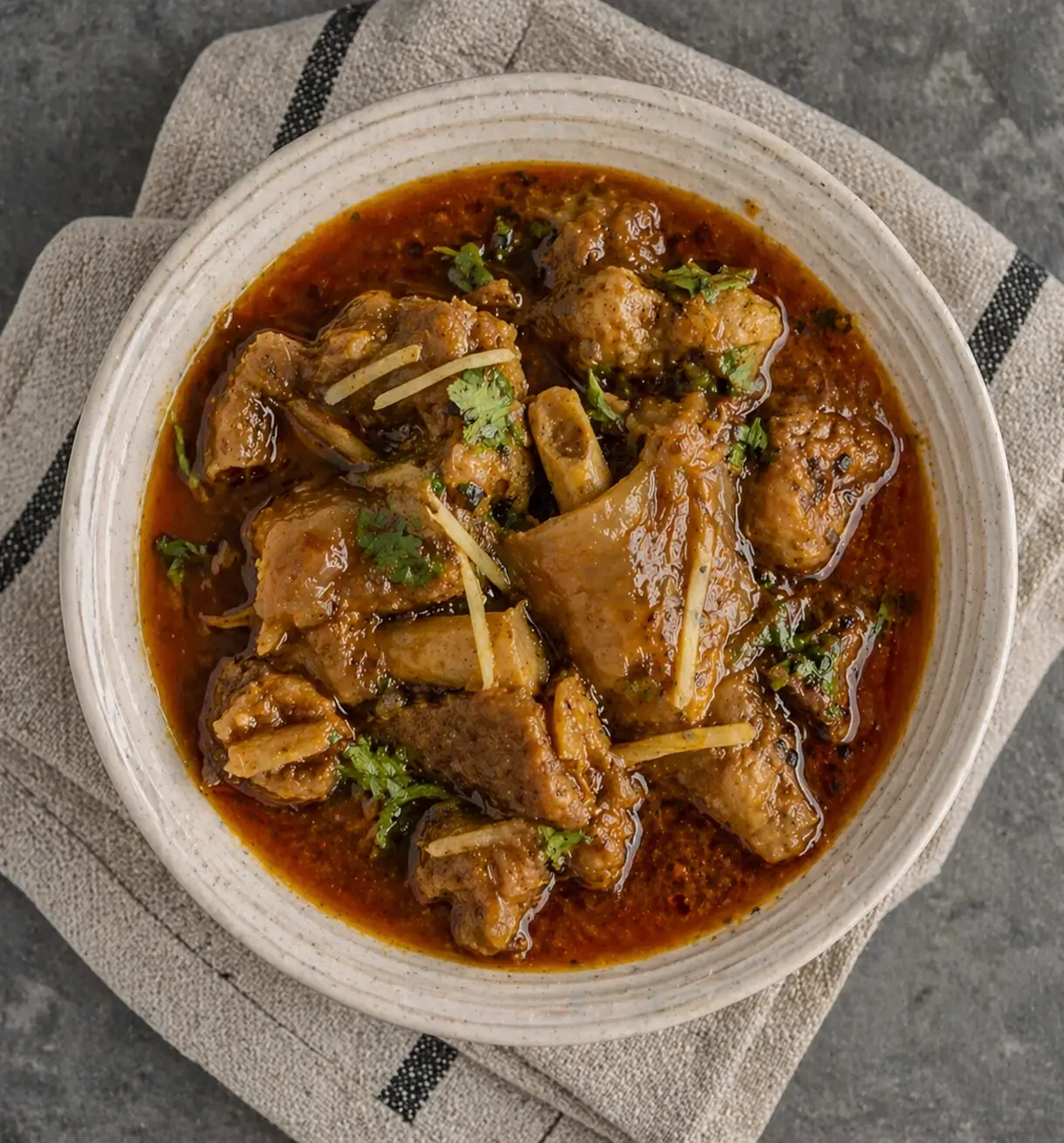
Paya means feet or trotters in Urdu and Hindi, and the dish refers to the slow-cooked legs and trotters of goat, lamb, or beef. What makes Paya remarkable is the extraordinary amount of collagen in the trotters that dissolves during the long cooking process, creating a naturally thick, silky, gelatinous broth that is unlike any other Indian curry. This broth is not just delicious but is also considered one of the most nourishing foods in South Asian cooking traditions, highly valued for joint health, gut health, and recovery from illness or surgery. In many Indian and Pakistani households, Paya is reserved for special Sunday breakfasts, festive occasions, and as a healing meal for those recovering from illness.
Outside South Asia, Mutton Paya is a sought-after dish among the Indian and Pakistani diaspora in the USA, UK, Canada, and the UAE, where it is served at specialty restaurants and made at home for weekend family gatherings. Serve with naan, paratha, or steamed basmati rice alongside a squeeze of fresh lemon.
Why You Will Love This Mutton Paya Recipe
- Extraordinary depth of flavor: The slow cooking of trotters creates a naturally rich, collagen-infused broth that is impossible to replicate with any other ingredient
- Deeply nourishing: One of the most collagen and mineral-rich meals you can make, excellent for joint health, gut health, and recovery
- A genuine cultural experience: Making Paya is a weekend tradition in millions of South Asian homes and connecting with that tradition is part of the pleasure
- Minimal active cooking time: Most of the cooking time is hands-off slow simmering
- Perfect for Instant Pot: What traditionally took 4 to 5 hours of stovetop cooking can be done in 60 to 90 minutes with a pressure cooker
- Impressive and unique: This dish will genuinely surprise and delight guests who have never tried it before
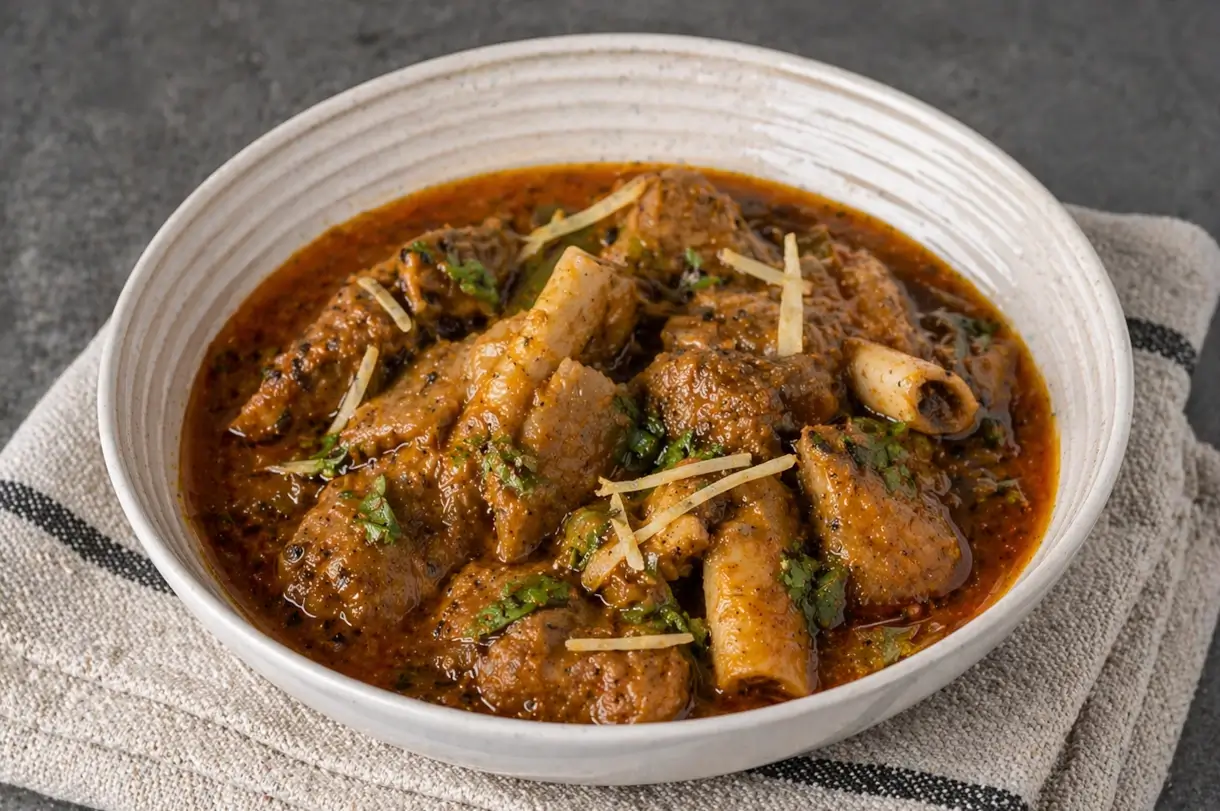
A Note on Sourcing Lamb Trotters
Lamb trotters are not as commonly found in mainstream US supermarkets as other lamb cuts, but they are very available if you know where to look. Here is where to source them in the USA:
- Indian and Pakistani grocery stores: The most reliable source. Most carry fresh or frozen lamb and goat trotters.
- Halal butcher shops and grocery stores: Excellent source for fresh trotters. Most large US cities have halal butchers in areas with South Asian, Middle Eastern, or African communities.
- Middle Eastern grocery stores: Often carry lamb trotters, particularly larger stores.
- Whole Foods Market: Some locations carry lamb trotters, particularly in cities with large diverse populations. Call ahead to check.
- Online specialty meat retailers: Websites like Holy Grail Steak Company, Crowd Cow, and Marx Foods ship specialty lamb cuts including trotters.
- Asian grocery stores: Many carry pork trotters and sometimes lamb trotters.
Ask your butcher to clean and cut the trotters for you, which saves significant preparation time at home. They are also sometimes available frozen, which works equally well for slow-cooked dishes like Paya.
Ingredients for Mutton Paya (with Metric Measurements)
All measurements are given in US cups and spoons with metric equivalents in brackets for international readers.
For the Paya
- 4 lamb trotters (paya), cleaned and cut: Ask your butcher to clean them thoroughly and cut each trotter into 2 to 3 pieces for easier handling and faster cooking. One trotter per person is the standard serving. Each trotter weighs approximately 12 to 14 oz (350 to 400g).
- 4 cups (960ml) water: Start with this amount and add more as needed during cooking
- 1 teaspoon salt
For the Masala Base
- 4 tablespoons oil: Any neutral oil. A combination of oil and 1 tablespoon ghee adds richness.
- 1 tablespoon ghee: Available at Whole Foods, Costco, Trader Joe’s, and Amazon
- 3 large onions, very finely sliced: About 3 cups (450g). A generous quantity of onions is essential for the deep, rich flavor of authentic Paya gravy.
- 2 tablespoons ginger-garlic paste: Or 6 garlic cloves and 2-inch fresh ginger, both finely minced. Use generously as the long cooking time mellows but deepens these flavors.
- 1 cup (240g) plain yogurt: Full-fat plain yogurt adds tanginess and body to the broth
- 3 medium tomatoes, finely chopped: About 1.5 cups (360g)
Whole Spices
- 4 green cardamom pods: Lightly crushed
- 2 black cardamom pods: Available at Indian grocery stores and Amazon
- 6 cloves
- 1-inch cinnamon stick
- 2 bay leaves
- 1 star anise
- 1 teaspoon black pepper, coarsely crushed: Black pepper is particularly important in Paya for its warming properties
Ground Spices
- 2 teaspoons red chili powder: Adjust to taste. Kashmiri red chili gives color without excessive heat.
- 1.5 teaspoons coriander powder
- 1 teaspoon cumin powder
- ½ teaspoon turmeric powder
- 1 teaspoon garam masala: Added at the very end
- Salt to taste
For Garnish and Serving
- 3 tablespoons fresh cilantro, finely chopped
- 2 tablespoons fresh ginger, julienned
- 3 green chilies, thinly sliced
- Lemon wedges, generously
- Crispy fried onions for topping (optional but traditional)
How to Make Mutton Paya: Step by Step
Step 1: Clean and Blanch the Trotters (15 minutes)
Even if your butcher has cleaned the trotters, rinse them thoroughly under cold running water. Place them in a large pot, cover with cold water, and bring to a boil over high heat. Boil for 5 minutes, skimming off any grey foam that rises to the surface. This blanching step removes impurities and any residual smell from the trotters, giving you a cleaner, better-tasting final dish. Drain and rinse the trotters again under cold water. Discard the blanching water.
Step 2: Build the Masala Base (15 minutes)
In a large heavy-bottomed pot or Dutch oven, heat the oil and ghee over medium heat. Add all the whole spices: cardamom pods, black cardamom, cloves, cinnamon, bay leaves, and star anise. Let them sizzle for 1 minute until fragrant.
Add the very finely sliced onions. Cook over medium heat for 12 to 15 minutes, stirring regularly, until they turn a deep, rich golden brown. The color of the onions directly determines the color and depth of flavor in the final Paya gravy, so invest the time here. Add the ginger-garlic paste and cook for 2 minutes until the raw smell disappears.
Step 3: Add Tomatoes, Yogurt and Spices (10 minutes)
Add the chopped tomatoes and cook for 5 to 6 minutes until they break down completely. Add all the ground spices: red chili powder, coriander powder, cumin powder, and turmeric. Mix well and cook for 2 minutes to bloom the spices.
Reduce heat to medium-low. Add the yogurt one tablespoon at a time, stirring between each addition to prevent curdling. Once all the yogurt is added, cook the mixture for 5 minutes, stirring regularly, until the yogurt is fully incorporated and the masala looks thick, deep-colored, and the oil begins to separate from the edges. This bhunoing step is critical for authentic Paya flavor.
Step 4: Add Trotters and Slow Cook (3 to 4 hours stovetop, or 60 to 75 minutes pressure cooker)
Add the blanched trotters to the masala and toss well to coat every piece. Add 4 cups of water, stir well, and bring to a boil over high heat. Skim off any foam that rises to the surface.
Stovetop method: Reduce heat to the lowest setting, cover tightly, and slow simmer for 3 to 4 hours, stirring every 30 minutes and adding water as needed to keep the trotters submerged. The paya is ready when the meat is extremely tender and falling away from the bones, and the broth has turned a rich, golden-brown color with a slightly thick, gelatinous consistency.
Pressure cooker or Instant Pot method: Seal the lid and pressure cook on high for 45 minutes with a 20-minute natural release. Open, check tenderness, and if the trotters are not yet falling from the bone, pressure cook for another 15 minutes. This method reduces the total active time dramatically while still producing excellent results.
Step 5: Finish and Serve
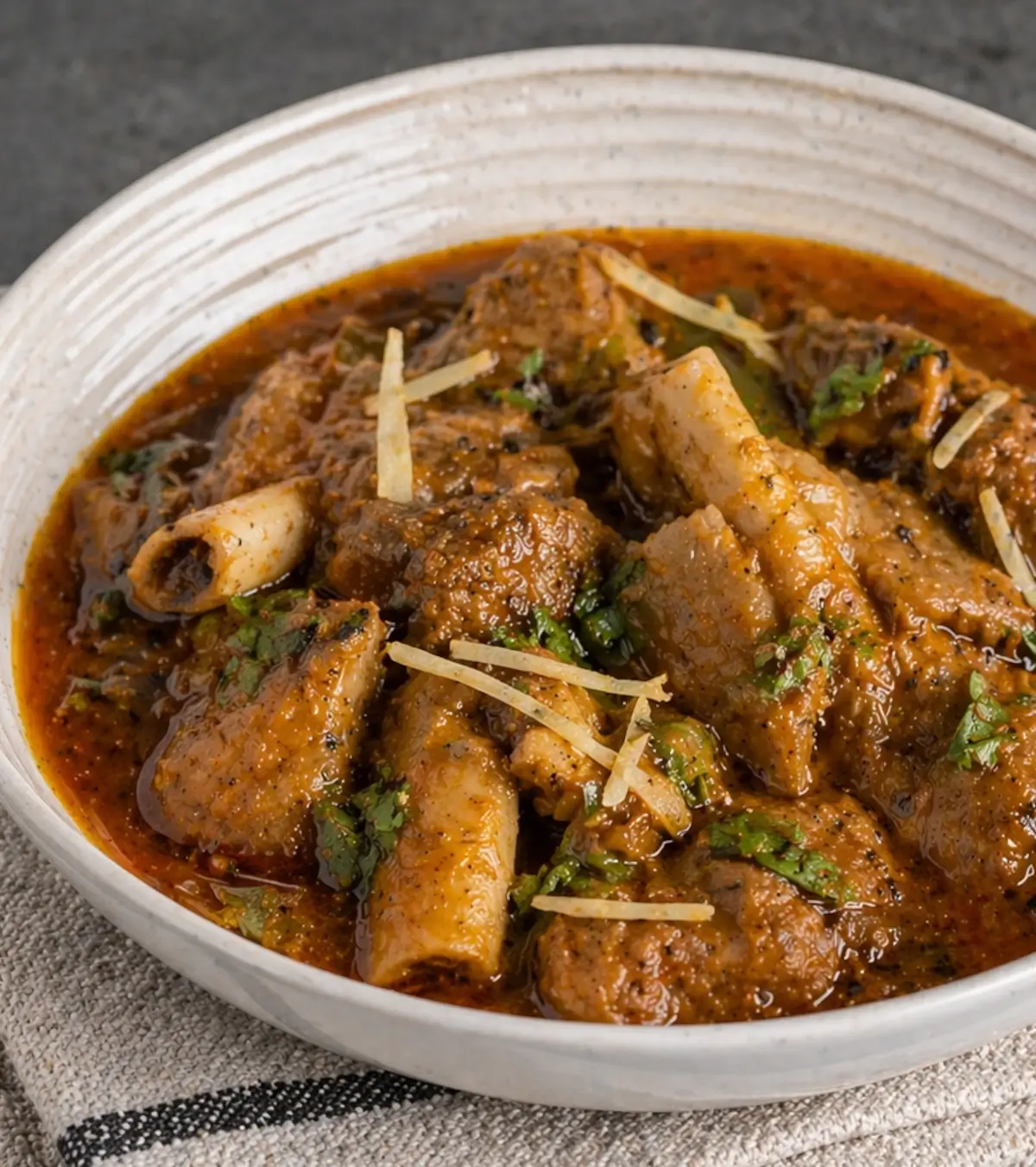
Once the trotters are meltingly tender and the broth is rich and gelatinous, taste and adjust salt. Add the garam masala and stir well. Cook uncovered for 5 to 10 minutes on medium heat if you want to reduce and concentrate the broth further. The gravy should be thick enough to coat a spoon lightly but still pourable. Turn off the heat. Ladle generously into deep bowls. Garnish with fresh cilantro, julienned ginger, sliced green chilies, crispy fried onions if using, and large lemon wedges. Squeeze lemon over the top before eating.
Pro Tips for the Best Mutton Paya
- Do not skip the blanching step: Blanching the trotters before slow cooking removes impurities, reduces any strong smell, and gives you a cleaner, more refined final broth. This step takes just 15 minutes and makes a significant difference.
- Deeply caramelized onions are essential: More than in most Indian recipes, Paya relies heavily on very deeply colored onions for its rich, dark, complex flavor. Take your time with this step.
- Cook the yogurt masala properly: Adding yogurt gradually and cooking until the oil separates is what creates the authentic thick, clingy Paya gravy. Do not add water until the masala stage is completely done.
- Low and very slow on the stovetop: The collagen in the trotters only fully dissolves into the broth with very gentle, prolonged cooking. High heat produces tough meat and a watery, greasy broth rather than the silky, gelatinous consistency that makes Paya extraordinary.
- Skim frequently during cooking: Skim any foam or impurities that rise to the surface during the first hour of cooking for the cleanest, most beautiful broth.
- Generous lemon and ginger at serving: Fresh lemon juice and julienned ginger are not optional garnishes in Paya, they are integral flavor components. The acidity of lemon brightens and lifts the entire dish while fresh ginger adds a clean, sharp contrast to the rich, gelatinous broth.
Serving Suggestions
Mutton Paya is traditionally served as a special breakfast or brunch dish in many Indian and Pakistani households, though it works equally well as a hearty lunch or dinner.
- Naan: The classic and most satisfying pairing. Use naan to scoop and soak up the rich, gelatinous broth.
- Paratha: Flaky paratha dunked into the Paya broth is extraordinary, especially for a special weekend breakfast
- Steamed basmati rice: Ladling Paya over steamed rice and eating with a spoon is a deeply satisfying way to enjoy this dish
- Plain Paratha: A simpler everyday flatbread pairing
- Crusty bread: For Western-style serving, thick crusty bread for dipping into the broth works beautifully
Storage and Reheating Instructions
How to Store
Refrigerator: Cool completely and store in an airtight container for up to 4 days. Note that the collagen-rich Paya broth will set into a firm jelly when refrigerated. This is completely normal and is actually a sign of a well-made, collagen-rich broth. It liquefies again immediately when heated.
Freezer: Paya freezes exceptionally well for up to 3 months. The gelatinous broth freezes and thaws beautifully. Freeze in individual portions for convenient meals. Thaw overnight in the refrigerator before reheating.
How to Reheat
- Stovetop (best method): Transfer the jellied Paya to a pot and heat gently over medium-low heat. The broth will liquefy within a few minutes of heating. Stir occasionally and add a splash of water if needed. Add fresh ginger and lemon after reheating.
- Microwave: Heat in 90-second intervals on medium power, stirring between each, until heated through.
Nutrition and Health Benefits
One serving of Mutton Paya (recipe serves 4) contains approximately:
- Calories: 380 kcal
- Protein: 35g
- Carbohydrates: 10g
- Fat: 22g
- Collagen: Approximately 8 to 12g per serving
- Sodium: 520mg
Mutton Paya is one of the most collagen-rich foods you can eat. The long slow cooking of the trotters releases extraordinary amounts of collagen, gelatin, glycine, and proline into the broth. These compounds are associated with improved joint health, reduced inflammation, better gut lining integrity, improved skin elasticity, and faster recovery from injury or illness. This is why Paya has been a traditional healing food in South Asian cultures for centuries, given to new mothers, people recovering from surgery, the elderly, and those with joint pain. Modern nutrition science has confirmed many of these traditional beliefs. Beyond collagen, the dish provides complete protein from the lamb meat and marrow, and a full spectrum of fat-soluble vitamins.
Frequently Asked Questions
Mutton Paya has a rich, deeply savory flavor that is quite different from regular lamb curry. The broth is intensely flavored, slightly gelatinous, and warming from the whole spices and black pepper. The meat from the trotters is very tender and has a slightly different texture from regular lamb, softer and more giving. The overall experience is deeply comforting and nourishing, similar to the best bone broth you have ever had but with the full complexity of Indian spicing.
Yes. Beef trotters (nihari-style) are equally popular in Pakistani and North Indian cooking. Beef trotters require longer cooking than lamb, approximately 5 to 6 hours on the stovetop or 90 minutes in a pressure cooker. The resulting broth is even richer and more gelatinous than lamb paya.
They are related but distinct dishes. Nihari is a slow-cooked shank curry (typically beef or lamb shank) made with a specific spice blend that includes wheat flour as a thickener. Paya specifically refers to trotters and feet and relies on naturally released collagen rather than flour for its thick consistency. Both are slow-cooked, both have deep, rich broths, and both are traditionally eaten as morning or breakfast dishes in Pakistan and North India, but their textures, specific flavor profiles, and cooking techniques are different.
Gelatinous Paya broth comes from the collagen in the trotters dissolving slowly into the liquid during extended cooking. If your broth is thin rather than gelatinous, it likely means the cooking time was insufficient. Return it to the heat and continue slow simmering for another hour. Also make sure you are using actual trotters and lower leg pieces rather than meat cuts, as the collagen is concentrated in the connective tissue around the joints and bones.
On the stovetop, authentic Paya requires 3 to 4 hours of gentle slow simmering for the meat to become fully tender and the broth to develop its characteristic gelatinous richness. In a pressure cooker or Instant Pot, this reduces to 60 to 75 minutes total. The long cooking time is non-negotiable for stovetop cooking as low and slow is what transforms tough trotter into extraordinary Paya.