Lobia Masala Recipe (Black-Eyed Peas Curry)
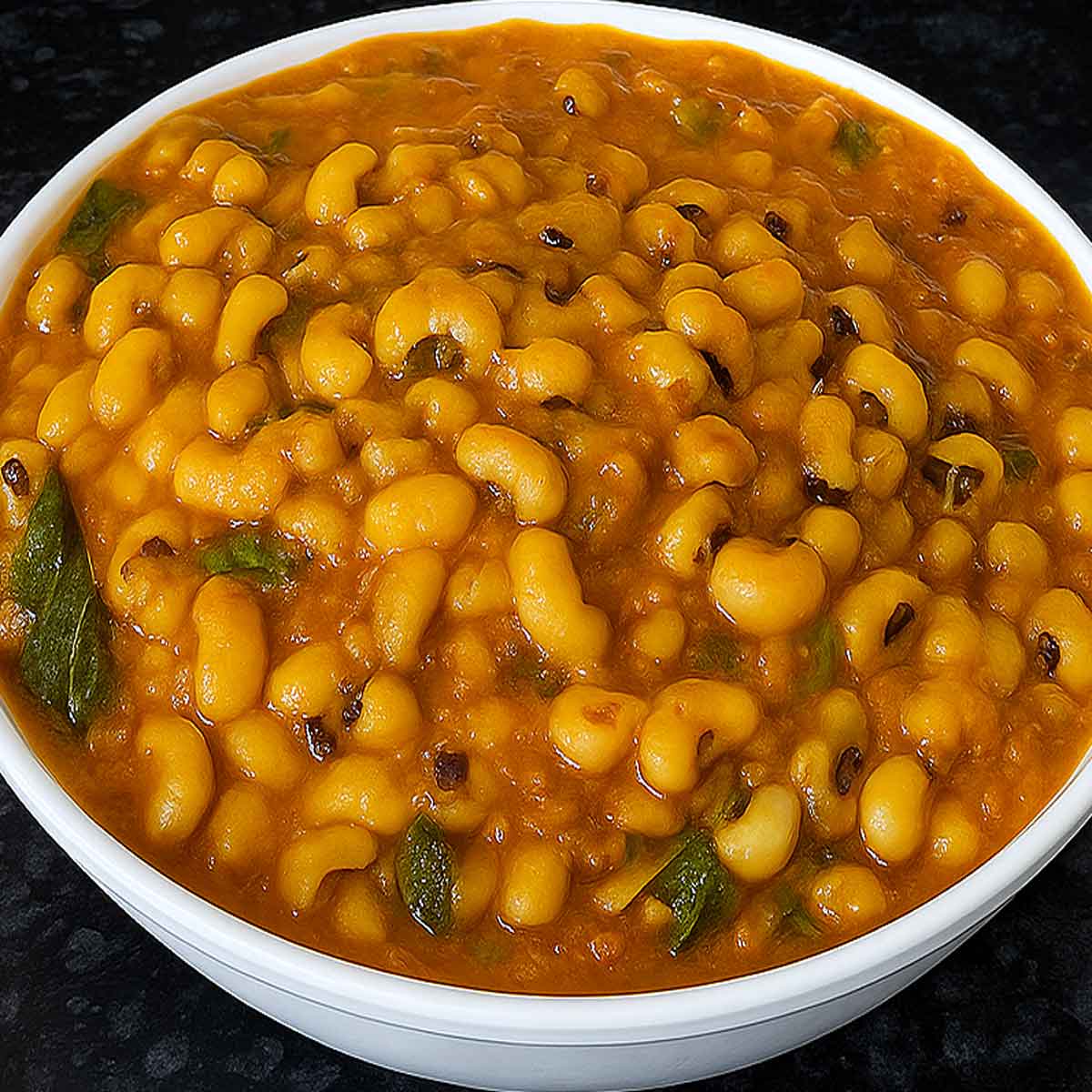
Lobia Recipe, also known as Lobia Masala Curry or Black-Eyed Pea Curry, is a wholesome North Indian vegetarian dish that’s both comforting and nourishing. Made with soft, protein-rich black-eyed peas simmered in a flavorful onion-tomato gravy infused with aromatic Indian spices, this recipe is perfect for everyday meals.
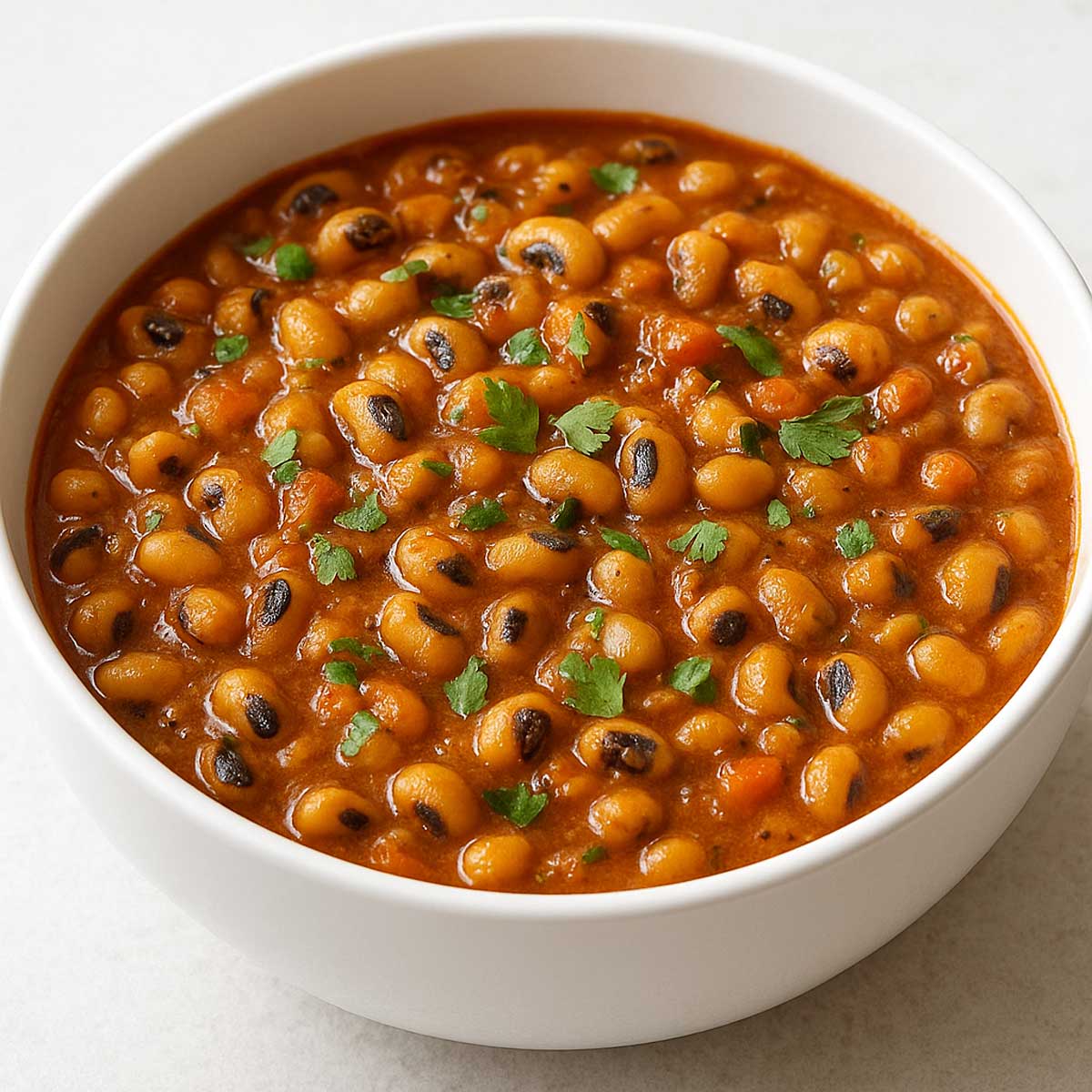
It’s naturally gluten-free, high in fiber, and packed with plant-based protein, making it a healthy choice for the whole family. Whether paired with steamed basmati rice, jeera rice, or warm chapatis, this lobia curry is a staple in many Indian households and an excellent addition to your homemade Indian recipes collection.
What is Lobia?
Lobia Recipe or Lobia Masala is a traditional Indian curry made with black-eyed peas, which are legumes known for their mild nutty flavor and creamy texture. In this dish, the lobia is first boiled until tender, then cooked with a base of sautéed onions, ripe tomatoes, ginger-garlic paste, and a blend of spices like turmeric, coriander, cumin, and garam masala. This black-eyed peas recipe is popular in North Indian kitchens, often enjoyed as a comforting lunch or dinner option. It’s a versatile curry that can be made in a simple homestyle way or in a richer, restaurant-style version with added ghee or cream. Lobia Masala is also a great choice for those looking for healthy Indian vegetarian curries that are both satisfying and easy to prepare at home.
Ingredients and Substitutes
- Lobia (black-eyed peas): I soaked dried lobia in water for a few hours to soften them and make them easier to cook. You can also soak them overnight if you plan ahead. If you’re short on time, canned or frozen black-eyed peas work just as well, just rinse canned ones to remove extra brine and thaw frozen ones before use.
- Tomatoes: Finely chopped tomatoes add tanginess and color to the curry. When fresh ones aren’t available, canned diced tomatoes or a bit of tomato puree work fine. In a pinch, even tomato ketchup can balance sweetness and acidity, though it slightly changes the flavor.
- Onion: Finely chopped onion brings natural sweetness and depth. If you don’t have fresh ones, you can use onion powder or fried onion paste. Shallots or red onions are also great substitutes with a sharper taste.
- Oil: I prefer using sunflower oil for its neutral flavor. For a more traditional North Indian touch, mustard oil gives a lovely aroma. You just heat it well before use. Ghee or a mix of oil and ghee adds richness and a creamy texture.
- Cumin seeds (jeera): Cumin seeds give a nutty, earthy base to the dish. If you’re out of them, fennel seeds can add a mild sweetness, or ajwain (carom seeds) can bring a more rustic flavor.
- Ginger-garlic paste: This adds warmth and depth. You can easily make it fresh by crushing garlic and ginger together. Dried versions can be used too, but fresh gives the best aroma.
- Curry leaves: Fresh curry leaves lend a subtle South Indian aroma. Frozen or dried leaves also work if you don’t have fresh ones. If none are available, I sometimes use a pinch of hing (asafoetida) to bring a similar savory note.
- Turmeric powder: It adds a golden hue and mild earthy flavor. If you have fresh turmeric root, grate a little for a brighter taste. You can skip it if it’s not available.
- Coriander powder: This gives a warm, citrusy flavor. Grinding roasted coriander seeds at home enhances freshness and aroma. Cumin powder adds a deeper, nutty tone and complements the other spices well.
- Red chili powder: It provides heat and vibrant color. For milder spice, use paprika; for more heat, use cayenne pepper. Kashmiri chili powder adds color without being too spicy.
- Garam masala powder: Added at the end, it enhances aroma and balances flavors. If you don’t have it, mix small amounts of cinnamon, clove, and cardamom powders for a quick alternative.
- Salt: I add regular salt gradually to balance flavors. You can use sea salt, or pink Himalayan salt for a different mineral taste.
- Fresh coriander leaves (cilantro): Chopped coriander adds freshness at the end. If unavailable, dried fenugreek leaves (kasuri methi) give a nice earthy aroma, and parsley can be used for a non-traditional twist.
How to Make Lobia Masala (Black-Eyed Peas Curry)
- Soak the Lobia. Soak black-eyed peas in water in a bowl for a few hours to soften them and make cooking easier.
- Pressure Cook the Lobia. Cook soaked lobia with water, tomatoes, and salt until soft and tender.
- Prepare the Tempering. Heat oil in a deep pan, add cumin seeds, and let them splutter to release their aroma.
- Prepare the Masala. Add ginger-garlic paste, curry leaves, and onions. Now cook until golden brown for a deep, flavorful curry base..
- Add the Spices. Lower the flame and mix in turmeric, cumin, coriander, and red chili powder and sauté briefly for flavor.
- Simmering the Lobia Curry. Add cooked lobia with its water, season as needed, and simmer until the gravy thickens.
- Garnish and Serve. Sprinkle garam masala and garnish with fresh coriander. Serve hot with rice or chapati.
Expert Cooking Tips
Using the right kitchen tools can make your cooking process smoother and help bring out the best flavors in your lobia curry. Always use a deep bowl for soaking the lobia to ensure they have enough space to expand evenly. When preparing the masala, a heavy-bottomed kadhai (Indian wok) works best as it distributes heat evenly and prevents the spices from burning. Stir the curry gently with a wooden spatula to avoid mashing the beans and to maintain their shape.
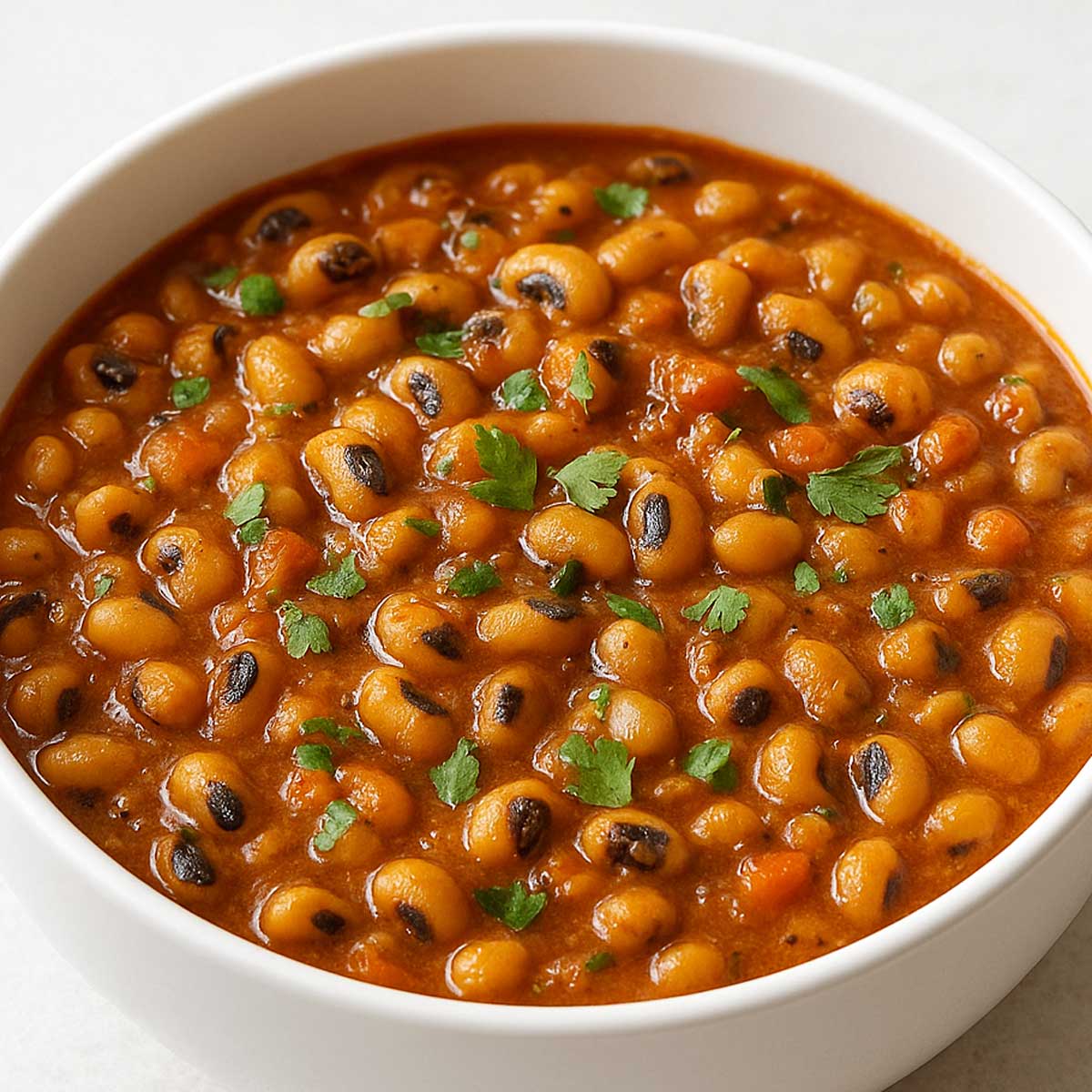
I prefer slow cooking the masala on low flame as it helps the spices release their full aroma and flavor. Always sauté onions until they turn golden brown for a richer base. For a healthier twist, you can opt for cold-pressed mustard oil or ghee for authentic Indian taste and better nutritional value. If you prefer a creamier texture, mash a few cooked lobia beans and stir them back into the curry. Before serving, garnish with fresh coriander leaves or a drizzle of ghee to elevate both taste and presentation.
Serving Suggestions for Lobia
Serve hot lobia curry with Indian breads like naan, paratha, or tandoori roti for a classic, comforting meal. The soft, spiced beans pair perfectly with warm, freshly made flatbreads.
Pair lobia with steamed rice or jeera rice to soak up the rich tomato-onion masala. Adding a dollop of ghee or a side of cooling raita enhances the flavors and balances the spices.
For a modern twist, use lobia as a filling for wraps, stuffed parathas, or even as a side in a thali-style meal. Garnish with fresh coriander, a squeeze of lemon, or a drizzle of ghee for a vibrant, aromatic presentation.
Frequently asked questions
Absolutely. Lobia is a good source of plant-based protein, dietary fiber, and essential minerals like iron and potassium. Cooking it with tomatoes, onions, and spices not only makes it flavorful but also adds antioxidants and anti-inflammatory benefits.
Soaking lobia for 3–4 hours is recommended as it reduces cooking time, helps the beans cook more evenly, and improves their texture. If you skip soaking, you can still cook them, but you’ll need to increase the pressure cooking time (around 7–8 whistles) and add a little extra water.
Yes. You can cook lobia in a regular pot, but it will take longer — usually 40–50 minutes of simmering until the beans are soft. Keep an eye on the water level and top up if needed to prevent sticking or burning.
It tastes delicious with steamed rice, jeera rice, chapati, or paratha. For a complete meal, pair it with a side of fresh salad, yogurt, or pickle.
Recipe Card

Lobia Recipe
Equipment
- 1 Pressure Cooker
- 1 Deep pan
- 1 Chopping board
- 1 Spatula
Ingredients
- 1 cup lobia black-eyed peas, soaked for 3–4 hours
- 4 cups water
- 2 tomatoes
- ½ tsp salt
- Oil
- 1 tsp cumin seeds
- 1 tsp ginger-garlic paste
- 2 tsp crushed curry leaves or about 10 leaves
- 1 onion
- ½ tsp turmeric powder
- 1 tsp coriander powder
- ½ tsp cumin powder
- 1 tsp red chili powder
- 1 tsp garam masala powder
- 2 tbsp chopped fresh coriander leaves
Instructions
- Wash the lobia (black-eyed peas) thoroughly and, if possible, soak them in water for a few hours to reduce cooking time and improve texture. Soaking helps soften the beans, aids digestion, and gives them a creamy texture once cooked.
- Pressure cook the soaked lobia with water, chopped tomatoes, and a little salt until tender. This creates a soft, protein-rich base for the curry.
- For tempering, heat some oil in a kadhai, add cumin seeds, and let them splutter to release their nutty aroma and form the base of the masala.
- Add ginger-garlic paste and curry leaves, sauté until the raw smell disappears, then add finely chopped onions. Cook until the onions turn golden brown to build a rich, flavorful masala.
- Lower the flame and add turmeric powder, cumin powder, coriander powder, and red chili powder. Sauté briefly to let the spices release their flavors.
- Add the boiled lobia along with its cooking liquid, adjust the salt if needed, and simmer the curry on medium flame for a few minutes until it thickens slightly. Stir occasionally to prevent sticking.
- Finish by adding garam masala and fresh coriander leaves. Simmer briefly, then serve hot with rice or chapati for a wholesome, hearty Indian meal.
Notes
- If you are using canned black-eyed peas, skip the soaking and pressure cooking steps just rinse them well before adding to the masala.
- For a richer flavor, add 1 teaspoon of kasuri methi (dried fenugreek leaves) towards the end of cooking.
- Adjust the red chili powder to your spice preference for a milder or hotter curry.