Paneer Do Pyaza Recipe (North Indian Paneer Curry with Double Onion Gravy)
Among all the paneer curries in the vast landscape of North Indian cooking, Paneer Do Pyaza occupies a particularly special place. It is not as widely known internationally as Palak Paneer or Paneer Butter Masala, but among those who know Indian food well, it is considered one of the most sophisticated and satisfying paneer preparations.
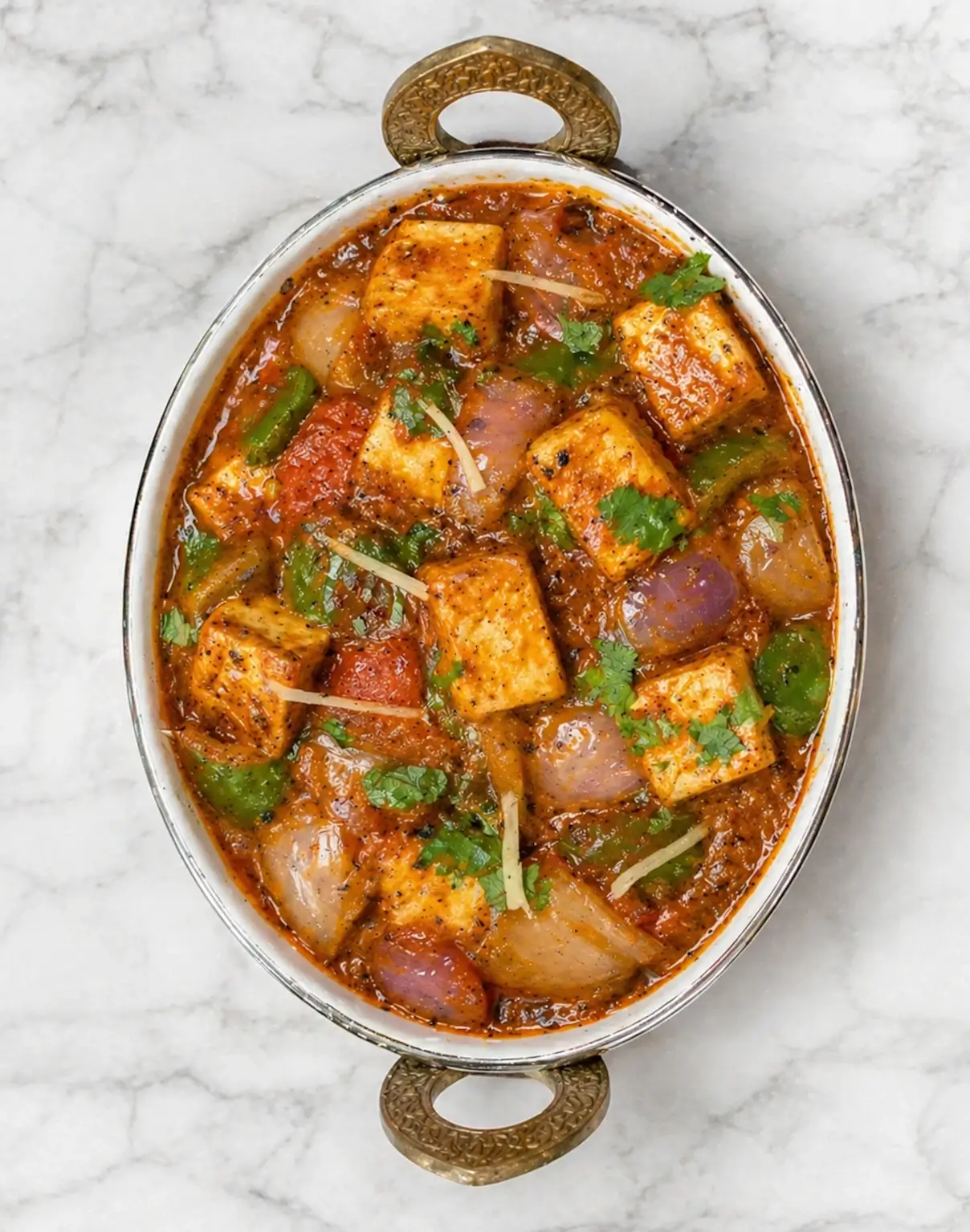
The name reveals its defining characteristic: do pyaza means double onion in Urdu and Hindi, and this dish uses onions in two distinct ways, cooked to two different textures, that together create a depth and complexity of flavor that a single onion preparation simply cannot achieve.
The concept of do pyaza cooking is ancient, with origins in the royal kitchens of Mughal India where cooks developed the technique of using onions twice in the same dish to extract maximum flavor. Some onions are slowly caramelized into the masala base, becoming sweet and deeply savory and dissolving into the gravy. Others are added in the second stage, sautéed briefly to retain their structure, contributing a fresh, slightly sweet bite and a different textural dimension. Together they create a gravy that is rich without being heavy, complex without being complicated, and deeply onion-forward in the most satisfying way.
For Indian food lovers in the USA and UK, Paneer Do Pyaza is one of those restaurant discoveries that deserves to be made at home. It is not a difficult recipe, but it rewards patience in the onion-cooking stages and produces a result that is genuinely different from and arguably more nuanced than most other paneer curries. Serve with garlic naan, paratha, or jeera rice for a complete and impressive meal.
Why You Will Love This Paneer Do Pyaza Recipe
- A genuinely different paneer curry: The double onion technique creates a flavor profile that is distinctly its own and quite different from other paneer dishes in your repertoire.
- Deep, complex flavor with accessible ingredients: No specialty ingredients are required. The complexity comes entirely from technique and the dual use of onions.
- Restaurant-worthy at home: Following the steps carefully produces a result that rivals any Indian restaurant version.
- High protein vegetarian meal: Paneer provides complete protein and is outstanding for vegetarians seeking high-quality protein sources.
- Naturally gluten-free
- Excellent for entertaining: This is a dish that impresses guests who know Indian food and surprises those who do not.
Understanding the Do Pyaza Technique
The double onion method is the heart of this recipe and understanding it helps you execute it correctly and appreciate what you are achieving.
The first onion addition goes in at the beginning of cooking and is cooked slowly and thoroughly until very deeply golden and beginning to caramelize. These onions are the foundation of the gravy. They cook down significantly, losing their sharp raw character and developing a sweet, deeply savory richness that dissolves into the masala and forms the backbone of the entire dish. Do not rush this stage. The fuller you take these onions in terms of color and caramelization, the richer and more complex the final curry will be.
The second onion addition happens later in the cooking process. These onions are cut into chunks or thick slices and cooked for a much shorter time in a separate pan, just until softened and lightly golden but still retaining their shape and some texture. They are folded into the curry near the end, contributing a fresher, slightly sweet, textural counterpoint to the deeply cooked first onions. In some versions, a portion of the second onions are added raw at the very end for an extra layer of fresh bite.
Together, these two onion treatments create the signature do pyaza character: a gravy that has both depth from the slow-cooked base and freshness from the second addition.
Ingredients for Paneer Do Pyaza (with Metric Measurements)
All measurements are given in US cups and spoons with metric equivalents in brackets for international readers.
For the Paneer
- 14 oz (400g) paneer: Cut into 1-inch cubes. If using refrigerated store-bought paneer, soak in warm water for 10 minutes before using to soften.
First Onion Addition (For the Masala Base)
- 3 large onions, finely sliced or chopped: About 3 cups (450g). These will cook down significantly. Use yellow or white onions.
Second Onion Addition (Textured Onions)
- 2 medium onions, cut into chunks or thick wedges: About 2 cups (300g). Separate the layers. These should be cut large enough to retain texture after brief cooking.
For the Curry Base
- 3 tablespoons ghee: Ghee is strongly preferred for this recipe as the buttery richness of ghee complements the double onion character of the dish beautifully. Substitute with butter and oil combined if ghee is unavailable.
- 1 teaspoon cumin seeds
- 2 bay leaves
- 3 green cardamom pods, lightly crushed
- 1-inch cinnamon stick
- 4 cloves
- 1.5 tablespoons ginger-garlic paste: Or 5 garlic cloves and 1.5-inch fresh ginger, minced together.
- 3 medium tomatoes, finely chopped: About 1.5 cups (360g).
- 3 tablespoons plain yogurt: Whisked smooth before adding. This adds body and a subtle tang to the gravy.
- Half cup (120ml) water
- 2 tablespoons fresh cream: Stirred in at the end for richness and to balance the acidity.
- Salt to taste
Spices
- 1.5 teaspoons Kashmiri red chili powder
- 1.5 teaspoons coriander powder
- 1 teaspoon cumin powder
- Half teaspoon turmeric powder
- Half teaspoon black pepper powder
- 1 teaspoon garam masala: Added at the very end.
- 1 teaspoon dried fenugreek leaves (kasuri methi): Crushed between palms and added at the end. Highly recommended for restaurant-quality aroma.
For Garnish
- Fresh cilantro, roughly chopped
- Julienned fresh ginger
- 1 tablespoon cream or ghee
- Lemon wedges
How to Make Paneer Do Pyaza Step by Step
Step 1: Prepare and Pan-Fry the Paneer
If using refrigerated store-bought paneer, soak the block in warm water for 10 minutes, then drain and pat dry. Cut into 1-inch cubes. Heat 1 tablespoon of ghee in a wide pan over medium-high heat. Add the paneer cubes in a single layer without overlapping. Sear for 1 to 2 minutes per side until light golden. Remove and set aside. Pan-frying the paneer creates a lightly golden exterior that holds the cubes together in the curry and adds a pleasant toasty flavor. If you prefer softer paneer, skip this step and add the paneer directly to the curry later.
Step 2: Prepare the Second Onions
In the same pan, heat 1 tablespoon of ghee over medium-high heat. Add the chunked second onions and toss over high heat for 3 to 4 minutes until they are lightly golden on the edges but still have structure and texture. They should not be fully soft. Remove from the pan and set aside separately from the paneer.
Step 3: Cook the First Onions (The Most Important Step)
Add the remaining 1 tablespoon of ghee to the pan over medium heat. Add the whole spices: cumin seeds, bay leaves, cardamom pods, cinnamon, and cloves. Let them sizzle for 1 minute until fragrant. Add the finely sliced first onions and a pinch of salt. Cook over medium heat for 12 to 15 minutes, stirring regularly, until the onions are very deeply golden and caramelized. They should be significantly reduced in volume and have a deep amber color. This is the foundation of the entire dish and needs the full time. Do not rush by raising the heat, as high heat burns the onions before they develop sweetness.
Step 4: Add Ginger-Garlic and Tomatoes
Add the ginger-garlic paste to the caramelized onions and cook for 2 minutes until very fragrant. Add the finely chopped tomatoes and cook over medium-high heat for 6 to 8 minutes, stirring regularly, until the tomatoes break down completely and the ghee separates clearly at the edges of the masala. The masala should look thick, deeply colored, and cohesive.
Step 5: Add the Spices
Add the Kashmiri chili, coriander, cumin, turmeric, and black pepper. Stir well to combine. Cook for 2 to 3 minutes, stirring constantly, until the spices are cooked into the masala and the raw spice smell is completely gone. Now add the whisked yogurt one tablespoon at a time, stirring vigorously after each addition. Adding yogurt gradually prevents it from splitting. Cook for 3 minutes after all the yogurt is incorporated until the ghee separates again, indicating the yogurt is fully cooked into the masala.
Step 6: Add Water and Bring to a Simmer
Add the water and stir to bring everything together into a smooth, thick, cohesive gravy. Taste and adjust salt. Bring to a gentle simmer over medium heat. The gravy should coat the back of a spoon thickly. Add a splash more water if it seems too thick at this point.
Step 7: Add Paneer and Second Onions
Add the pan-fried paneer cubes to the simmering gravy and gently fold to coat. Add the lightly sautéed second onion chunks and fold in carefully to distribute without breaking them. Cook over medium-low heat for 4 to 5 minutes until everything is heated through and the paneer has absorbed some of the gravy color. Stir in the fresh cream and mix gently. Add garam masala and stir to combine. Crush the kasuri methi between your palms over the pan and fold in. Taste and adjust salt. Cook for 1 more minute, then remove from heat.
Step 8: Garnish and Serve
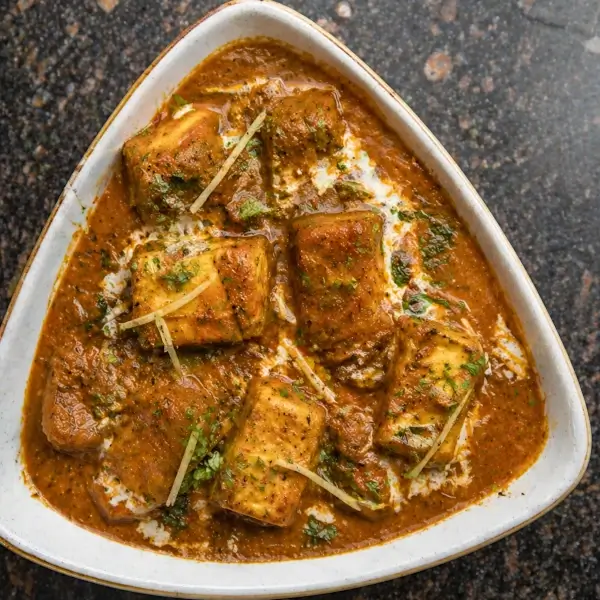
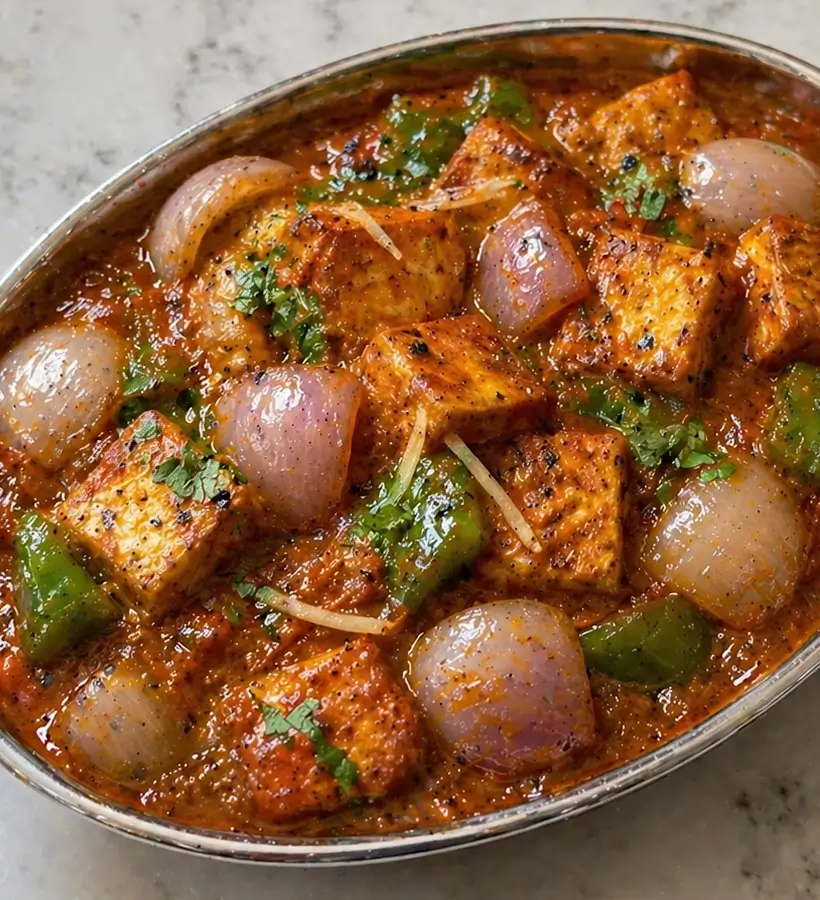
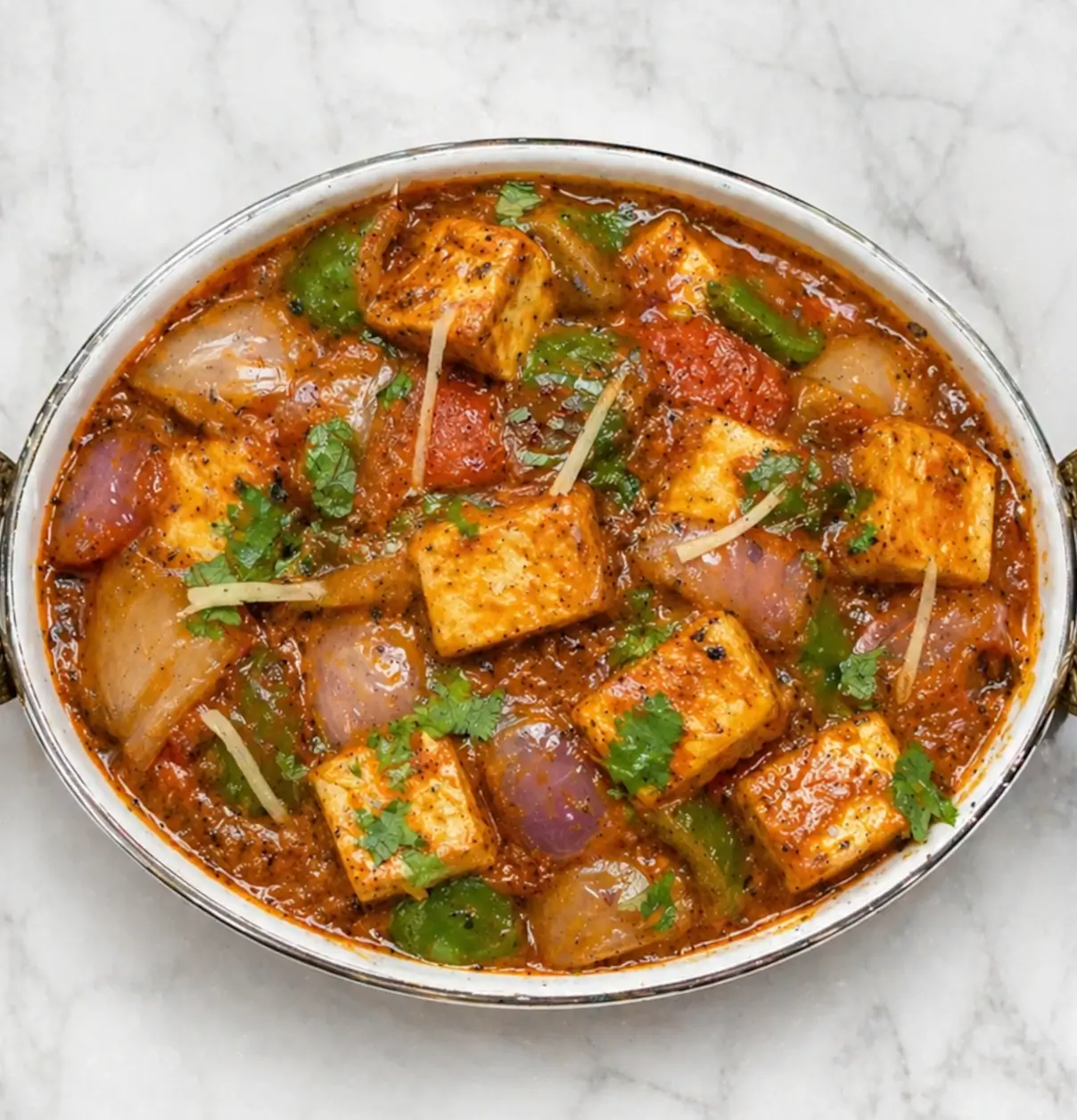
Transfer to a serving bowl. Drizzle a tablespoon of cream or ghee over the top. Scatter fresh cilantro generously. Add a few pieces of julienned fresh ginger for freshness. Serve with lemon wedges. Bring to the table immediately.
Pro Tips for the Best Paneer Do Pyaza
- Patience with the first onions is everything: The deeply caramelized first onions are the soul of this dish. Rushing this step by increasing the heat produces bitter, improperly cooked onions that undermine the entire recipe. Give the full 12 to 15 minutes at medium heat.
- Cut the second onions chunky: The second onions should be large enough to retain their shape and provide textural contrast in the finished curry. Finely chopped second onions defeat the purpose of the do pyaza technique.
- Add yogurt gradually: Pouring yogurt directly into a hot pan causes it to split and curdle. Add it one tablespoon at a time, stirring vigorously after each addition, and maintain medium heat throughout.
- Use ghee rather than oil: The specific richness and aroma of ghee in a do pyaza preparation is authentic and adds something that oil cannot replicate. This is one recipe where ghee is genuinely worth using.
- Pan-fry the paneer: Lightly golden paneer holds together better in this curry and contributes a toasty flavor that contrasts beautifully with the sweet, rich onion gravy.
- Kasuri methi is the finishing signature: Dried fenugreek leaves crushed at the end add the restaurant-quality aroma that makes this curry taste finished and professional. Do not skip it.
Variations of Paneer Do Pyaza
Mushroom Do Pyaza
Replace the paneer with 1 lb (450g) of large button or cremini mushrooms, halved. Mushrooms work beautifully with the double onion technique. Add the mushrooms at the same stage as the paneer and cook for 5 minutes until tender.
Chicken Do Pyaza
Replace the paneer with 1.5 lbs (680g) of boneless chicken thighs cut into chunks. Cook the chicken in the masala for 15 to 18 minutes until fully cooked through before adding the second onions. The do pyaza technique is equally celebrated in the chicken version.
Lighter Paneer Do Pyaza
For a lower-calorie version, skip the cream and reduce the ghee to 2 tablespoons total. Use low-fat paneer if available. The double onion technique ensures the dish remains richly flavored even with reduced fat content.
What to Serve with Paneer Do Pyaza
- Garlic Naan: The ideal pairing. The rich, onion-forward gravy is extraordinary scooped up with warm naan.
- Paratha: Flaky, layered paratha alongside this curry is deeply satisfying.
- Plain Paratha: A simpler flatbread that lets the bold do pyaza flavors take centre stage.
- Jeera Rice: The clean, aromatic cumin rice is a beautiful base for the rich onion gravy.
- Masala Pulao: A spiced rice dish that pairs very well with the bold paneer curry.
- Boondi Raita: Cooling yogurt raita is an essential counterpoint to the richness of the curry.
- Cucumber Salad: A light, refreshing side that provides a welcome contrast to the rich, layered curry.
- Onion Chutney: For the onion lovers in the group, a bold onion chutney alongside a do pyaza is a deeply satisfying combination.
Storage and Reheating Instructions
How to Store
Refrigerator: Cool completely and store in an airtight container for up to 3 days. Like most paneer curries, this dish actually improves in flavor after a day in the refrigerator as the paneer absorbs the masala more deeply.
Freezer: Freeze for up to 1 month. Paneer texture changes slightly after freezing but the flavor remains very good. Thaw overnight in the refrigerator before reheating gently.
How to Reheat
- Stovetop (recommended): Reheat gently over medium-low heat with a small splash of water. Stir carefully to avoid breaking the paneer. Heat until warmed through. A small knob of ghee added during reheating restores the richness beautifully.
- Microwave: Heat on medium power in 60-second intervals, stirring gently between each, until hot throughout.
Nutrition and Health Benefits
One serving of Paneer Do Pyaza (recipe serves 4) contains approximately:
- Calories: 410 kcal
- Protein: 19g
- Carbohydrates: 18g
- Fat: 30g
- Calcium: 38% of daily recommended value
- Sodium: 510mg
Paneer Do Pyaza is nutritionally distinguished by its unusually high onion content from the double onion technique. Onions are an exceptional source of quercetin, a powerful antioxidant flavonoid associated with reduced inflammation and cardiovascular protection. They are also rich in prebiotic fiber that feeds beneficial gut bacteria. Combined with the complete protein and calcium from paneer, the lycopene from cooked tomatoes, and the anti-inflammatory compounds from the spice blend, this is a genuinely nutritious Indian curry. The use of ghee, while higher in fat, provides fat-soluble vitamins A, D, E, and K that are rarely found together in plant-based cooking.
Frequently Asked Questions
Do means two and pyaza means onion in Urdu and Hindi. The name directly describes the defining technique of this dish: using onions twice, in two different ways, at two different stages of the cooking process. Some food historians trace the dish to the Mughal court of Emperor Akbar, though its exact origin is debated. What is certain is that the do pyaza technique is one of the most elegant and sophisticated approaches to onion cookery in the entire Indian culinary tradition.
The defining difference is the dual-textured onion profile of the gravy. Most other paneer curries use onions in a single way, cooked into the base and dissolved into the sauce. In do pyaza, you get deeply caramelized onion richness in the gravy itself and textured, slightly sweet onion chunks dispersed through the curry. The overall flavor is more onion-forward, slightly sweeter, and more complex than a standard tomato-cream paneer curry.
Yes. The cream is optional and is primarily used to balance the acidity of the tomatoes and add richness. Without cream, the curry will be slightly more tomato-forward and tangier. You can add an extra tablespoon of yogurt at the yogurt stage as a partial substitute, or simply leave the cream out entirely for a leaner version.
This recipe uses Kashmiri chili powder, which provides beautiful color with moderate, approachable heat. For a milder version suitable for children or spice-sensitive guests, reduce the Kashmiri chili to 1 teaspoon and omit any additional green chilies. For more heat, add 1 to 2 finely sliced green chilies with the ginger-garlic paste.
Yes, and it is actually a good idea. The curry can be made completely up to 24 hours ahead and refrigerated. Reheat gently before serving. The flavors develop beautifully overnight and the paneer absorbs the masala more deeply. If making ahead, undercook the paneer slightly so it does not become too soft during reheating.