Thandai Recipe (Traditional Indian Spiced Milk Drink)
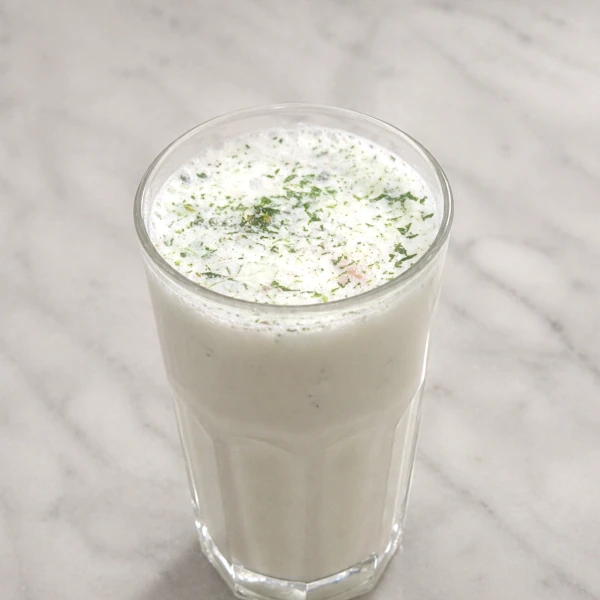
There are drinks in Indian cuisine that exist purely for pleasure and celebration, and thandai is among the finest of them. It is a richly spiced, deeply fragrant cold milk drink made with a paste of soaked almonds, poppy seeds, fennel seeds, dried rose petals, black pepper, cardamom, and saffron, all ground together and mixed into cold sweetened milk.
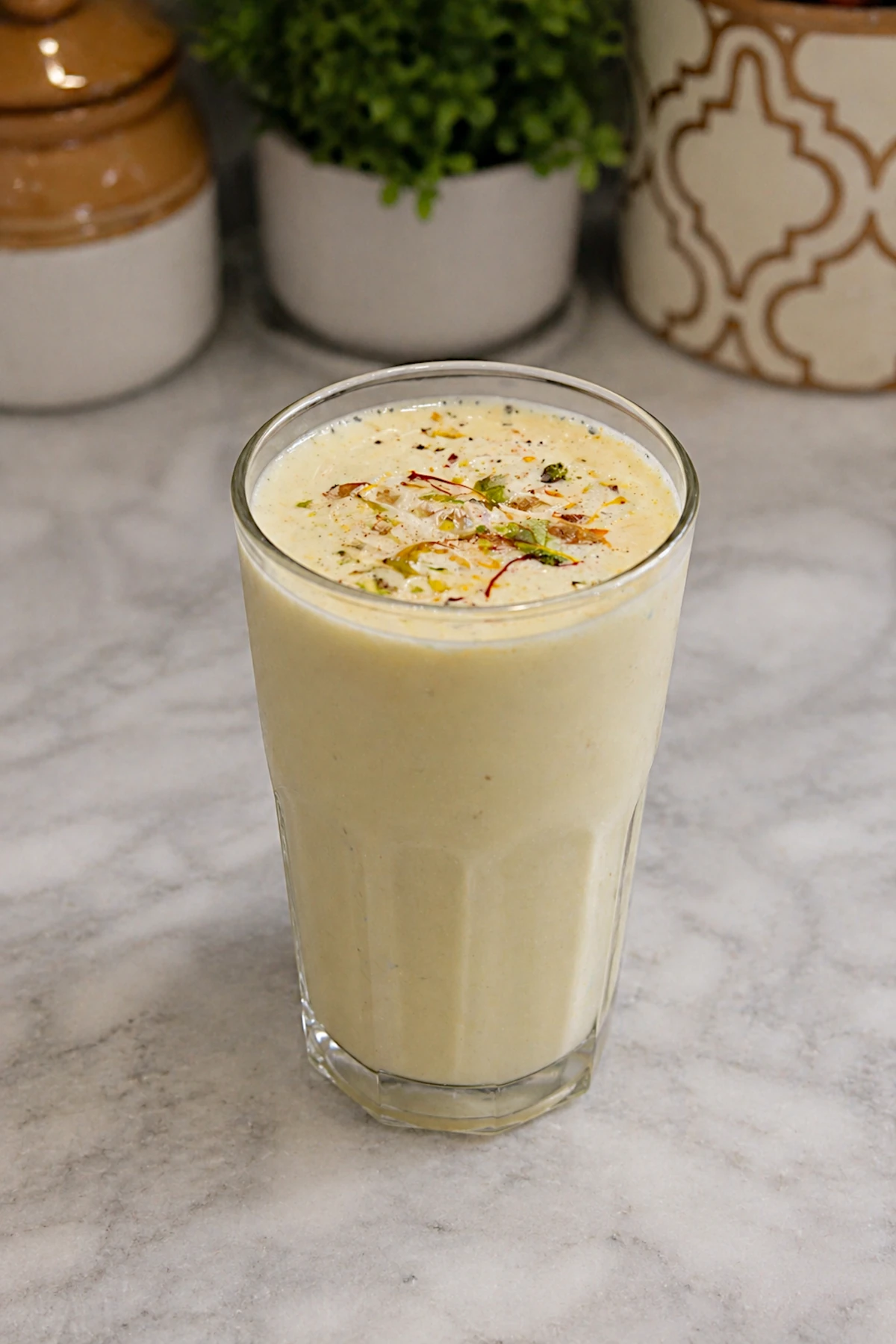
Thandai is the defining drink of Holi, the Indian festival of colors celebrated each spring across North India and in Indian diaspora communities worldwide. It is also traditionally prepared for Mahashivratri, the festival of Lord Shiva, where it holds deep religious significance in certain traditions. Beyond its festival associations, thandai is simply one of the finest summer drinks in the Indian repertoire, and in the cities of Rajasthan and Uttar Pradesh, thandai shops open through the hot season serving this cooling drink to locals who have drunk it every summer for generations.
At Healthy Indian Recipes, thandai is a recipe we are genuinely excited to share because it represents the very best of Indian spice knowledge applied to a cold drink. Every spice in thandai has a specific function: fennel and cardamom are cooling, rose petals are calming and fragrant, black pepper adds warmth and aids digestion, poppy seeds contribute creaminess and cooling properties, and the nuts provide richness and nutrition. This is not random spicing. It is a recipe that has been refined over centuries into something that is precisely, intelligently constructed. Serve it alongside Gulab Jamun, Kaju Katli, or any Indian sweet for a festive spread, or simply pour it over ice on a summer afternoon and drink it slowly.
Why You Will Love This Thandai Recipe
- Unlike any other drink you have made: The flavor profile of thandai is genuinely unique. No other drink in Indian or Western cuisine combines these specific spices and ingredients in this way. The first sip is always a surprise for people trying it for the first time.
- Make-ahead thandai paste stores for weeks: The heart of this recipe is the thandai paste, which takes about 20 minutes to prepare and then stores in the refrigerator for up to 2 weeks. Once the paste is made, fresh thandai takes under 2 minutes to prepare, making it an excellent candidate for a summer staple.
- Genuinely cooling properties: Every ingredient in thandai has been chosen in Ayurvedic tradition for its cooling effect on the body. This is not marketing language. Fennel, rose, poppy seeds, cardamom, and milk all have documented cooling properties in both traditional and modern nutritional understanding.
- Visually stunning: Thandai served in a tall glass over ice, garnished with saffron strands, dried rose petals, and crushed pistachios, is one of the most beautiful drinks in Indian cuisine. It photographs magnificently and impresses guests without exception.
- Vegetarian and naturally nutritious: Rich in nuts, seeds, and whole milk, thandai is a genuinely nourishing drink. It provides protein, healthy fats, calcium, and a range of micronutrients from its spices and ingredients.
What Makes Thandai Different from Other Indian Drinks
Unlike chaas, lassi, or nimbu pani which require only common everyday ingredients, thandai is a drink with a distinct ingredient list that includes several items you may need to shop for specifically. This is part of what makes it special: the combination of these particular ingredients is unique to thandai and produces a flavor that cannot be approximated with substitutions. Here is what goes into authentic thandai and why each ingredient matters:
- Poppy seeds (khus khus): These tiny white seeds are a defining ingredient of thandai. They have a mild, nutty flavor and contribute significantly to the creaminess and body of the paste. In Ayurvedic tradition, poppy seeds are cooling and calming. Available at Indian grocery stores across the USA. Note that these are white poppy seeds used in Indian cooking, not the blue-grey poppy seeds used in Western baking, though both are from the same plant and either can be used.
- Fennel seeds: Their anise-like, cooling flavor is one of the most distinctive notes in thandai. Fennel is cooling in Ayurvedic understanding and aids digestion, making it a natural inclusion in a summer drink.
- Dried rose petals: Unscented, food-grade dried rose petals add a beautiful floral fragrance and cooling properties to thandai. Available at Indian grocery stores (often sold for use in rice and desserts) and from specialty food suppliers. Do not use potpourri rose petals which are treated with fragrance and chemicals.
- Watermelon seeds (magaz): Dried, shelled watermelon seeds are used in authentic thandai for their mild, cucumber-like flavor and cooling properties. Available at Indian grocery stores. Substitute with extra almonds or melon seeds if unavailable.
- Black pepper: A seemingly surprising addition to a cooling drink, but black pepper in small quantities adds a background warmth that prevents the drink from feeling too cold and aids in digestion and spice absorption, just as it does in haldi doodh.
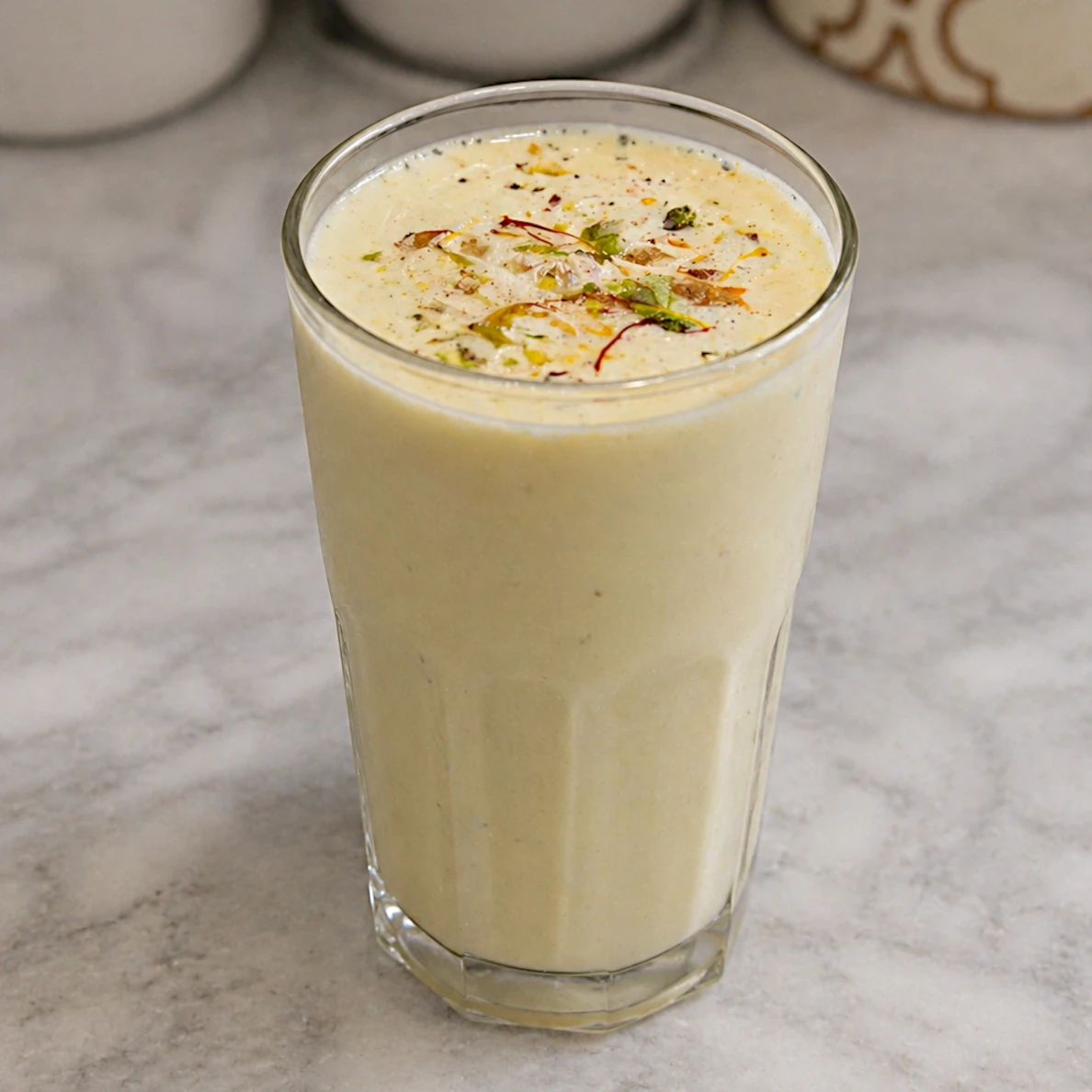
Ingredients for Thandai (with Metric Measurements)
All measurements are given in US cups and spoons with metric equivalents for international readers. Thandai paste recipe makes enough for 8 to 10 servings. Each serving uses 2 tablespoons of paste per glass of milk.
For the Thandai Paste
- Quarter cup (35g) raw almonds: Soaked in water for 4 to 6 hours or overnight, then peeled. Soaking and peeling makes them blend to a completely smooth paste and also makes them more easily digestible.
- 2 tablespoons raw cashews: Soaked alongside the almonds. Adds creaminess to the paste.
- 2 tablespoons white poppy seeds (khus khus): Soaked in water for 2 hours before grinding. Available at Indian grocery stores.
- 2 tablespoons watermelon seeds (magaz): Soaked for 2 hours. Substitute with extra almonds or melon seeds (cantaloupe seeds) if unavailable.
- 1.5 tablespoons fennel seeds: No soaking needed. Dry grinding works well for fennel.
- 1 tablespoon black peppercorns: Adds warmth and depth.
- 8 to 10 green cardamom pods, seeds only: Remove the seeds from the pods and discard the green shells. The seeds grind to a much more intensely aromatic powder than pre-packaged ground cardamom.
- Half teaspoon cinnamon powder: Or a small piece of cinnamon bark.
- 2 tablespoons dried rose petals (food-grade): Available at Indian grocery stores and online. Their floral fragrance is one of the signature notes of authentic thandai.
- Generous pinch of saffron (15 to 20 strands): Bloomed in 2 tablespoons of warm milk for 10 minutes before adding to the paste. Saffron adds color, fragrance, and a uniquely luxurious quality.
- Half cup (100g) sugar: Or adjust to taste. The paste is sweet at this concentrated stage as it will be diluted significantly when added to milk.
- 2 to 4 tablespoons cold milk or water: Added while grinding to help achieve a smooth, fine paste.
For Serving
- 2 cups (480ml) cold full-fat milk per 2 servings: Full-fat milk produces the richest, most indulgent result. For a dairy-free version, use full-fat coconut milk or almond milk.
- 2 tablespoons thandai paste per serving: Adjust to taste. More paste produces a more intensely flavored drink.
- Ice cubes
- Garnish: A few saffron strands bloomed in warm milk, dried rose petals, finely chopped or slivered pistachios, and a pinch of cardamom powder.
How to Make Thandai Step by Step
Step 1: Soak the Nuts and Seeds
The night before or at least 4 to 6 hours ahead, place the almonds, cashews, poppy seeds, and watermelon seeds in separate bowls and cover each with cold water. The almonds and cashews benefit from overnight soaking for the smoothest paste. The poppy seeds need a minimum of 2 hours. Soaking makes all of these ingredients blend to a completely smooth, silky paste without any grainy texture.
Step 2: Prepare the Soaked Ingredients
Drain all the soaked ingredients. Peel the almonds by squeezing each one between your fingers: the skin will slip off easily after soaking. Discard the skins and the soaking water.
Step 3: Bloom the Saffron
Add the saffron strands to 2 tablespoons of warm (not boiling) milk. Allow to sit for 10 minutes until the milk turns a deep golden color and smells intensely fragrant. Set aside.
Step 4: Grind the Thandai Paste
Add all the soaked drained nuts and seeds to a powerful blender: the peeled almonds, cashews, poppy seeds, and watermelon seeds. Add the fennel seeds, black peppercorns, cardamom seeds, cinnamon, and dried rose petals. Add the bloomed saffron with its milk. Add the sugar. Add 2 to 4 tablespoons of cold milk or water to help the blending process. Blend on high speed for 2 to 3 minutes, stopping to scrape down the sides, until a completely smooth, fine paste forms. The paste should be silky with no visible graininess. If it feels slightly gritty, add another tablespoon of milk and blend for another minute. Taste the paste and adjust sugar if needed.
Step 5: Store the Paste
Transfer the finished thandai paste to a clean glass jar. Seal tightly and refrigerate. The paste stores in the refrigerator for up to 2 weeks. The flavor actually deepens and improves over the first 2 days as the rose, saffron, and fennel aromas meld together.
Step 6: Assemble and Serve
For each serving, add 2 tablespoons of thandai paste to a tall glass. Add a small amount of cold milk (about a quarter cup) and stir vigorously until the paste is completely dissolved and smooth with no lumps. Top with more cold milk to fill the glass and stir again. Add ice cubes. Taste and add more paste if a stronger flavor is desired. Garnish with a few saffron strands, dried rose petals, slivered pistachios, and a pinch of cardamom powder on top. Serve immediately.
Pro Tips for the Best Thandai
- Soaking is not optional: Nuts and seeds that have not been soaked will not blend to a smooth paste regardless of how powerful your blender is. The soaking process softens the cell walls and releases oils, enabling a genuinely silky result. Overnight soaking for the almonds produces noticeably better results than a 4-hour soak.
- Peel the almonds thoroughly: Almond skins contain tannins that add a slightly astringent, bitter edge to the paste. Peeling ensures a purely sweet, mild almond flavor. The peeling process is quick after overnight soaking and makes a meaningful difference to the finished thandai.
- Use a high-powered blender: Thandai paste requires significant blending power to achieve the right silky texture. A Vitamix or similar high-powered blender is ideal. A standard blender works but may require longer blending and more scraping down. Do not attempt this in a food processor as the result will be too coarse.
- Dissolve the paste in a small amount of milk first: Adding thandai paste directly to a full glass of milk and stirring leads to stubborn lumps. Always dissolve the paste in a small amount (3 to 4 tablespoons) of milk first, mixing until completely smooth before topping up with more milk. This produces a uniformly mixed, lump-free drink every time.
- Chill the milk before use: Thandai should be served very cold. Using milk straight from the refrigerator and adding generous ice produces the most refreshing result. Avoid using milk at room temperature as it dilutes the cooling sensation of the drink.
- The garnish adds to the experience: Thandai is a festive, celebratory drink and the visual garnish is part of what makes it feel special. The saffron strands on top continue to release color as the drink is consumed. The rose petals add fragrance. The pistachios add color and crunch. Do not skip the garnish for a serving occasion.
Variations of Thandai
Rose Thandai
Add 1 tablespoon of rose water or rose syrup to the thandai paste during grinding. This creates a more intensely floral, pink-tinted thandai that is beautiful and fragrant. Rose water is available at Indian and Middle Eastern grocery stores and at many regular supermarkets in the baking section.
Vegan Thandai
Replace the dairy milk with full-fat coconut milk for the richest vegan version, or use oat milk or almond milk for a lighter result. The thandai paste itself contains no dairy. Coconut milk thandai has a gentle coconut undertone that complements the floral, nutty paste beautifully.
Thandai Kulfi
Mix 3 tablespoons of thandai paste into 2 cups of full-fat milk with 2 tablespoons of condensed milk. Pour into kulfi molds or ice cube trays with stick holders and freeze overnight. The result is a fragrant, spiced thandai ice cream that is one of the most memorable frozen desserts in Indian cooking.
Thandai Shrikhand
Stir 2 tablespoons of thandai paste into 1 cup of thick strained yogurt (hung curd or labneh) along with 2 tablespoons of sugar. Mix well and refrigerate for 2 hours. Serve as a thandai-flavored shrikhand dessert, garnished with pistachios and rose petals.
What to Serve with Thandai
- Gulab Jamun: The classic Indian festival sweet alongside thandai is one of the most celebratory combinations in the entire Indian dessert repertoire.
- Kaju Katli: The delicate cashew fudge alongside fragrant thandai is a Holi tradition in many North Indian families.
- Rasmalai: Serving thandai and rasmalai together creates a complete Indian milk-based celebration spread.
- Samosa: During Holi, thandai is served alongside an array of fried snacks, and samosa is always among the most popular.
- Jalebi: The crispy, syrup-soaked jalebi with cold thandai is a textural and flavor contrast that works brilliantly as a festive pairing.
- Besan Ladoo: Traditional Indian sweets and thandai together are the heart of North Indian festival hospitality.
- Milk Barfi: Mild, creamy milk sweets pair beautifully with the complex, spiced thandai drink.
Storage Instructions
Thandai Paste
Refrigerator: Store in a sealed glass jar for up to 2 weeks. The flavor improves significantly over the first 48 hours as the spices meld together. Stir before each use as the paste will settle.
Freezer: Freeze in an ice cube tray and transfer frozen cubes to a zip-lock bag for up to 3 months. Thaw one or two cubes in the refrigerator overnight or in a small bowl at room temperature for 20 minutes before use.
Prepared Thandai
Once mixed with milk, thandai is best consumed immediately. It can be stored in the refrigerator for up to 4 hours but the ice will melt and the drink will be less cold. The paste method is strongly preferred for serving fresh glasses on demand.
Nutrition and Health Benefits
One serving of Thandai made with 2 tablespoons of paste in full-fat milk contains approximately:
- Calories: 280 kcal
- Protein: 9g (from nuts, seeds, and milk)
- Carbohydrates: 30g (from sugar and milk lactose)
- Fat: 14g (from nuts, seeds, and whole milk)
- Calcium: 280mg (28% of daily value)
- Magnesium: Significant contribution from almonds and poppy seeds
Thandai is a nutritionally rich drink by any measure. The combination of almonds, cashews, poppy seeds, and watermelon seeds provides healthy unsaturated fats, plant-based protein, magnesium, and zinc. Fennel seeds are rich in antioxidants and have documented digestive benefits. Rose petals contain vitamin C and flavonoids. Cardamom is one of the most antioxidant-rich spices by weight. Saffron has been studied for its potential mood-supporting properties and contains safranal and crocin, compounds with antioxidant activity. Collectively, thandai is a drink where every ingredient earns its place both for flavor and for genuine nutritional benefit.
Frequently Asked Questions
Most of the unique ingredients for thandai are available at grocery stores, which exist in most major cities. Poppy seeds, watermelon seeds (magaz), food-grade dried rose petals, and saffron are all standard Indian grocery store items. Many of these ingredients are also available on Amazon from Indian food retailers like Laxmi, Deep, and 24 Mantra. Saffron is also widely available at Trader Joe’s, Whole Foods, and most Mediterranean or Middle Eastern grocery stores at very reasonable prices.
Yes, but the result will be less creamy and slightly less authentic. Poppy seeds contribute to the smooth, rich texture of the paste in a specific way. The closest substitute is an equal quantity of extra soaked almonds combined with a tablespoon of raw sesame seeds. The flavor will be different but the drink will still be very good.
Properly stored thandai paste keeps in the refrigerator for up to 2 weeks. The sugar content and low moisture of the paste act as preservatives. Always use a clean, dry spoon to take paste from the jar to avoid introducing moisture that could encourage spoilage. Frozen thandai paste cubes keep for up to 3 months.
In certain traditional contexts, particularly during Mahashivratri celebrations in Varanasi and parts of Rajasthan and Uttar Pradesh, thandai is prepared in a specific ceremonial form that includes bhang (cannabis). This traditional preparation is legal in specific regulated contexts during religious festivals in India. The recipe on this page is the standard non-bhang version, which is the version enjoyed by the vast majority of people in India and in diaspora communities worldwide during Holi celebrations and as an everyday summer drink.
Yes. Several Indian brands including Havemore and Rajbhog sell thandai powder and syrup that can be used as a shortcut. These are decent products and produce a reasonable thandai quickly. However, homemade thandai paste made with fresh, properly soaked ingredients has a freshness and complexity that commercial products cannot fully replicate. If you have the time, homemade is strongly preferred. If convenience is needed, the commercial options are a perfectly reasonable substitute for everyday use.