Kokum Sharbat Recipe (Indian Kokum Drink)
If you have ever visited Goa, Mumbai, or the Konkan coast of India during summer, you will have encountered kokum sharbat, a startlingly deep ruby-red drink that is poured over ice, diluted with cold water, and served with a sprinkle of spices.
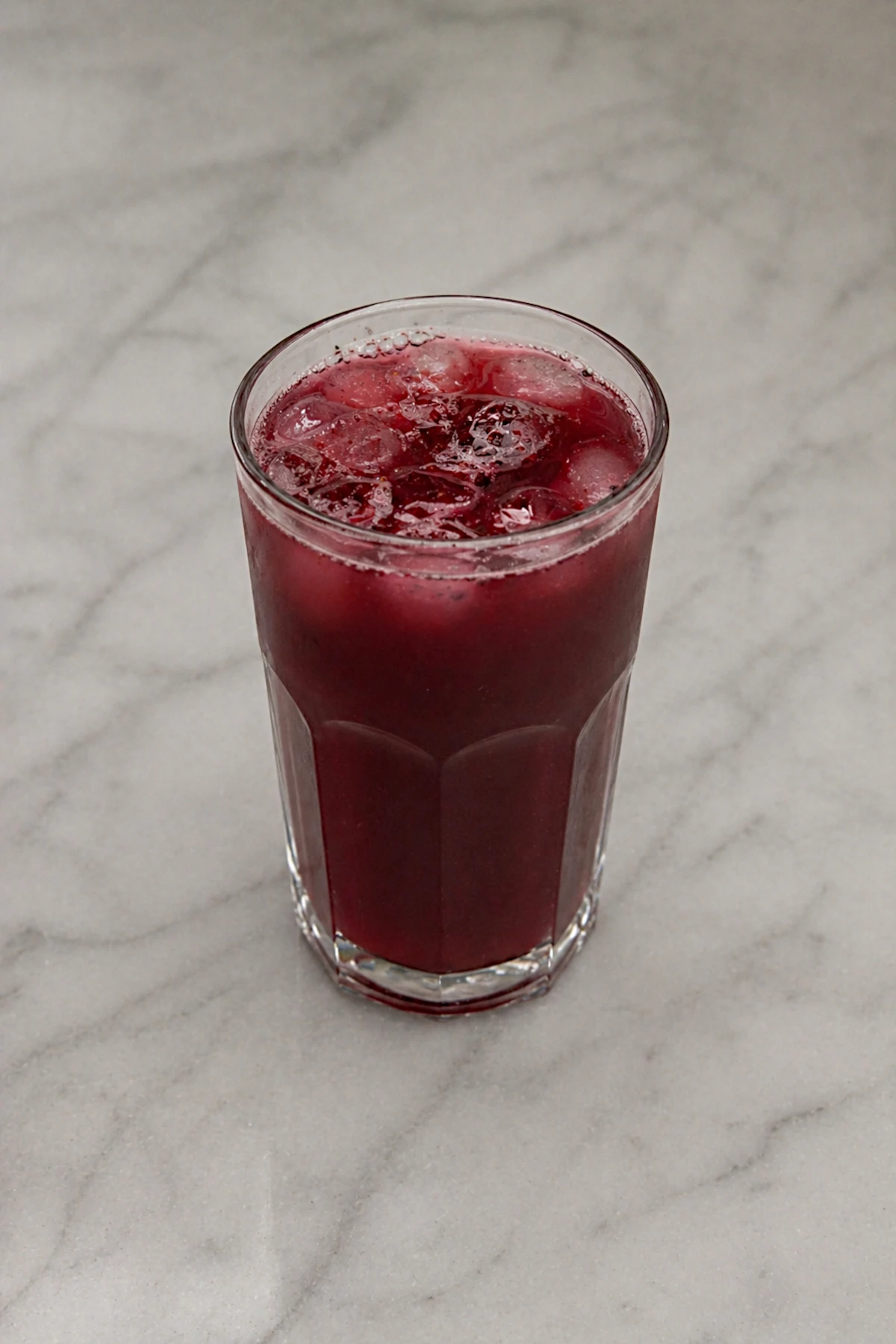
It is refreshing in a way that is difficult to describe until you have tasted it: simultaneously sweet, deeply sour, and mildly salty with a lingering cooling sensation on the palate that feels genuinely different from lemon or tamarind-based drinks. It is made from kokum, a small purple fruit native to the Western Ghats of India, and it is one of the most unique and underappreciated beverages in the entire canon of Indian cooking.
Kokum is known by many names: Garcinia indica is its botanical name, and it is called Amsol in Marathi, Punarpuli in Kannada, and Kudampuli in some parts of Kerala. The dried rind of the kokum fruit is the part used in cooking and drink-making. It has an intensely concentrated sourness that is distinctly different from tamarind and a beautiful deep purple-red color that needs no artificial coloring. In Goan and Maharashtrian cuisine, kokum appears in fish curries, sol kadhi (a pink coconut-kokum drink), and most famously as kokum sharbat, the coastal equivalent of lemonade.
At Healthy Indian Recipes, we are particularly enthusiastic about kokum because it is a genuinely healthy ingredient with a documented Ayurvedic history of use as a digestive aid and natural coolant, and because it represents a flavor that most people outside coastal India have simply never encountered. This recipe brings something genuinely new and exciting to the drinks repertoire of anyone who makes it. Serve it chilled alongside samosas, bread pakora, or as a standalone summer drink on a hot afternoon.
Why You Will Love This Kokum Sharbat Recipe
- A completely unique flavor experience: Kokum has a flavor profile unlike any other souring agent used in Indian cooking. It is tart, fruity, slightly floral, and deeply cooling in a way that feels almost medicinal in the best sense of the word.
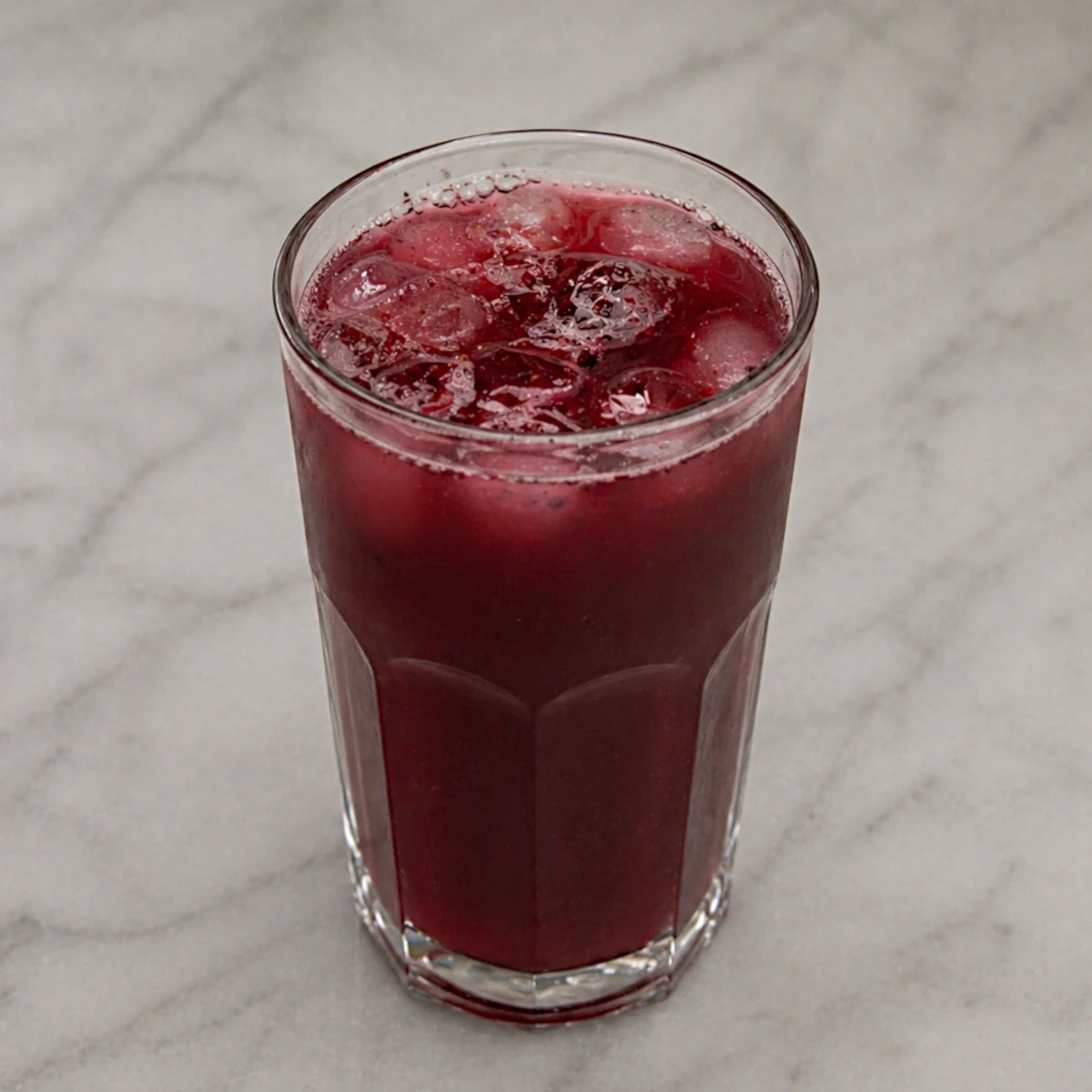
- Extraordinarily beautiful color: The deep ruby-red of kokum sharbat is entirely natural with no food coloring required. It is one of the most visually striking drinks in Indian cuisine and makes a lasting impression when served to guests.
- Genuinely cooling for summer: Beyond the simple refreshment of a cold drink, kokum has traditional cooling properties in Ayurvedic medicine that are associated with reducing body heat during hot weather.
- Naturally vegan and gluten-free: No modifications needed.
- Make-ahead friendly: The kokum concentrate can be prepared in advance and stored for weeks, making it easy to serve fresh chilled sharbat in minutes on any given day.
- Low in calories: Compared to commercial sodas and fruit drinks, kokum sharbat made with moderate sugar is a far lighter and more natural beverage choice.
What is Kokum and Where to Find It
Kokum is a small fruit that grows in the tropical forests along India’s western coast, particularly in Goa, Konkan, and parts of Karnataka and Kerala. The fresh fruit is round, dark purple, and about the size of a small plum. In Indian cooking and drink-making, the dried rind of the fruit is used, which comes in two main forms:
- Dried kokum rinds: These are flat, dark purple-black pieces of dried kokum skin that are the most common form available. They are soaked in water to extract their color and flavor. This is the form called for in this recipe.
- Kokum syrup or agal: A concentrated, pre-made kokum syrup that is simply diluted with water. This is the most convenient form and is popular in Goa and Maharashtra, where it is sold commercially. If you find this, use it directly by diluting according to the package instructions.
- Kokum powder: Dried and ground kokum, less common but available.
Kokum is available in most grocery stores:
- Indian grocery stores: Most Indian grocery stores stock dried kokum in the spices and dry goods section, usually near the tamarind. Look for it labeled as kokum, amsol, or Garcinia indica.
- Online (Amazon, Indian grocery delivery sites): Kokum is readily available from multiple Indian food retailers on Amazon. Brands like Laxmi, Deep, and 24 Mantra stock dried kokum and sometimes kokum syrup.
- Specialty food stores: Some specialty or international food stores in cities with significant South Asian communities stock kokum.
If kokum is completely unavailable in your area, the closest substitute for sharbat is a combination of tamarind extract and hibiscus tea (brewed from dried hibiscus flowers, available at any Latin or Middle Eastern grocery store), which replicates the sour-fruity quality and the deep red color reasonably well, though the flavor is different.
Ingredients for Kokum Sharbat (with Metric Measurements)
All measurements are given in US cups and spoons with metric equivalents for international readers. Recipe makes approximately 4 servings.
For the Kokum Concentrate
- Half cup (50g) dried kokum rinds: About 15 to 20 pieces of dried kokum. Rinse briefly under cold water before soaking.
- 2 cups (480ml) warm water: For soaking and extracting the kokum.
- Three-quarter cup (150g) sugar: Adjust to taste. The sharbat concentrate should be quite sweet at this stage as it will be diluted significantly. Reduce to half a cup for a less sweet version or substitute with jaggery for a more traditional, slightly molasses-flavored sweetness.
- Half teaspoon salt: A key ingredient in kokum sharbat. The combination of sour, sweet, and salty is characteristic of this drink and the salt rounds the flavor beautifully.
- Half teaspoon roasted cumin powder: Dry-roast cumin seeds in a pan for 2 minutes until fragrant, then grind. The smoky, nutty quality of roasted cumin is a signature spice note in kokum sharbat and is important to the complete flavor.
- Quarter teaspoon black salt (kala namak): Optional but highly recommended. Black salt has a distinctive sulfurous, mineral flavor that is very characteristic of Indian sharbats and chaats. Available at Indian grocery stores and on Amazon. If unavailable, substitute with regular salt and a tiny pinch of extra cumin.
- Quarter teaspoon ginger powder or half inch fresh ginger, grated: Adds a gentle heat and digestive benefit.
- Quarter teaspoon chaat masala: Optional. Adds the complex sour-tangy spice note that lifts the drink. Available at Indian grocery stores.
For Serving
- Cold water: For diluting the concentrate. Use 3 to 4 parts water to 1 part concentrate, adjusting to taste.
- Ice cubes
- Fresh mint leaves: For garnish.
- Lemon or lime slice: Optional garnish that also adds brightness.
- Pinch of roasted cumin powder: Sprinkled on top of each glass just before serving.
How to Make Kokum Sharbat Step by Step
Step 1: Soak the Kokum
Rinse the dried kokum pieces briefly under cold water. Place them in a bowl and pour 2 cups of warm (not boiling) water over them. Allow the kokum to soak for a minimum of 30 minutes and ideally 1 to 2 hours. As the kokum soaks, it will release a beautiful, deep purple-red color into the water and begin to soften. The soaking liquid will smell fruity, tangy, and slightly floral. For an even more concentrated extract, you can soak the kokum overnight in the refrigerator.
Step 2: Extract the Kokum Juice
After soaking, use your hands to squeeze each piece of kokum firmly in the soaking water, pressing out as much of the deeply colored liquid as possible. Then strain the entire mixture through a fine mesh sieve into a saucepan, pressing on the kokum pieces with the back of a spoon to extract maximum flavor and color. Discard the spent kokum pieces after extraction.
Step 3: Make the Concentrate
Place the saucepan with the strained kokum liquid over medium heat. Add the sugar and stir until completely dissolved. Bring to a gentle simmer and cook for 5 to 8 minutes until the liquid reduces slightly and thickens to a light syrup consistency. It should coat a spoon lightly. The color will deepen to a richer, darker ruby during this cooking process. Remove from heat. Add the salt, black salt, roasted cumin powder, ginger powder, and chaat masala if using. Stir well to combine. Taste the concentrate: it should be intensely sour, sweet, salty, and deeply flavored. Allow to cool completely.
Step 4: Store the Concentrate
Transfer the cooled kokum concentrate to a clean glass jar or bottle. Seal and refrigerate. The concentrate keeps beautifully in the refrigerator for up to 3 weeks. This make-ahead step is the most practical way to enjoy kokum sharbat regularly: make the concentrate once and serve fresh drinks in under a minute on any given day.
Step 5: Serve the Sharbat
To serve, fill a tall glass with ice cubes. Add 3 to 4 tablespoons of kokum concentrate (approximately one-quarter cup). Top with cold water, about 3 quarters of a cup, and stir well. Taste and adjust by adding more concentrate for a stronger flavor or more water to dilute. Garnish with fresh mint leaves, a slice of lemon or lime, and a pinch of roasted cumin powder on the surface. Serve immediately.
Pro Tips for the Best Kokum Sharbat
- Longer soaking extracts more flavor and color: The difference between a 30-minute soak and a 2-hour soak is significant. For the deepest color and most complex flavor, soak the kokum for as long as possible, up to overnight in the refrigerator.
- Black salt is worth sourcing: The sulfurous, mineral character of kala namak (black salt) is a defining note in authentic kokum sharbat and in Indian sharbats generally. It adds a savory depth that table salt alone cannot replicate. Black salt is widely available at Indian grocery stores for a very small cost.
- Roast your own cumin powder: Pre-packaged ground cumin has a dusty, muted flavor compared to freshly roasted and ground cumin seeds. For a drink where the spice notes are prominent, this upgrade makes a noticeable difference. Dry-roast a tablespoon of cumin seeds in a small pan over medium heat for 90 seconds until they darken slightly and smell smoky, then grind to a powder in a small grinder.
- Adjust sweetness in the concentrate stage: The final sweetness of the drink is determined both by the concentrate and by how much water you use to dilute it. Making the concentrate slightly sweeter than seems necessary is correct because dilution will reduce the sweetness significantly. Taste the diluted drink before serving and adjust from there.
- Serve in clear glasses: The extraordinary ruby-red color of kokum sharbat deserves to be displayed in a clear glass. This is one of those drinks where presentation is half the experience.
- Add soda water for a sparkling version: Replace the cold still water with chilled sparkling water or club soda for a kokum soda that has a pleasantly fizzy quality and feels even more refreshing. This is the modern cafe-style preparation of kokum sharbat that is popular in Mumbai.
Variations of Kokum Sharbat
Sol Kadhi (Kokum and Coconut Milk Drink)
Sol kadhi is the most famous Goan and Konkani kokum preparation. Blend kokum extract with thin coconut milk, salt, crushed garlic, and green chili. It is pink-purple in color, mildly spiced, and extraordinarily cooling. It is traditionally served as a digestive drink at the end of a Goan meal, or sometimes as a soup. This variation uses the same kokum concentrate from this recipe.
Kokum Soda (Sparkling Version)
Simply replace the still water with chilled sparkling water or club soda. The carbonation lifts the flavors and creates a sharbat that feels lighter and more refreshing. A squeeze of fresh lime over the top completes the effect perfectly.
Kokum Mint Cooler
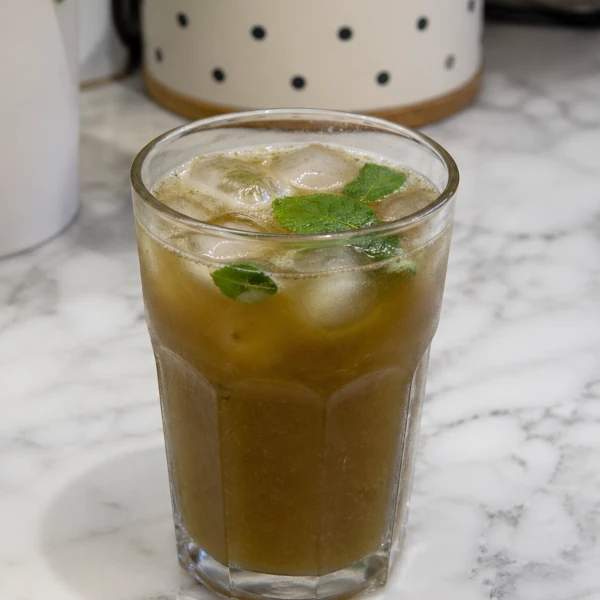
Blend a handful of fresh mint leaves with the cold water before combining with the kokum concentrate. Strain if desired for a clearer drink. The mint adds a cooling menthol note that amplifies the already refreshing quality of the kokum. This is particularly popular as a summer drink for outdoor entertaining.
Kokum Jeera Soda
A popular Mumbai street drink variation. Double the roasted cumin powder in the recipe and add a few drops of fresh lime juice along with the kokum concentrate. The combination of sour, smoky cumin, and fizzy soda water is extraordinarily invigorating on a hot day.
What to Serve with Kokum Sharbat
- Samosa: The classic Indian snack-time pairing. The rich fried pastry with spiced potato filling alongside cool, sour kokum sharbat is a combination that Mumbaikars and Goans know well.
- Bread Pakora: Another fried snack that pairs beautifully with the sharp cooling sourness of kokum sharbat as a palate cleanser between bites.
- Veg Momos: The dumpling’s subtle flavor is a nice pairing with the more assertive kokum drink alongside.
- Aloo Tikki: The spiced potato patties with tangy kokum sharbat make a complete Indian street food snack experience.
- Goan Fish Curry: Kokum is used in Goan fish curry, so serving kokum sharbat alongside a Goan meal is deeply authentic and regionally appropriate.
- Indian snack plates and chaat: Kokum sharbat is a natural companion to any Indian chaat spread, where its cooling sourness provides relief from the heat of the spiced snacks.
- Grilled meats and seafood: The acidity of kokum sharbat cuts through the richness of grilled meat in the same way that lemonade works in Western barbecue culture.
Storage Instructions
Kokum Concentrate
Refrigerator: Store in a clean, sealed glass jar for up to 3 weeks. The high sugar content and natural acidity of the kokum act as preservatives. Stir or shake before each use as some settling may occur.
Freezer: Pour the concentrate into ice cube trays and freeze for up to 3 months. Each cube equals approximately 1 tablespoon of concentrate. Drop 3 to 4 cubes directly into a glass and top with water for an instant, chilled kokum sharbat with no separate ice needed.
Prepared Sharbat
Once diluted with water, kokum sharbat is best consumed immediately. It can be stored in the refrigerator for up to 24 hours but the ice will melt and dilute it further over time. The concentrate method is strongly preferred for best quality.
Nutrition and Health Benefits
One serving of Kokum Sharbat (approximately 300ml, diluted) contains approximately:
- Calories: 80 to 100 kcal (depending on sugar quantity)
- Carbohydrates: 20 to 25g (primarily from sugar)
- Natural acids: Hydroxycitric acid (HCA) from kokum
- Antioxidants: Anthocyanins from the kokum fruit pigment
Kokum has a well-established place in Ayurvedic medicine as a cooling herb recommended for reducing pitta (heat energy) during summer months. The fruit contains hydroxycitric acid (HCA), the same compound found in Garcinia cambogia supplements that has been studied for its effects on appetite regulation and fat metabolism, though research on this in food quantities is ongoing. Kokum is also rich in anthocyanins, the same class of antioxidant pigments found in blueberries and red cabbage, which are associated with antioxidant and anti-inflammatory activity. The roasted cumin in the recipe supports digestive health, and black salt is known in Ayurvedic tradition as a digestive aid. Together, kokum sharbat is far more than just a refreshing drink: it is a cooling, digestive-supporting beverage with a genuinely interesting nutritional profile that sets it apart from commercial sodas and fruit drinks.
Frequently Asked Questions
Kokum has a flavor that is difficult to compare directly to any more familiar ingredient. It is intensely sour, with a fruity, slightly floral depth beneath the acidity that is reminiscent of tamarind but distinctly different, slightly more fruity and less earthy. The color it produces is a deep magenta-ruby that is entirely natural. In sharbat form with sugar, salt, and spices, the sourness is balanced into a complex, layered flavor that is simultaneously refreshing, sweet, tangy, and lightly salty.
No. Both are souring agents used in Indian cooking, but they are completely different ingredients with different flavors. Tamarind is from a legume tree and has a deep, earthy, molasses-like sourness. Kokum is from a fruit tree (related to mangosteen) and has a lighter, fruitier, more floral sourness. They are used in different regional cuisines: tamarind is more commonly used in Tamil Nadu, Andhra Pradesh, and Karnataka dishes, while kokum is specific to Goa, Konkan, and coastal Maharashtra and Kerala.
Yes. Kokum syrup (agal) is a pre-made concentrated version that simply needs to be diluted. Follow the package instructions for dilution ratio, then add salt, roasted cumin, and black salt to season it as described in this recipe. Kokum syrup is convenient but tends to be sweeter than homemade concentrate, so taste and adjust accordingly.
The depth of color depends on the quality and freshness of the dried kokum, the soaking time, and whether you cook the extract down to concentrate it. If the color is pale, try soaking for longer (overnight), use a larger quantity of kokum, and ensure you are cooking the extract down by at least one-third to concentrate the color. Old or poorly stored kokum produces less vibrant color and flavor.
Yes, kokum has a documented history in Ayurvedic medicine as a digestive aid. It is traditionally consumed after meals in Goa and coastal Maharashtra to support digestion and reduce bloating. The combination of kokum with roasted cumin and black salt in sharbat form creates a drink that is particularly supportive of digestive function, and this is one reason it has remained popular as a post-meal drink in its home region for centuries.