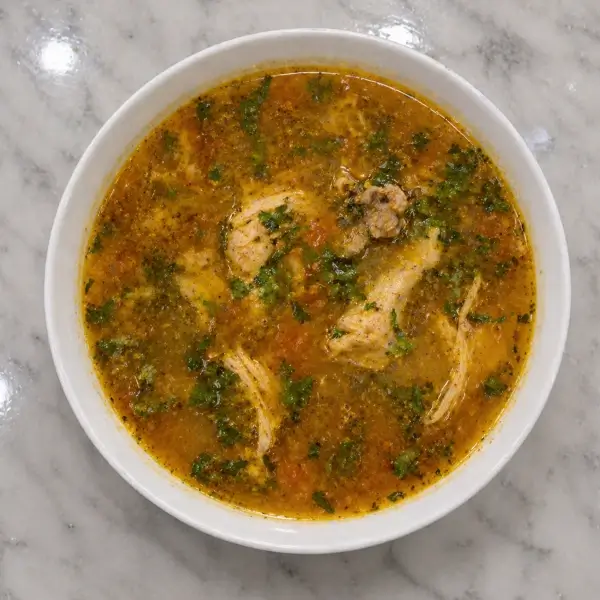
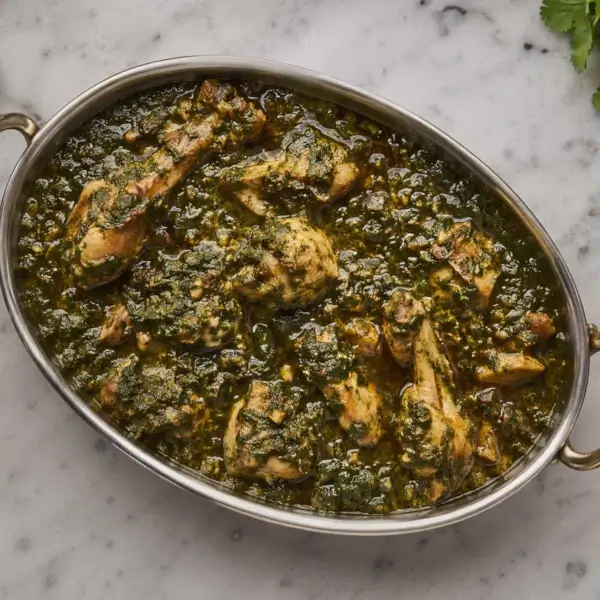
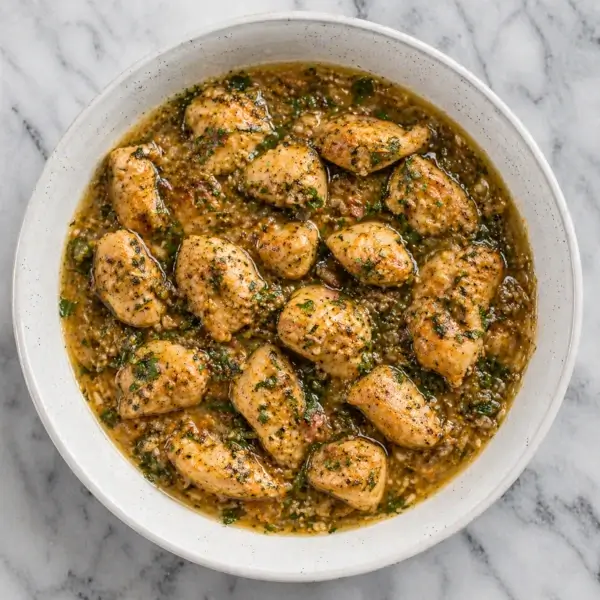
Indian Chicken Stew Recipe (Healthy & Easy One-Pot Meal)
When the weather turns cold or you are craving something warm, light, and deeply comforting, this Indian Chicken Stew is exactly what you need.
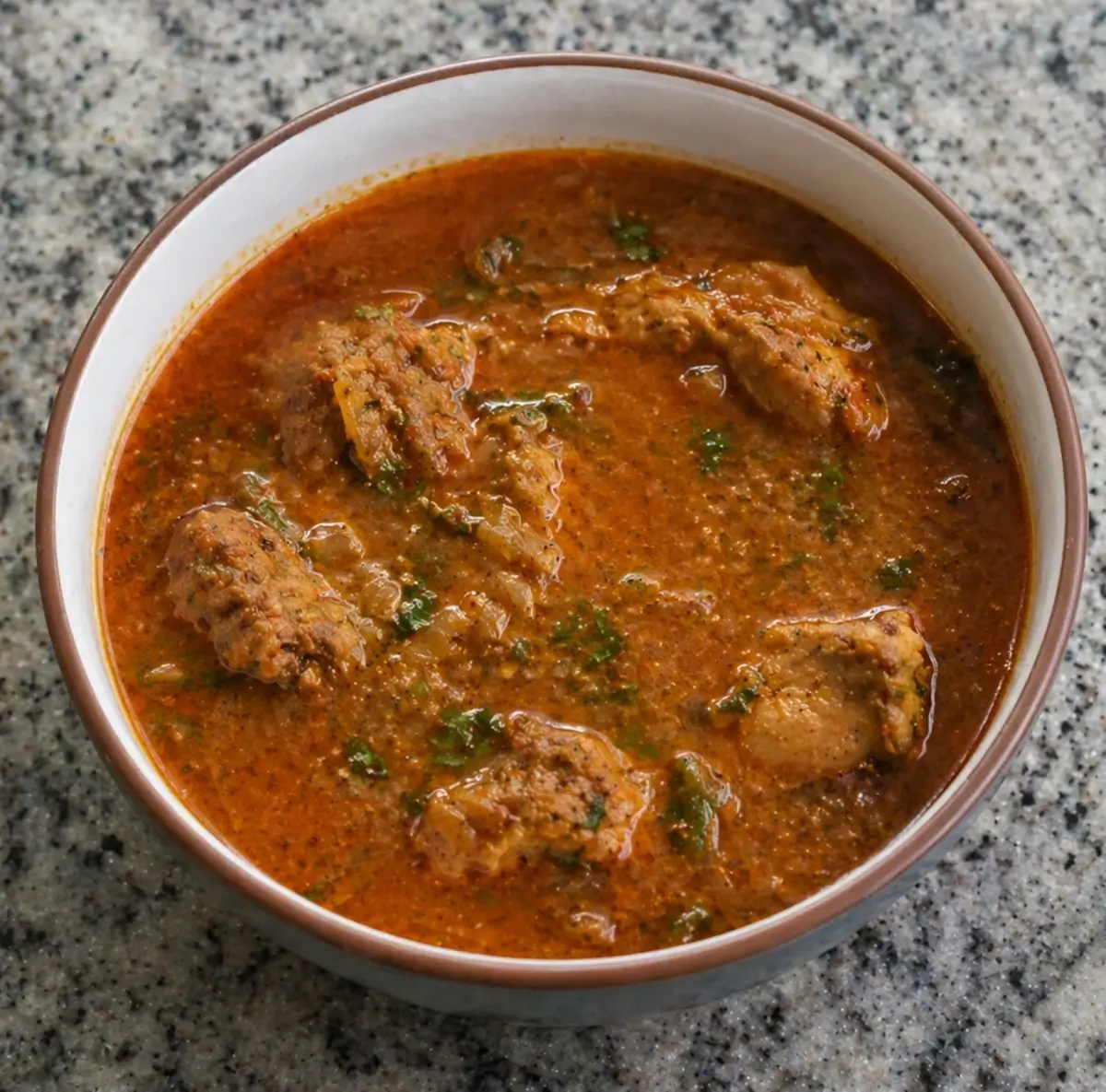
Unlike the thick, rich gravies of dishes like Butter Chicken or Chicken Tikka Masala, this stew is lighter, brothier, and packed with tender vegetables closer to a Western chicken stew but elevated with the warm, aromatic spices of Indian cooking.
This recipe is particularly popular in the Kerala region of South India, where coconut milk gives the stew its signature gentle creaminess. It is one of the most beloved comfort foods among the Indian diaspora in the USA, UK, and Canada and once you taste it, you will understand why. This is also one of the healthiest Indian chicken recipes you can make low in calories, high in protein, naturally gluten-free, and loaded with vegetables. Serve it with soft naan, idli, paratha, or just a bowl of steamed basmati rice for a complete, satisfying meal.
Why You Will Love This Indian Chicken Stew
- Light and healthy : broth-based with coconut milk, not heavy cream. Much lower in calories than most Indian chicken dishes.
- One-pot meal : minimal cleanup, maximum flavor
- Naturally gluten-free : great for those with dietary restrictions
- Loaded with vegetables : potatoes, carrots, and green peas make this a nutritionally complete meal
- Mild and family-friendly : gentle spicing makes it perfect for kids and those new to Indian food
- Ready in under 1 hour with simple, everyday ingredients
- Meal prep friendly : makes excellent leftovers and reheats beautifully
What is Indian Chicken Stew?
Indian Chicken Stew, known as Kozhi Stew in Kerala, is a gently spiced, coconut milk-based stew that reflects the unique culinary tradition of South India’s Kerala coast. Unlike the bold, intensely colored curries associated with North Indian cuisine, this stew is pale, delicate, and subtly spiced. It uses whole spices like cardamom, cloves, and cinnamon rather than ground spice blends, which gives it a fragrant, warming quality without being hot or spicy.
Kerala-style chicken stew is traditionally served for Sunday breakfast or brunch alongside appam, a lacy, bowl-shaped rice pancake. In the USA, it makes an incredibly satisfying dinner that the whole family will enjoy, especially during fall and winter months.
Ingredients for Indian Chicken Stew (with Substitutes)
For the Stew
- 1.5 lbs (700g) bone-in chicken pieces : drumsticks and thighs work best as they add more flavor to the broth. Boneless chicken thighs or breast also work for a quicker version. Cut into medium pieces.
- 2 medium potatoes, peeled and cubed (about 2 cups) : Yukon Gold or russet potatoes both work well
- 2 medium carrots, peeled and sliced into ½-inch rounds
- ½ cup green peas : fresh or frozen. Frozen peas from any US grocery store work perfectly.
- 1 large onion, thinly sliced
- 3–4 green chilies, slit lengthwise : jalapeños or serrano peppers work as substitutes. Use 1–2 for a mild version.
- 1 tablespoon fresh ginger, julienned or grated : do not substitute with powder here; fresh ginger is essential for the flavor profile
- 4–5 garlic cloves, minced
- 1 can (13.5 oz / 400ml) full-fat coconut milk : available at Walmart, Whole Foods, Trader Joe’s, and most regular grocery stores. Thai Kitchen and Native Forest are popular brands.
- 1 cup (240ml) chicken broth : store-bought low-sodium broth works perfectly
- 2 tablespoons coconut oil : or any neutral vegetable oil. Coconut oil is highly recommended for authentic Kerala flavor and is widely available in the USA.
- Salt to taste
- 1 tablespoon lemon juice : added at the end for brightness
Whole Spices (The Flavor Foundation)
- 4 green cardamom pods lightly crushed. Available in the spice aisle at most US grocery stores or on Amazon.
- 4 cloves
- 1-inch cinnamon stick
- 1 bay leaf
- ½ teaspoon black pepper, coarsely crushed
Ground Spices
- ½ teaspoon turmeric powder
- 1 teaspoon coriander powder
- ½ teaspoon black pepper powder
- ¼ teaspoon garam masala : just a small amount to finish
For the Tempering (Optional but Highly Recommended)
- 1 tablespoon coconut oil
- 1 sprig fresh curry leaves : about 10–12 leaves. These have a distinctive citrusy, aromatic flavor that is essential to South Indian cooking. Available at Indian grocery stores and sometimes at Asian grocery stores. If unavailable, skip, there is no perfect substitute.
- ½ teaspoon mustard seeds
- 2 dried red chilies
- 1 small onion, thinly sliced
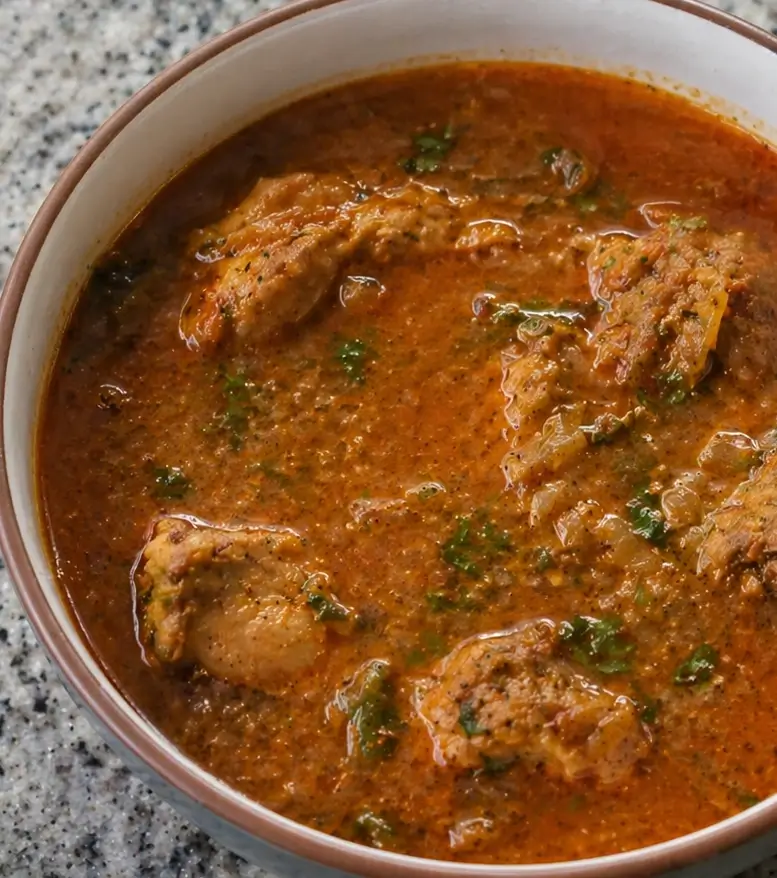
How to Make Indian Chicken Stew Step by Step
Step 1 : Sauté the Aromatics (8 minutes)
Heat 2 tablespoons of coconut oil in a large heavy-bottomed pot or Dutch oven over medium heat. A Dutch oven is ideal for this recipe and gives the best results. Add the whole spices — cardamom pods, cloves, cinnamon stick, and bay leaf. Stir for 30 seconds until they become fragrant and start to sizzle gently in the oil.
Add the thinly sliced onions and green chilies. Cook over medium heat for 6–8 minutes, stirring occasionally, until the onions become soft and translucent. Do not let them brown — this stew should have a light-colored, pale base, not a dark one.
Step 2 : Add Ginger, Garlic and Ground Spices (3 minutes)
Add the minced garlic and julienned ginger to the softened onions. Cook for 2 minutes, stirring constantly, until fragrant. Add the turmeric powder, coriander powder, and black pepper powder. Stir well and cook for another minute to bloom the spices in the oil.
Step 3 : Add Chicken and Vegetables (5 minutes)
Add the chicken pieces to the pot and stir well to coat them with the spice mixture. Cook over medium-high heat for 3–4 minutes, turning the pieces occasionally, until the chicken is lightly sealed on the outside. You are not trying to brown the chicken deeply here — just seal the surface to keep the moisture in.
Add the cubed potatoes and sliced carrots. Stir to combine everything.
Step 4 : Add Liquids and Simmer (20–25 minutes)
Pour in the chicken broth and add salt to taste. Stir well, making sure nothing is stuck to the bottom of the pot. Bring the liquid to a boil over high heat, then reduce the heat to medium-low, cover the pot with a lid, and simmer for 15 minutes until the potatoes and carrots are nearly tender when pierced with a fork.
Add the frozen or fresh green peas. Pour in the coconut milk and stir gently. Do not boil the stew vigorously after adding coconut milk as it can cause the coconut milk to separate. Simmer on low heat uncovered for another 8–10 minutes until the chicken is fully cooked (internal temperature 165°F / 74°C), the vegetables are tender, and the stew has thickened slightly.
Step 5 : Prepare the Tempering (3 minutes)
While the stew finishes simmering, prepare the tempering in a small pan. Heat 1 tablespoon of coconut oil over medium-high heat. Add mustard seeds and wait for them to pop. Add the dried red chilies and curry leaves — they will splutter in the oil, so be careful. Add the sliced onion and fry for 2–3 minutes until lightly golden. Pour this entire tempering over the stew and stir in gently.
This tempering step is optional but adds a beautiful aromatic finishing layer that is characteristic of South Indian cooking. Do not skip it if you can help it.
Step 6 : Finish and Serve
Add the lemon juice and a pinch of garam masala to the stew. Taste and adjust salt and pepper. Remove the whole spices (cardamom pods, cinnamon stick, bay leaf, cloves) before serving if preferred, or leave them in for guests to set aside on their plate. Garnish with fresh cilantro and serve hot.
Pro Tips for the Best Indian Chicken Stew
- Use bone-in chicken for maximum flavor : bones release collagen into the broth as they cook, creating a richer, more flavorful stew. If you use boneless chicken, reduce the simmering time to avoid drying it out.
- Do not skip the whole spices : cardamom, cloves, and cinnamon are what give this stew its distinctive Indian character. Do not substitute with ground versions as the flavor will be completely different.
- Keep the heat low after adding coconut milk : high heat causes coconut milk to curdle and separate. Low and slow is the rule after adding coconut milk.
- Cut vegetables uniformly : cut potatoes and carrots to similar sizes so they cook evenly.
- Use full-fat coconut milk : light coconut milk will result in a watery stew without the characteristic creamy richness. Full-fat is essential.
- Adjust consistency with broth : if the stew is too thick, add a little more chicken broth. If too thin, simmer uncovered for a few extra minutes.
Variations to Try
- Kerala Style (most authentic) : use coconut oil, curry leaves, and serve with appam or idiyappam (string hoppers)
- Anglo-Indian Style : add 1 tablespoon of tomato paste and replace coconut milk with heavy cream for a richer, more European-influenced version
- Vegetarian Indian Stew : replace chicken with mixed vegetables like sweet potato, green beans, cauliflower, and chickpeas. Use vegetable broth instead of chicken broth.
- Instant Pot Version : use the sauté function for steps 1–3, then pressure cook on high for 12 minutes with a natural release. Add coconut milk after pressure cooking on sauté mode and simmer for 5 minutes.
- Slow Cooker Version : complete steps 1–3 on the stovetop, transfer to slow cooker, cook on low for 5–6 hours. Add coconut milk in the last 30 minutes.
What to Serve with Indian Chicken Stew
Indian Chicken Stew is wonderfully versatile and pairs beautifully with many different accompaniments:
- Naan : tear and dip into the coconut broth
- Idli : the traditional South Indian pairing, soft steamed rice cakes absorb the stew beautifully
- Paratha : flaky flatbread that soaks up the coconut gravy
- Dosa : crispy rice crepe is another classic South Indian pairing
- Jeera Rice : simple cumin rice works beautifully as a base
- Crusty bread : perfect for Western diners who want to enjoy this stew the way they would a European chicken stew
- Cucumber Salad : a fresh, cooling side that complements the warm spices
Storage and Reheating Instructions
How to Store
Refrigerator: Cool completely and store in an airtight container for up to 4 days. The stew thickens as it cools, this is normal due to the starch from the potatoes. Add a splash of broth or water when reheating.
Freezer: This stew freezes well for up to 3 months. Note that potatoes can become slightly grainy in texture after freezing. If you plan to freeze, consider leaving out the potatoes and adding freshly cooked potatoes when reheating. Store in individual portion containers for easy weeknight meals.
How to Reheat
- Stovetop (best method): Reheat in a pot over medium-low heat, adding a splash of coconut milk or chicken broth to restore the consistency. Stir gently and heat until warmed through.
- Microwave: Heat in 90-second intervals, stirring between each, until heated through. Cover loosely to prevent splatter.
- From frozen: Thaw overnight in the refrigerator then reheat on the stovetop.
Nutrition and Health Benefits
One serving of this Indian Chicken Stew (recipe serves 4) contains approximately:
- Calories: 320 kcal
- Protein: 32g
- Carbohydrates: 18g
- Fat: 14g
- Fiber: 4g
- Sodium: 480mg
This is one of the healthiest Indian chicken recipes you can make. At only 320 calories per serving with 32g of protein, it is an excellent option for anyone focused on weight management or high-protein eating. The coconut milk provides medium-chain triglycerides (MCTs) which are easily metabolized by the body. The combination of vegetables potatoes, carrots, and peas, adds a significant amount of fiber, vitamins A and C, and potassium. The whole spices used in this recipe, particularly ginger, cardamom, and black pepper, have well-documented anti-inflammatory and digestive benefits.
Frequently Asked Questions
No, this is one of the mildest Indian chicken recipes. The heat comes primarily from green chilies which you can reduce or eliminate entirely for a completely non-spicy version. The whole spices give warmth and fragrance without heat. This makes it perfect for children, spice-sensitive adults, and those new to Indian cooking.
Yes. Boneless skinless chicken breast works well but be careful not to overcook it as breast meat dries out quickly. Add boneless chicken breast in step 3 and reduce the simmering time in step 4 to 12–15 minutes total. Check that it reaches 165°F / 74°C internally.
The main differences are consistency and spice intensity. Indian chicken curry typically has a thick, concentrated gravy with more ground spices and a bolder flavor. Indian chicken stew has a lighter, brothier consistency with whole spices and coconut milk, resulting in a gentler, more delicate flavor. Curries are also usually served with rice or bread as the starch is separate, stew already contains vegetables and can be a complete one-pot meal.
Yes. Replace coconut milk with 1 cup of heavy cream for a richer, non-coconut version. Or use an extra cup of chicken broth for a completely dairy-free, lower-calorie broth-based stew. The texture and flavor will be different but still delicious.
Absolutely. This stew is very flexible. Other vegetables that work well include green beans, sweet potato, zucchini, baby corn, mushrooms, and spinach (add spinach in the last 2 minutes). Avoid vegetables that turn mushy quickly like eggplant or very soft squash unless you add them towards the end.
This is one of the best Indian recipes for weekly meal prep. Make a large batch on Sunday, divide into individual airtight containers, and refrigerate for up to 4 days. The flavor improves significantly overnight. Pair with pre-cooked rice or naan for quick weekday lunches or dinners.